
Intel Launches Bartlett Lake and Panther Lake for Edge With Up to 12 P Cores and 5.9 GHz
Intel has officially expanded its edge portfolio with 2 new CPU families: Intel Core Series 2 processors with P cores, which are the Bartlett Lake parts for industrial and embedded desktop class deployments, and Intel Core Ultra Series 3, the Panther Lake family that Intel is also positioning for edge AI workloads. Intel announced the Bartlett Lake edge lineup on March 9, 2026, and tied it directly to mission critical edge use cases, while reiterating that Core Ultra Series 3 had already launched at CES 2026 and is now part of the same broader edge stack.
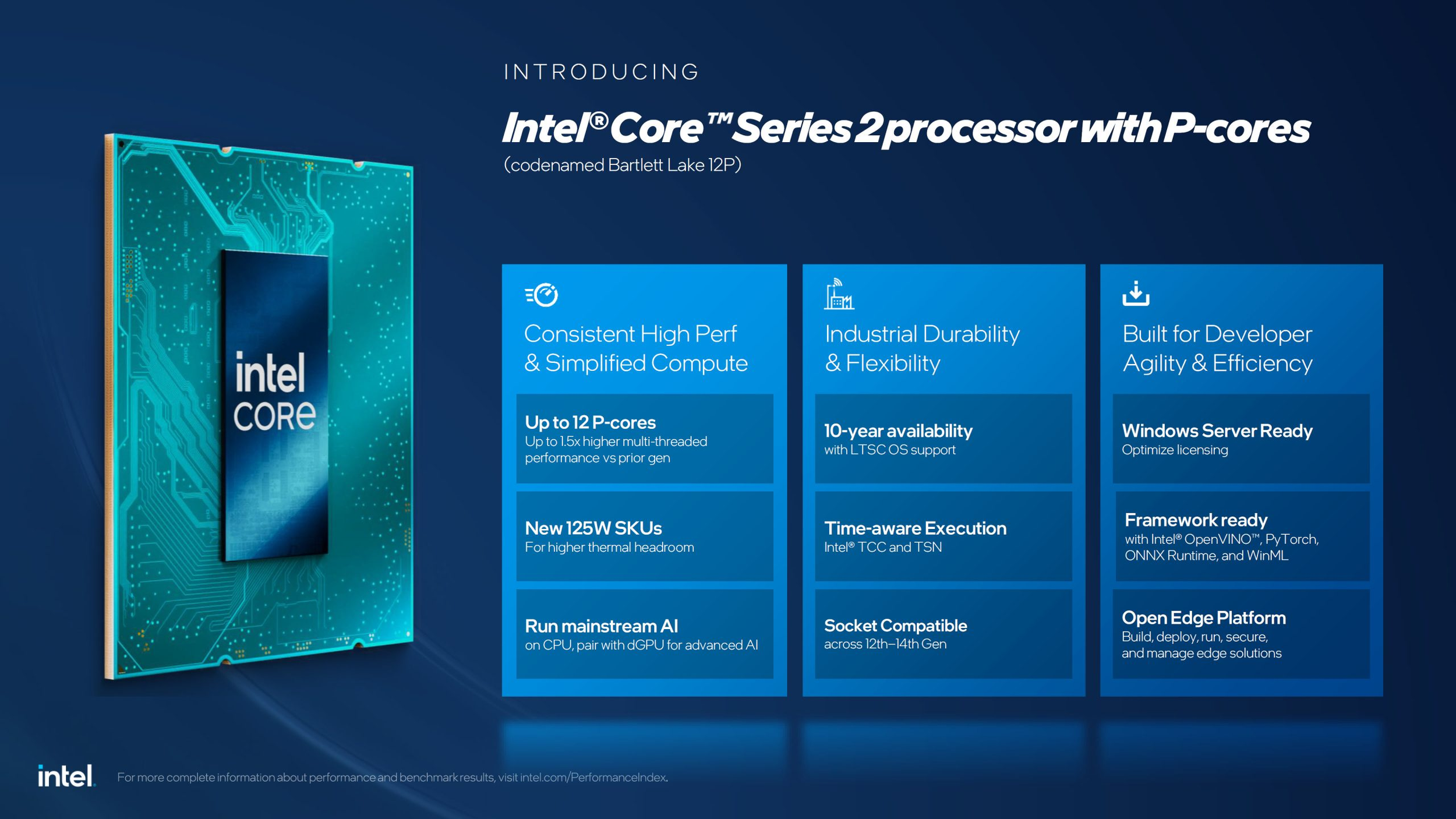
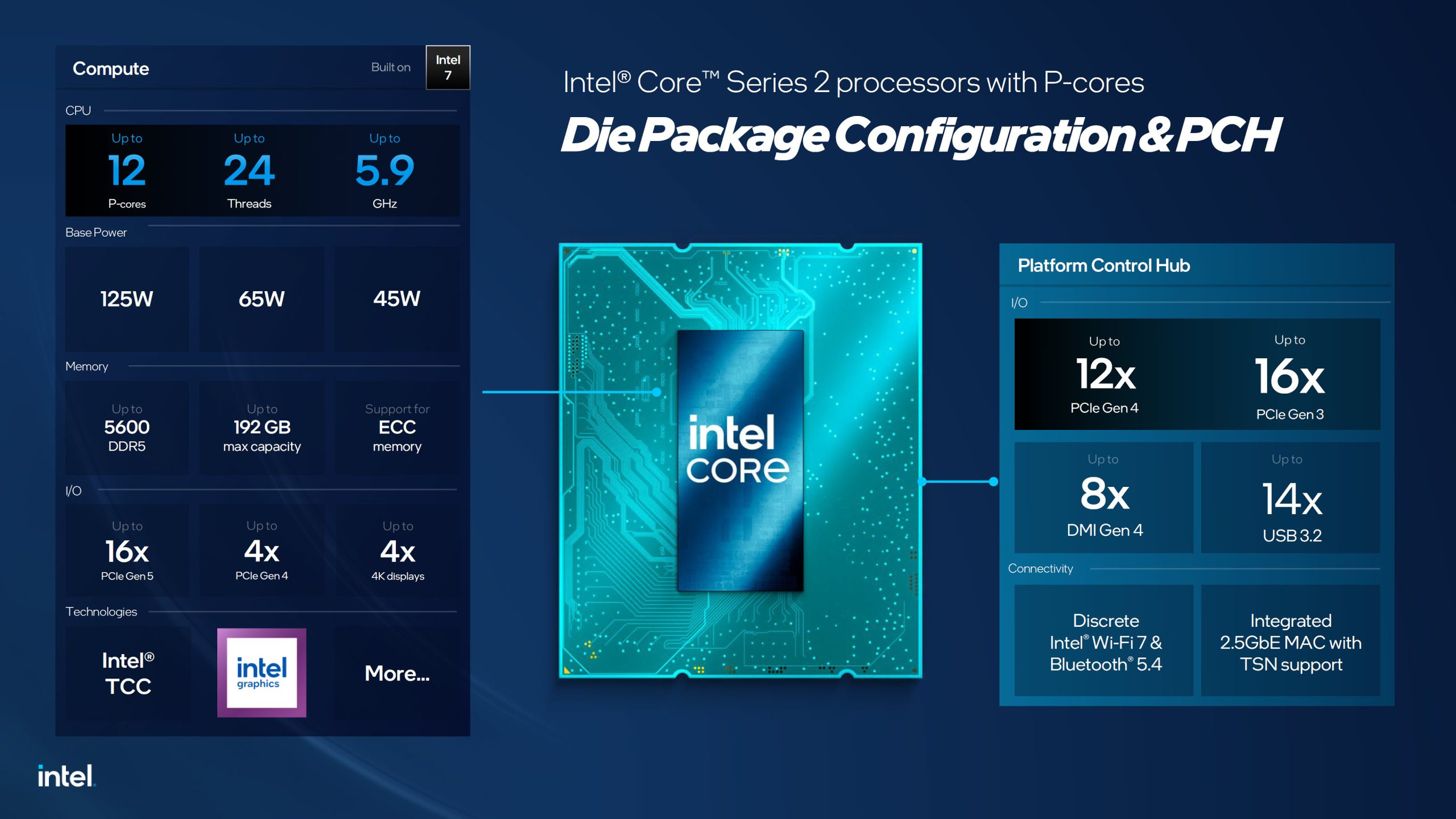
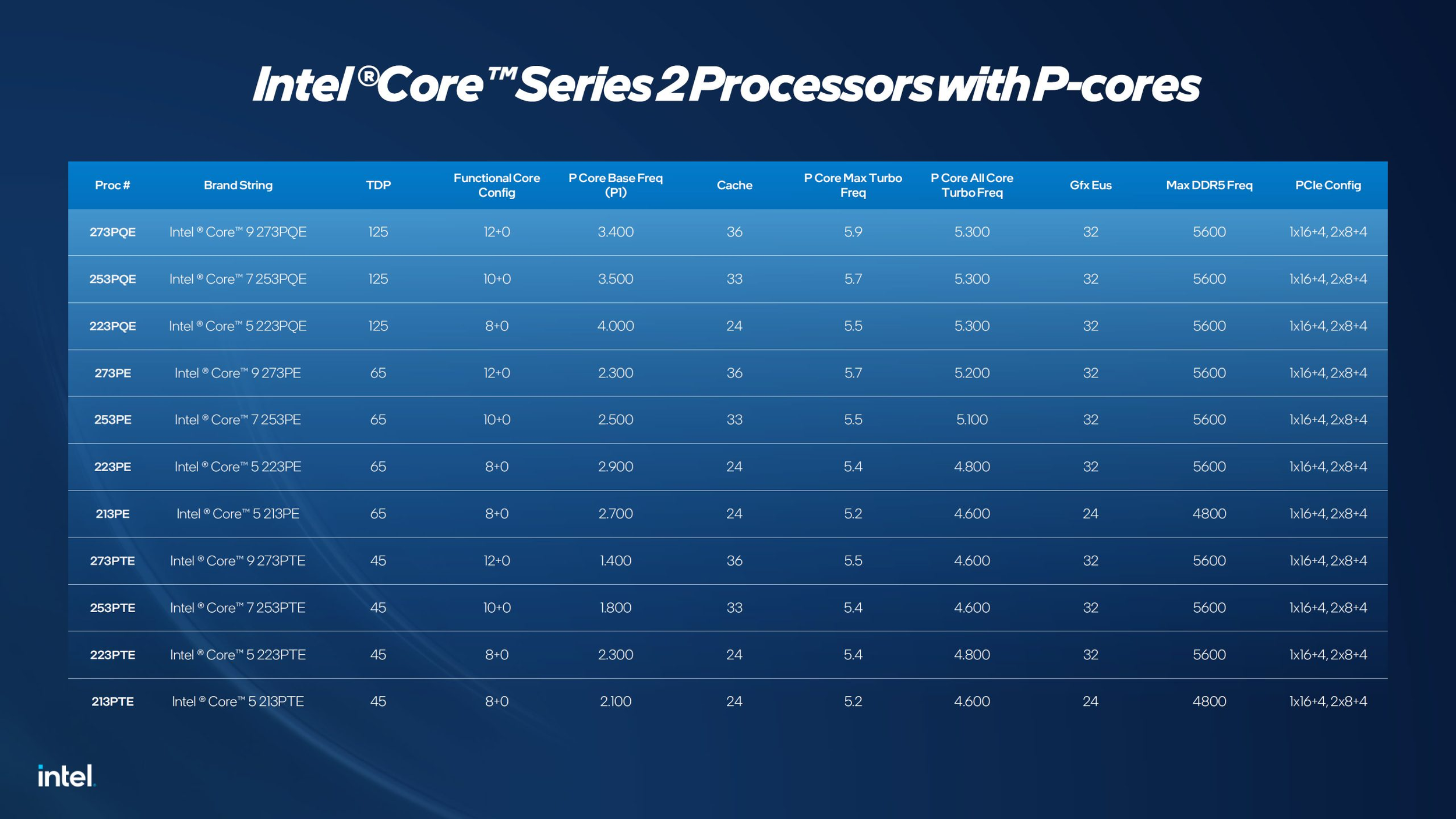
The big headline on the Bartlett Lake side is simple: Intel is finally offering up to 12 performance cores with no efficiency cores in this edge focused desktop line. Intel’s official product listings for the flagship Core 9 273PQE show 12 total cores, all 12 of them P cores, 24 threads, 36MB of cache, and a maximum turbo frequency of 5.9 GHz at 125W base power. That makes Bartlett Lake a very unusual release in Intel’s modern desktop compatible lineup, especially because it stays on Intel 7 and the LGA 1700 platform rather than introducing a new socket.
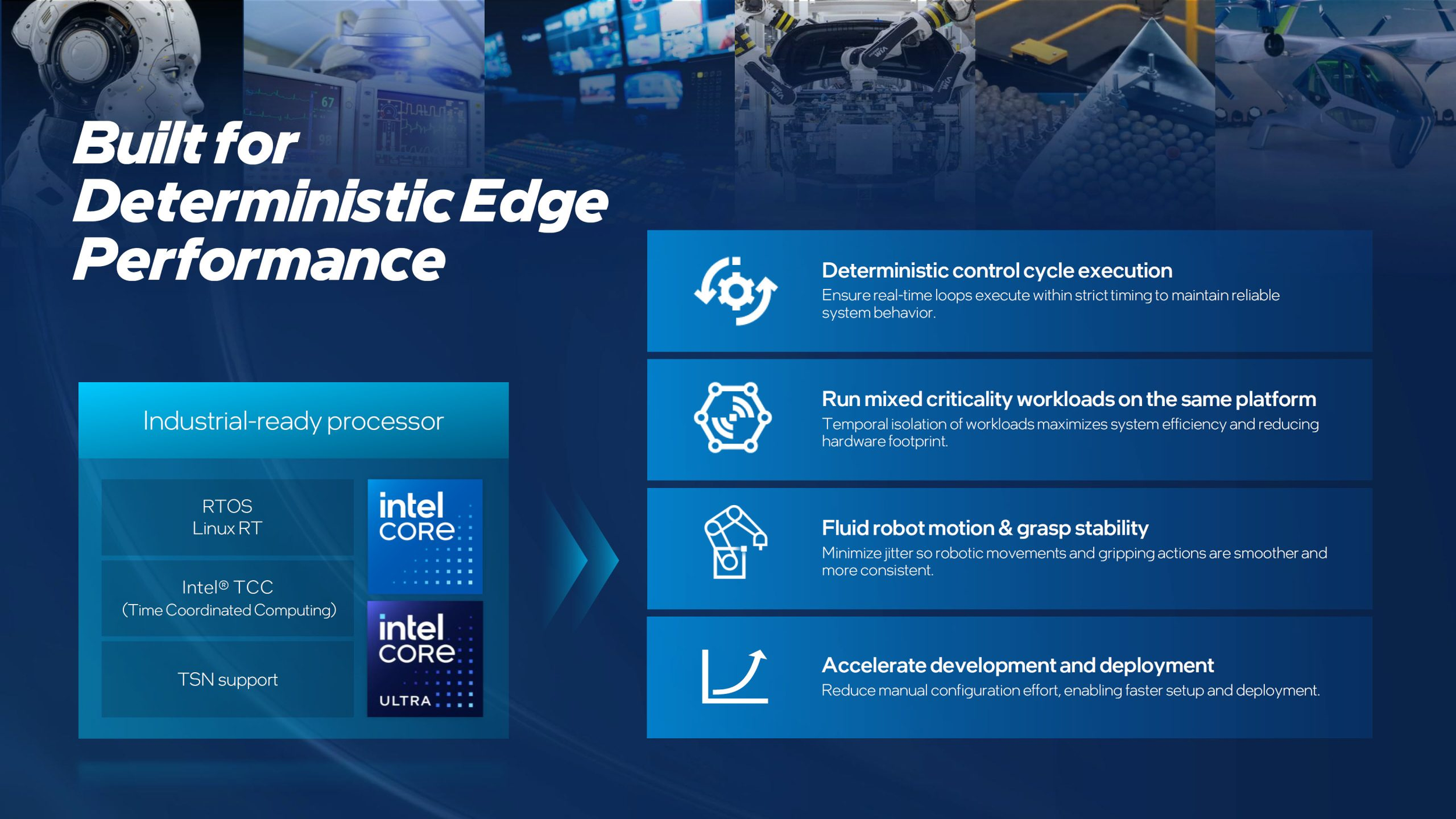

Intel is clearly aiming Bartlett Lake at commercial and industrial deployments rather than the DIY gaming shelf. The company says these Core Series 2 processors are built for mission critical edge applications, and Intel’s launch materials stress deterministic performance, real time responsiveness, long lifecycle support, and compatibility with edge AI software stacks such as OpenVINO. Intel also says edge systems using both Core Series 2 with P cores and Core Ultra Series 3 are available now.
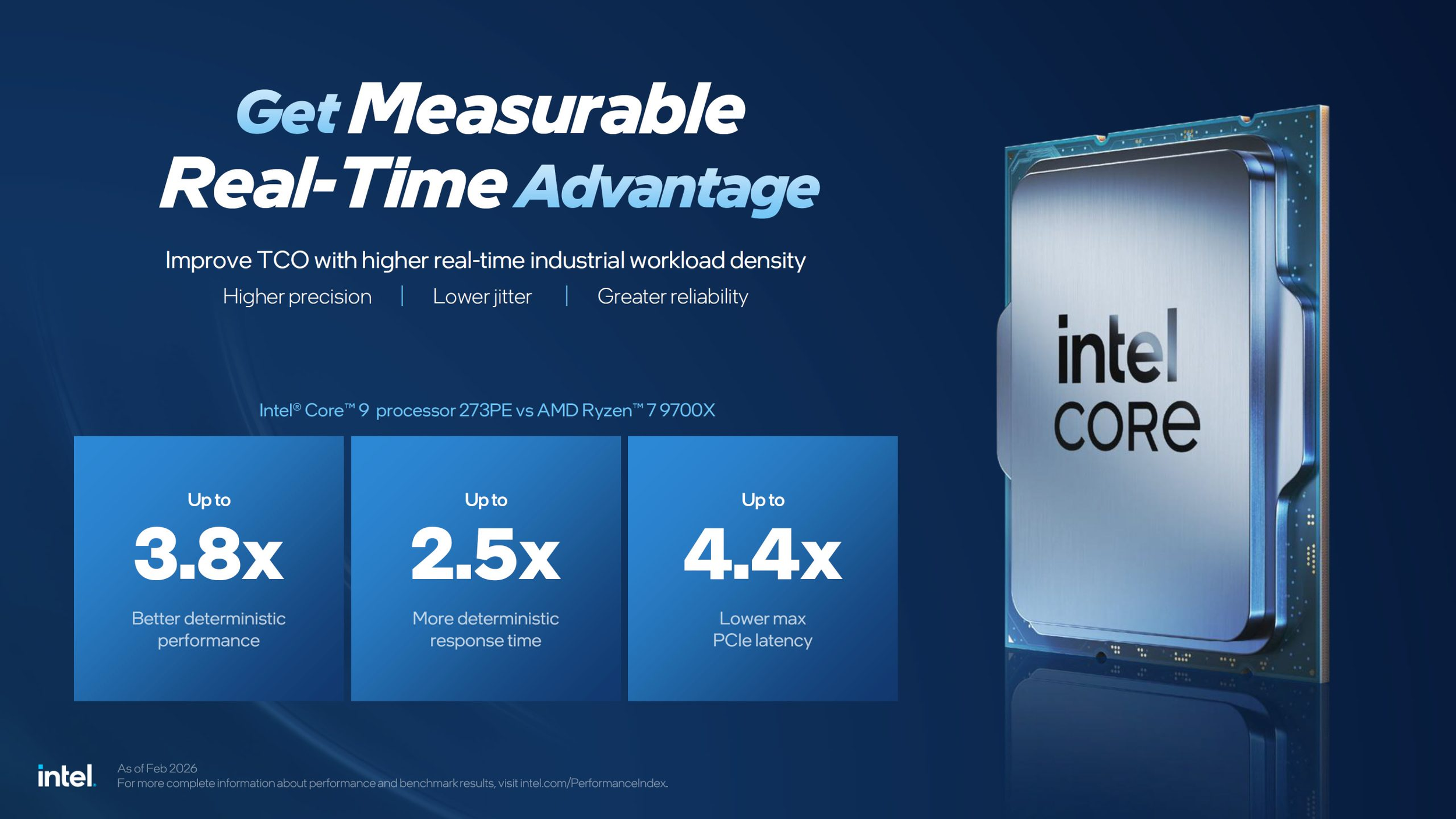
Performance messaging is also central to Intel’s launch strategy. In its official material, Intel claims Core Series 2 can deliver up to 4.4x lower maximum PCIe latency, up to 2.5x better deterministic response time, up to 3.8x better deterministic performance, and up to 1.5x higher multithreaded performance in select comparisons against AMD’s Ryzen 7 9700X, though these are Intel provided benchmarks tied to specific test conditions.
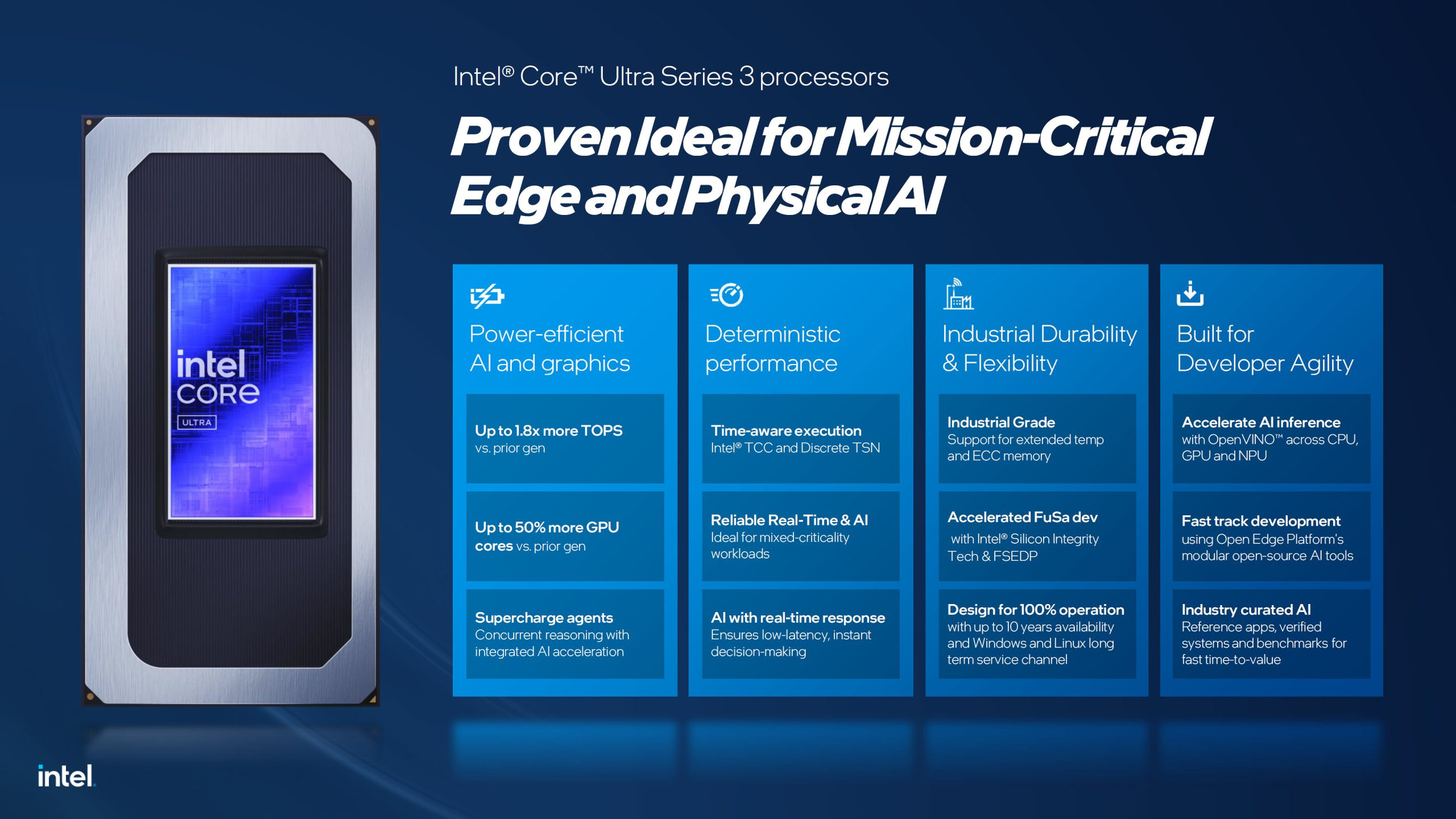
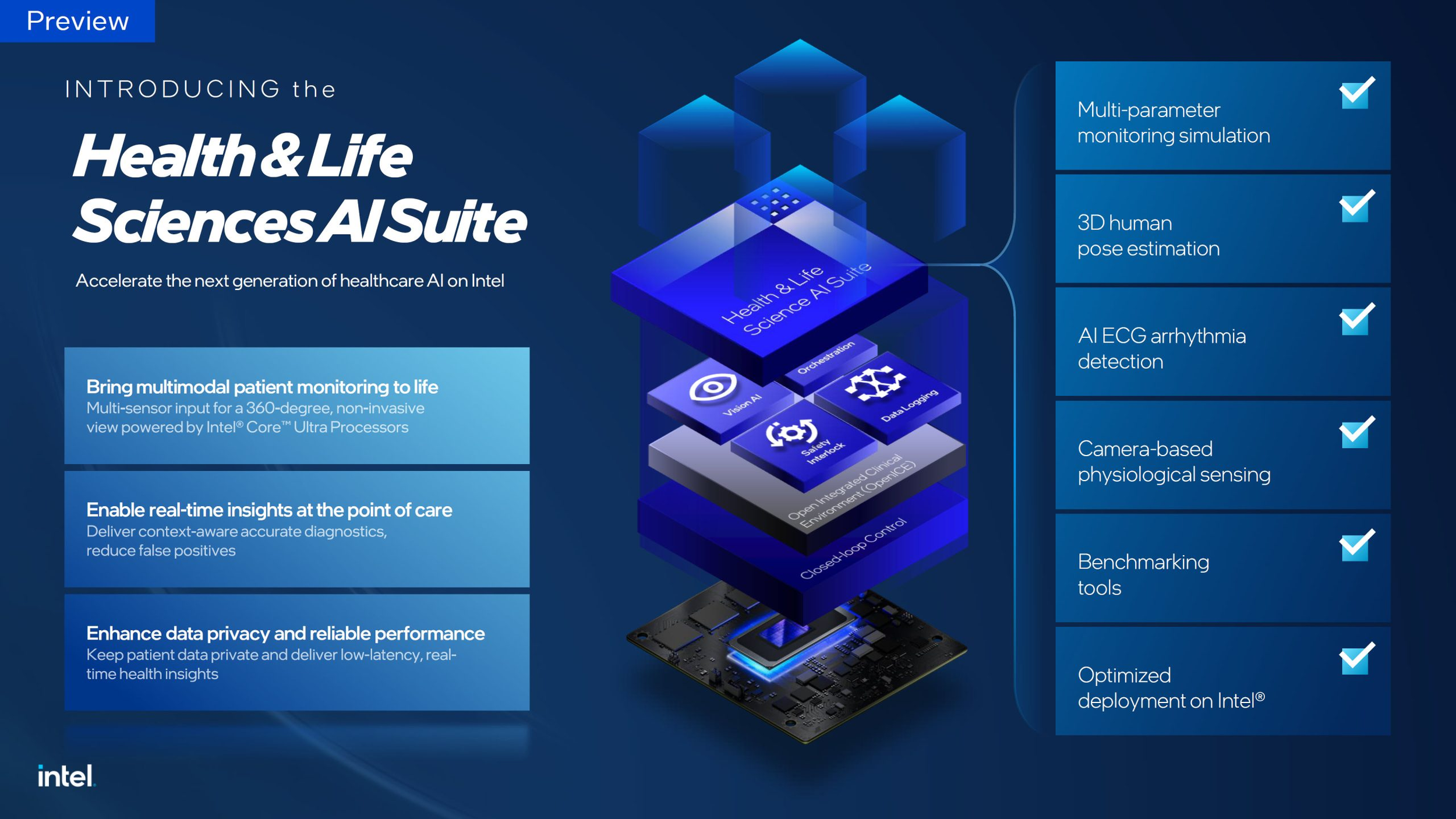
On the Panther Lake side, Intel is continuing the push it began at CES. Core Ultra Series 3 is Intel’s first compute platform built on Intel 18A, and the company says its edge certified versions are aimed at robotics, smart cities, automation, and healthcare. Intel’s published figures claim up to 1.9x higher large language model performance, up to 2.3x better performance per watt per dollar in end to end video analytics, and up to 4.5x higher throughput on vision language action models versus NVIDIA Jetson AGX Orin 64GB in Intel’s tested scenarios.
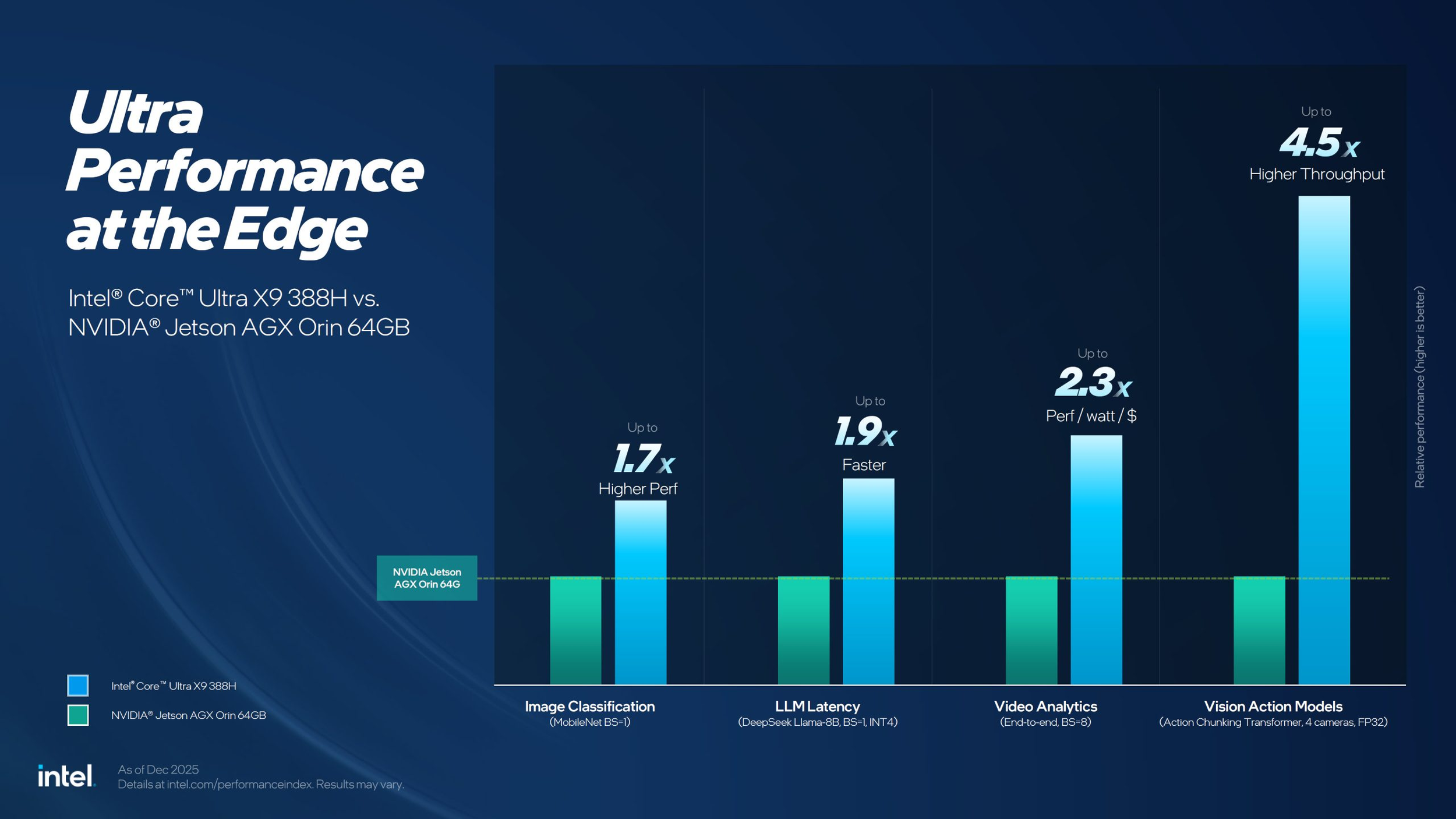
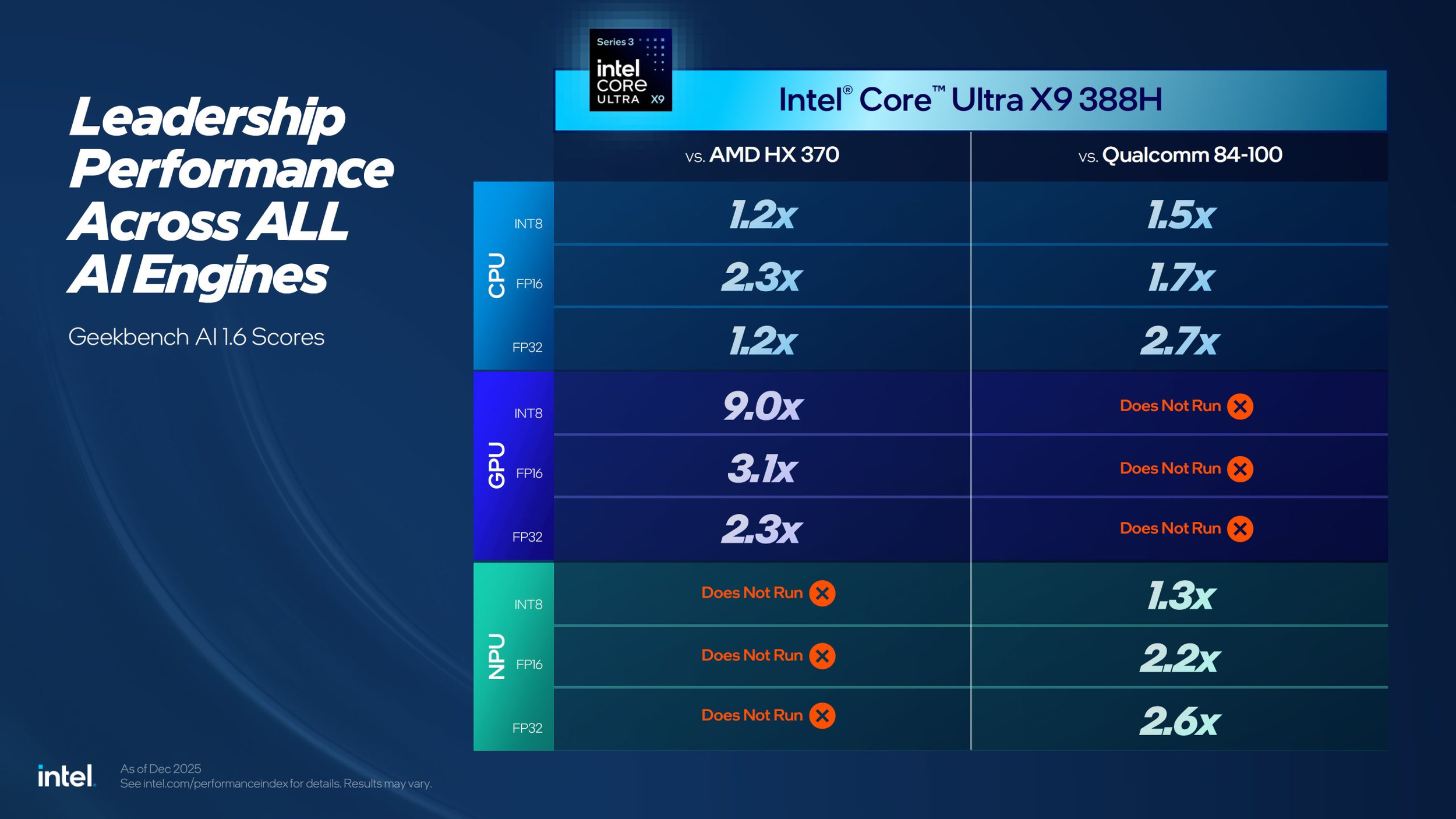


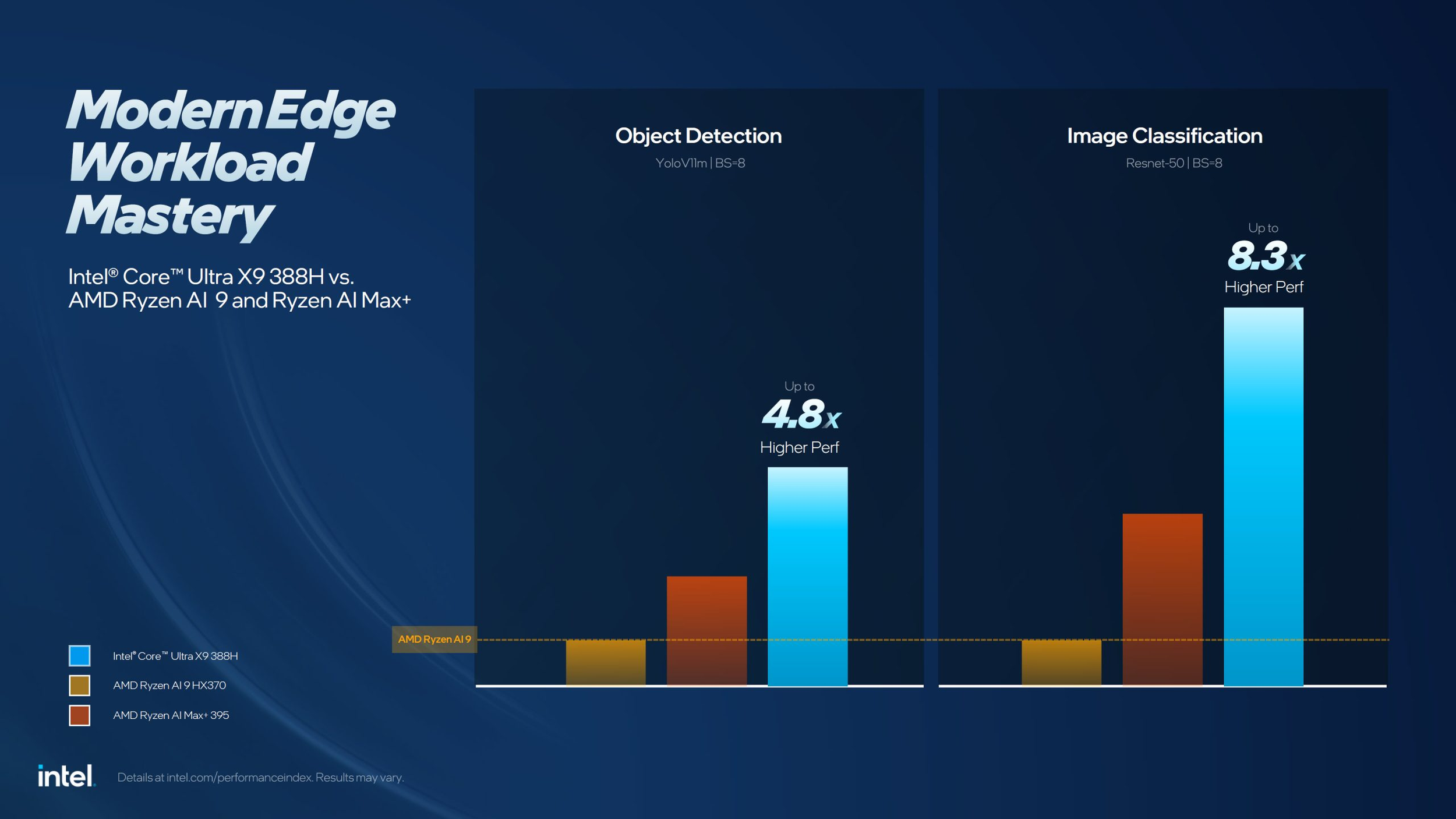
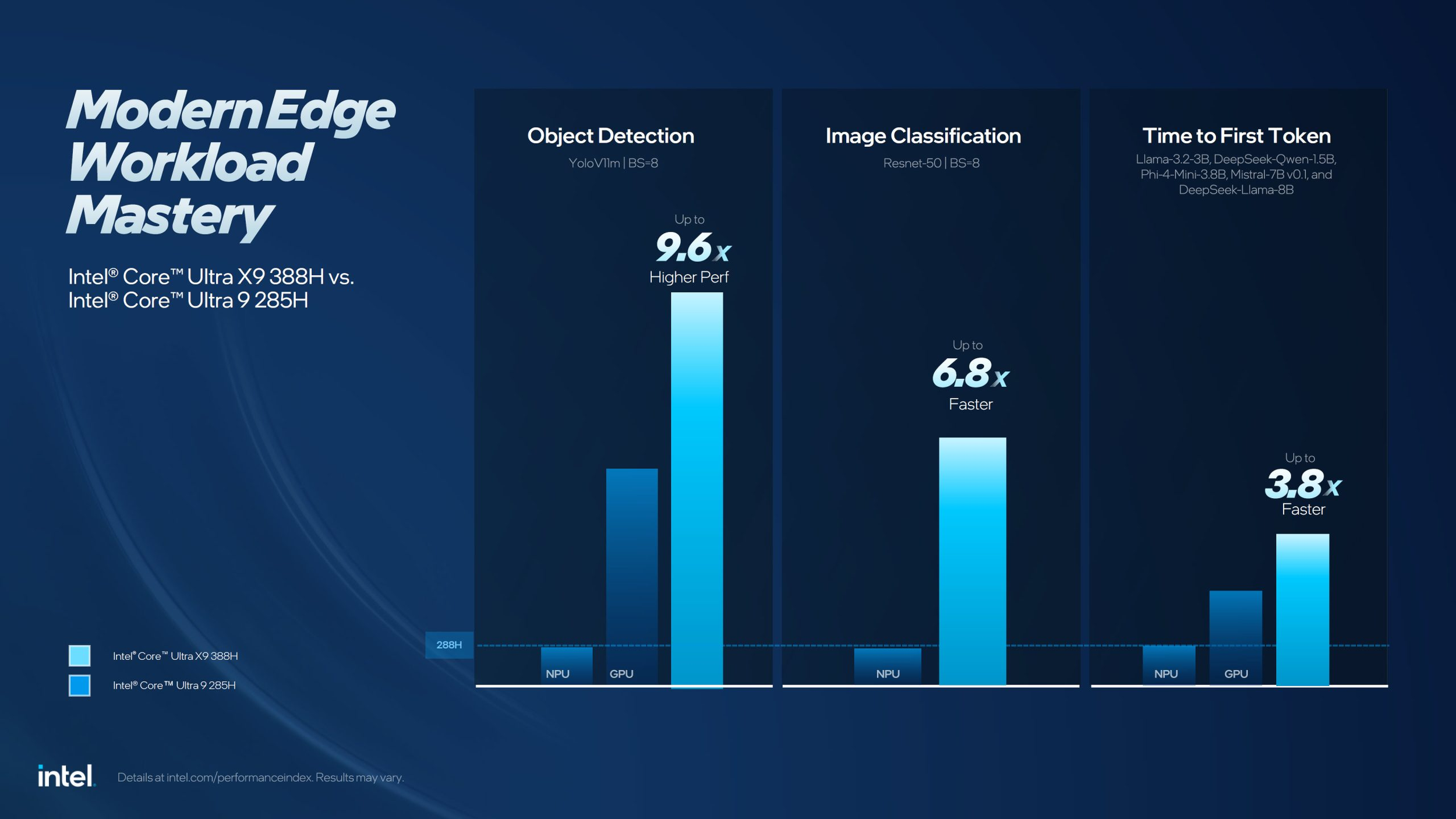
The market takeaway is that Intel is splitting its edge story into 2 very different plays. Bartlett Lake is about stable, desktop class, high clocked P core only silicon for industrial and embedded systems that still value socket compatibility and deterministic behavior. Panther Lake is the forward looking AI edge platform, combining Intel 18A, integrated AI acceleration, and a broader mobility first design. Together, they show Intel trying to cover both the conservative edge buyer who wants long life platforms and the AI focused customer chasing higher inference efficiency.
One important caveat for enthusiasts is availability. Intel and outside reporting both indicate that Bartlett Lake S is not a normal retail DIY launch. These chips are meant for OEM and edge deployments, even if their LGA 1700 compatibility and pure P core design will immediately catch the attention of desktop enthusiasts.
Would you want Intel to bring Bartlett Lake’s 12 P core design to mainstream desktop retail, or does this edge only positioning make more sense for a chip like this?
