
Hydrofluoric Acid and Isopropanol Prices Rise as AI Chip Demand Tightens Supply
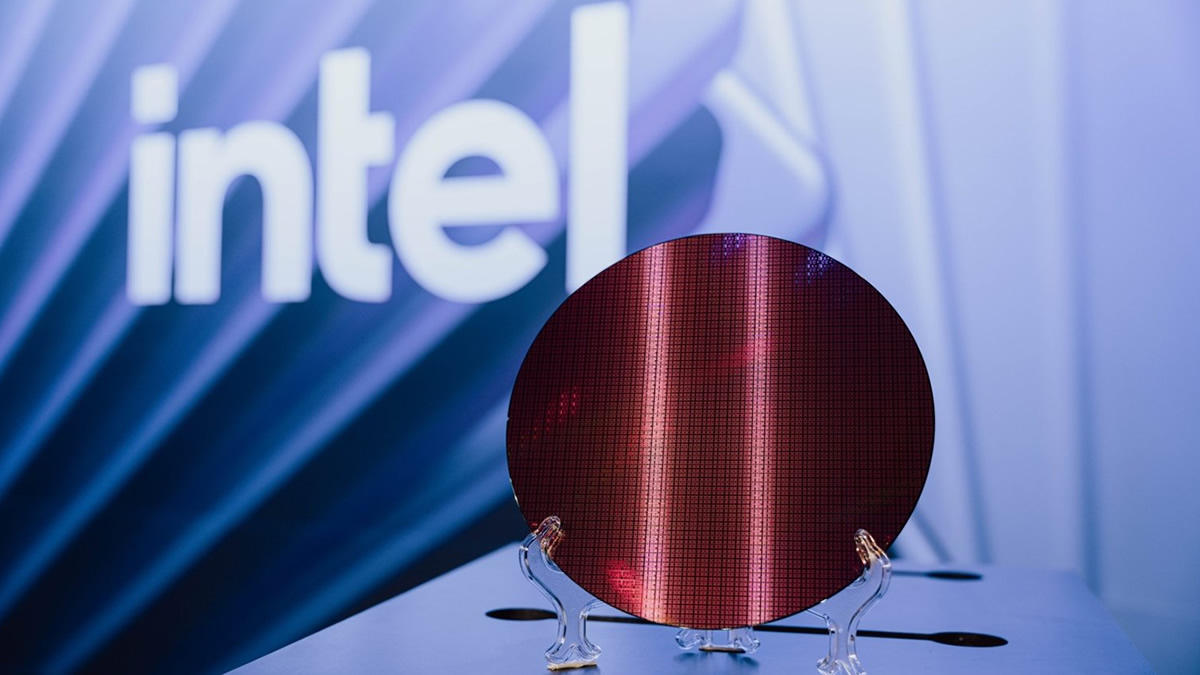
Strong demand for artificial intelligence processors, advanced packaging, and leading semiconductor processes is placing additional pressure on the highly specialized chemicals required to manufacture modern chips. Taiwanese suppliers are now raising prices for electronic grade hydrofluoric acid and isopropanol as expanding consumption collides with higher raw material costs and growing geopolitical uncertainty.
According to United Daily News, Formosa Plastics is adjusting prices for both electronic grade hydrofluoric acid and electronic grade isopropanol during Q3 2026. Shiny Chemical Industrial, another major Taiwanese supplier of electronic grade solvents, also raised prices during Q2 and said it could introduce further adjustments if raw material costs continue increasing.
Hydrofluoric acid is used for wafer etching, surface treatment, and cleaning, making its purity and consistency essential to semiconductor yield. Isopropanol is widely used to remove particles and contamination from wafers, photomasks, and production equipment. Both chemicals require extensive qualification before entering advanced fabrication facilities, creating high technical barriers and limiting how quickly chipmakers can replace an approved supplier.
Formosa Plastics attributed the hydrofluoric acid adjustment to rising sulfuric acid and fluorite costs. Higher propylene prices are also increasing production costs for isopropanol. These pressures are developing as TSMC and other manufacturers expand capacity for AI GPUs, HBM, advanced packaging, high performance computing, and process technologies at 2 nm and below.
Taiwan’s electronic chemical market is concentrated among several established suppliers. Formosa Daikin, a partnership between Formosa Plastics and Daikin Industries, reportedly controls approximately 55% of Taiwan’s electronic grade hydrofluoric acid market. Formosa Plastics Tokuyama, its partnership with Tokuyama Corporation, holds more than 50% of the domestic electronic grade isopropanol market, with additional supply provided by companies including Shiny Chemical and LCY Chemical.
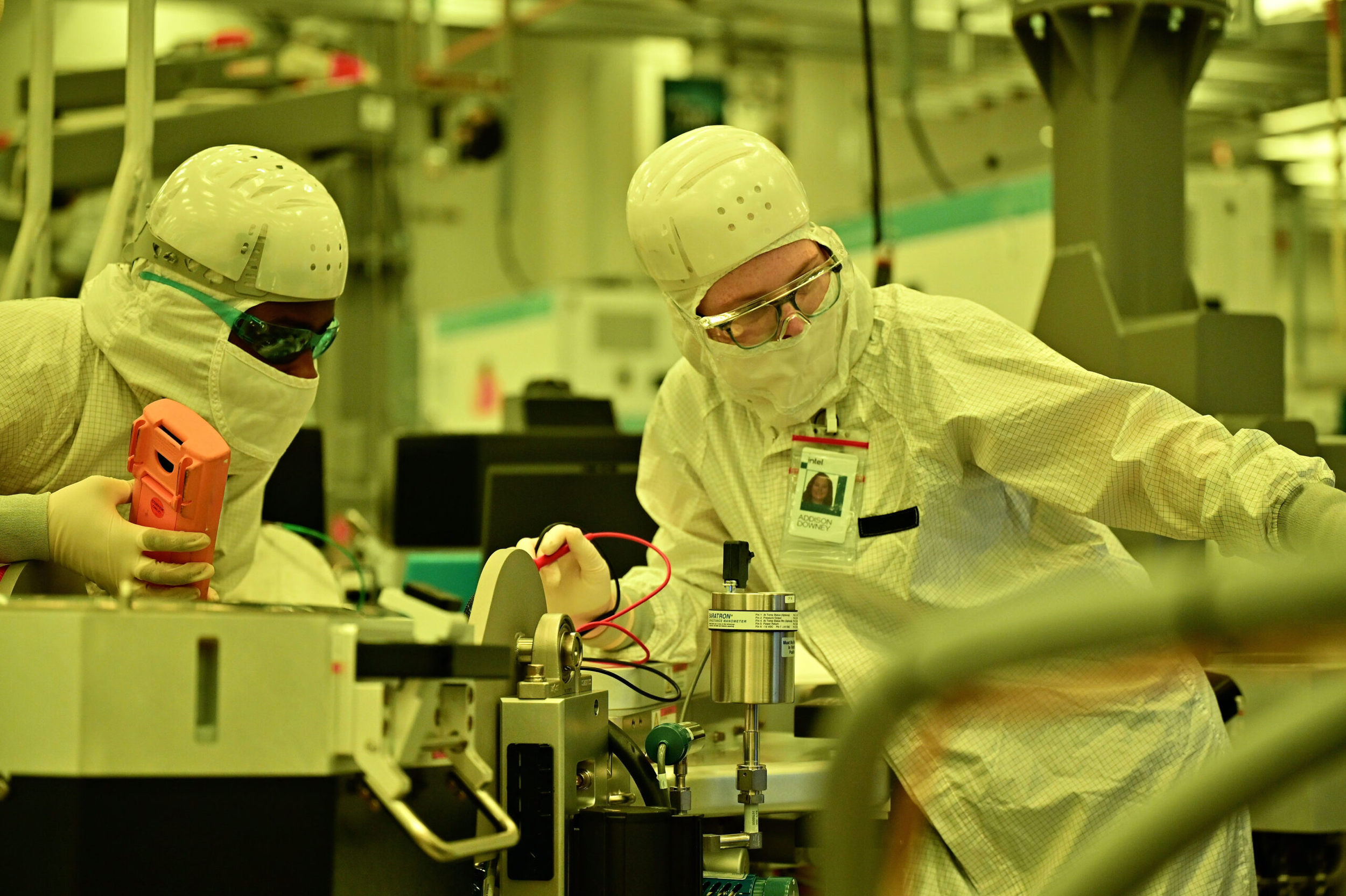
The current pricing pressure also arrives during renewed instability across the semiconductor materials supply chain. China temporarily suspended helium exports on July 10, 2026, seeking to protect domestic availability as conflict in the Middle East threatens supplies from Qatar, which accounts for roughly 33% of global helium production. China imports approximately 85% of the helium it consumes and exports only limited surplus volumes, meaning the restriction alone is unlikely to create a major global shortage. However, it adds another layer of uncertainty to a market already facing constrained supply and higher transportation costs.
Helium is required for wafer cooling, plasma etching, deposition, leak detection, and other precision manufacturing operations, the concern is not one individual restriction, but the cumulative effect of rising AI demand, limited advanced packaging capacity, tight HBM supply, higher chemical prices, and vulnerable material transportation networks.
Industry analysts expect Taiwan’s electronic chemical suppliers to benefit from higher prices, increasing volume, and additional production capacity planned for 2027. However, these same conditions could raise manufacturing costs throughout the semiconductor value chain, particularly for smaller fabrication facilities and suppliers with less purchasing power than major companies such as TSMC, Samsung, Intel, and SK hynix.
The semiconductor industry frequently focuses on processors, HBM, lithography equipment, and packaging capacity, but none of those technologies can operate without a reliable flow of industrial gases and extremely pure chemicals.
Hydrofluoric acid and isopropanol represent a small portion of the final selling price of an AI accelerator, yet production cannot continue without them. Their supply is also difficult to replace because semiconductor manufacturers must validate every chemical source to ensure that microscopic contamination does not reduce wafer yield.
Major chipmakers are unlikely to face immediate production interruptions because they maintain long term contracts, multiple suppliers, and strategic inventories. The greater risk is gradual cost inflation spreading through wafer manufacturing, memory production, packaging, and eventually the price of AI hardware. As demand continues expanding, the next semiconductor bottleneck may emerge from materials that receive far less attention than GPUs or HBM.
Could rising chemical and industrial gas costs become a greater constraint on AI chip production than advanced wafer capacity itself?
