
Highguard Website Goes Dark as Tencent Funding Revelation Fuels Shutdown Fears
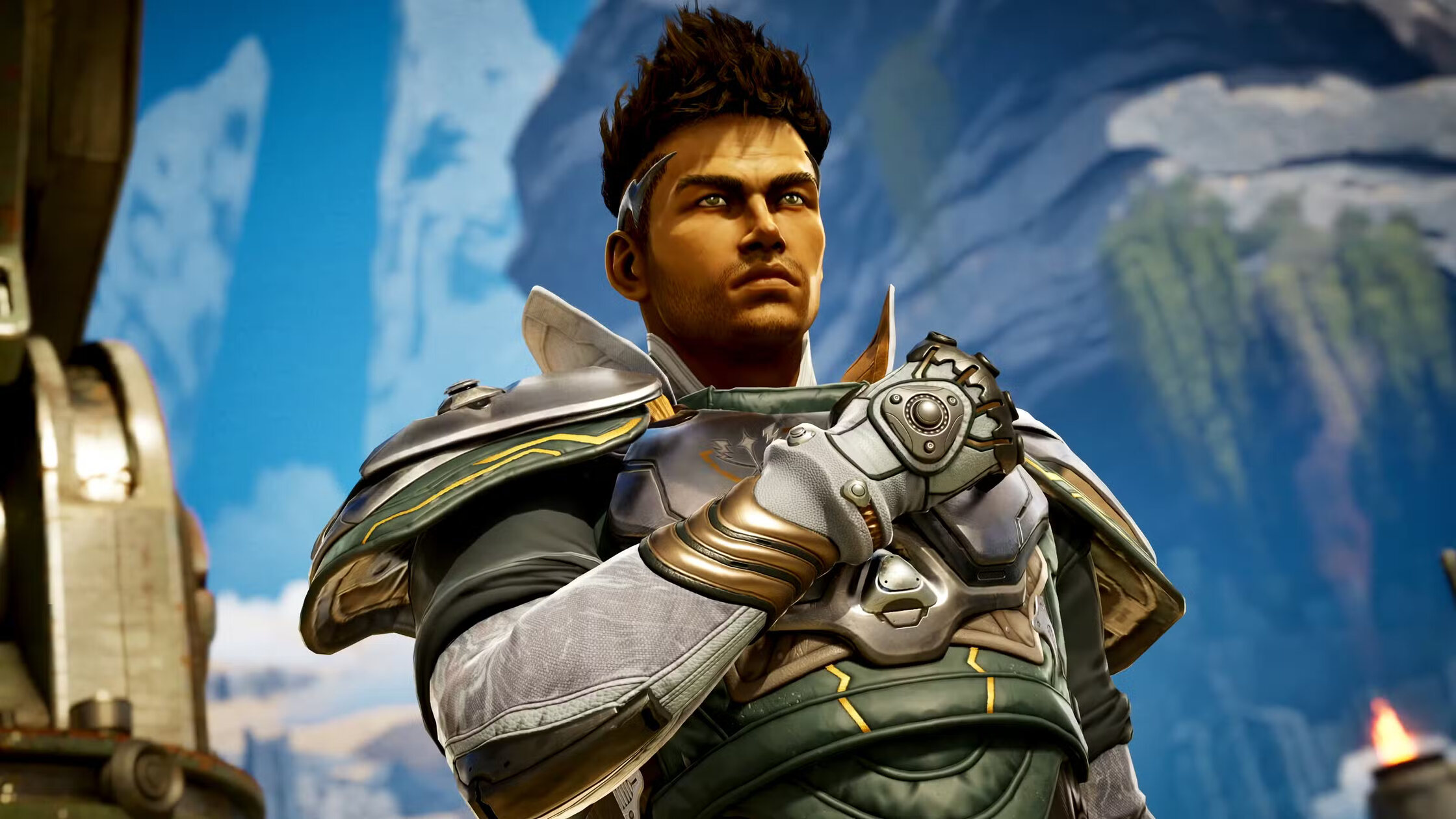
Highguard is quickly becoming a cautionary tale in the modern live service arena, not because the concept was invisible, but because the timing and perception spiral hit at maximum velocity. The game was kept fully under wraps until The Game Awards 2025, where it landed the final trailer slot and instantly inherited the expectations that come with closing a show of that scale. Many viewers were hoping for a major new single player reveal, and instead saw another hero shooter, which triggered immediate backlash aimed at both the showcase decision and the game itself.
According to Wildlight Entertainment CEO Dusty Welch, the studio originally wanted to shadowdrop Highguard in late January, mirroring the surprise launch playbook used by Apex Legends in 2019, a reference that carried extra weight given that several team members had worked on that project. The opportunity to close out The Game Awards with a Highguard trailer was difficult to decline, but the after effect was brutal. The trailer did not sell the game effectively, early sentiment turned hostile, and the conversation hardened before players ever got hands on time.
What made the situation worse is that the launch still happened on schedule in late January. Steam reviews reportedly skewed negative almost immediately, reinforcing the narrative that the reveal had already framed. Rather than buying time to reposition the game, explain its differentiators, or tune first impressions, Highguard entered the market while the discourse was still actively swinging. Last week, reports suggested Wildlight had already laid off most of the team after the game’s poor debut, and in the days that followed, a laid off developer publicly criticized players for not giving Highguard a chance. That combination rarely helps a live service title stabilize, because it shifts attention away from gameplay improvements and into trust and messaging.
Now the red flags are stacking. The 24 hour concurrent peak on Steam was just 1507 players, and the official website has been down for several hours, which is exactly the kind of operational signal that makes remaining fans fear an imminent shutdown announcement. Even if downtime is caused by something mundane like hosting issues or billing lapses, the optics are disastrous when the community already believes the studio is shrinking and the product is at risk.
The new twist is the funding reveal. Journalist Stephen Totilo reports that Tencent was the secret investor behind Highguard, a detail that reshapes how people interpret the project’s scale, go to market strategy, and long term runway.
From an industry lens, this is a classic execution gap problem. Live service shooters need a strong value proposition on day 1, a clean onboarding curve, and a clear content cadence, because the market is saturated and players churn fast. If the first mainstream moment frames the game as something audiences are already tired of, the studio needs either a major hook that overrides skepticism or enough runway to iterate aggressively until the experience speaks louder than the narrative. Highguard appears to have had neither, and the reveal slot that should have been an accelerant instead became a brand weight it could not carry.
If Tencent’s investment is confirmed as meaningful, that raises another strategic question: why was the project kept so quiet, and why did it ship into a negative perception cycle without a more robust repositioning plan. Secret funding is not inherently a problem, but in this context it invites speculation about publishing influence, risk tolerance, and whether the game was expected to compete at a higher tier than its reception suggests.
If you were running the playbook here, would you have delayed Highguard after the Game Awards reaction, or pushed forward and tried to win players through updates, and do you think it deserved more time before the audience wrote it off?
