
Hideo Kojima Says Generative AI May Create Art in 100 Years, but He Is Not Interested in Using It for Art
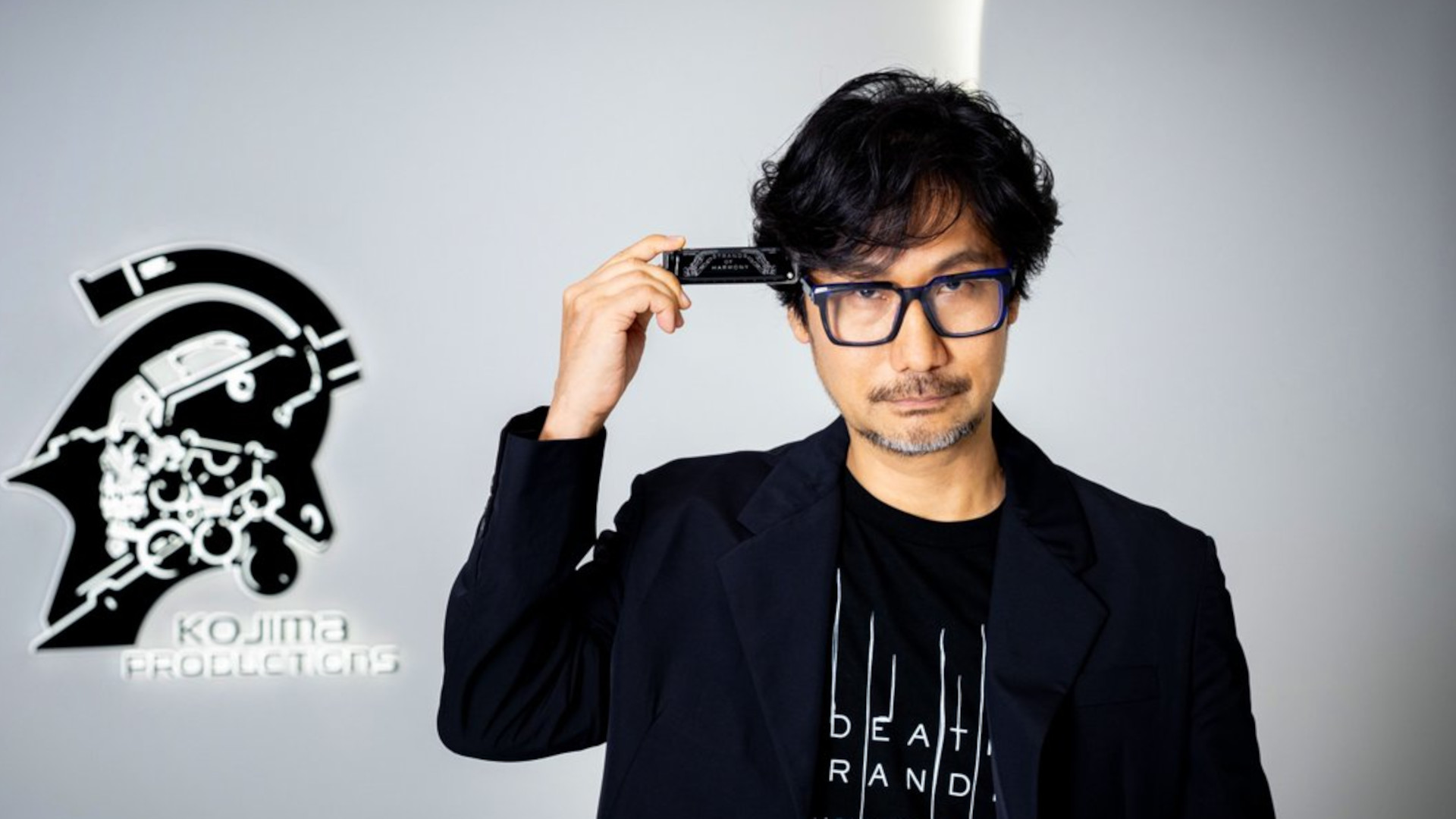
Hideo Kojima has shared another clear statement on Generative AI, and his position remains focused on a very specific distinction: technology may have a place in systems, simulation, and interactivity, but he is not interested in using it as a replacement for artistic creation.
Speaking with The Washington Post, in comments later spotted by Kotaku, the Death Stranding and Metal Gear Solid creator addressed whether Generative AI could ever create art. His answer was not a full rejection of the possibility in the distant future, but it was a firm rejection of its relevance to his own creative life.
"Art is life. But in 50 years, 100 years, I don't know. Maybe AI could create art, but while I live, I don't think I'll see it. I'm not interested in it."
— Hideo Kojima
Kojima also added that the future of technology will depend heavily on how younger creators choose to use it.
"We'll find a good way, a good path to how we use technology, and it's really up to young people on how we use it."
— Hideo Kojima
The comments arrive shortly after a Generative AI version of Kojima appeared in a Prada commercial, making his latest remarks especially notable. Even with his image appearing in that context, Kojima himself appears uninterested in using Generative AI for visual or artistic production inside his own creative process.
This is consistent with what Kojima has said before. Rather than using Generative AI to create visuals, images, or art assets, he has expressed more interest in how AI could improve control systems and gameplay behavior.
"Rather than having AI create visuals or anything like that, I'm more interested in using AI in the control systems."
— Hideo Kojima
That approach is much closer to game design than content generation. Kojima has previously suggested that AI could help make NPCs and enemies more reactive, allowing them to change behavior based on a player’s experience, actions, and patterns. In theory, that kind of system could make gameplay feel deeper, less predictable, and more responsive.
"based on the player's experience, actions, and patterns. That kind of dynamic response would make much deeper gameplay possible."
— Hideo Kojima
Of course, adaptive AI behavior is not entirely new to games. A commonly referenced example is the Xenomorph in Alien: Isolation, which was famous for tracking player behavior, learning hiding patterns, and forcing players to constantly change their survival strategy. That kind of AI design is very different from using Generative AI to produce art, dialogue, images, or cinematic assets.
Kojima’s stance is important because the games industry is still trying to define where Generative AI belongs, if it belongs at all. Developers are experimenting with AI tools across concept development, code assistance, animation support, procedural systems, dialogue, and production pipelines. At the same time, many players and creators remain skeptical, especially when the technology is positioned as a shortcut for art, writing, voice performance, or human creative labor.
Kojima seems to draw the line at authorship. His work has always been deeply personal, cinematic, and shaped by a specific creative identity. For a director whose games are so closely tied to themes, tone, visual language, music, performance, and authorial intent, it is not surprising that he views art as something inseparable from lived experience.
That does not mean Kojima is anti technology. His career has always been built around pushing game technology into unusual creative directions, from cinematic stealth design to asynchronous multiplayer, social connection systems, and strange genre hybrids. His point appears to be that technology should serve the experience rather than replace the creative human core behind it.
The next question is whether future Kojima Productions titles will include Generative AI disclosures on Steam, especially as more recent games now include vague AI usage statements. Some titles, such as Tomb Raider: Legacy of Atlantis, have already drawn attention for how broad and unclear these disclosures can be. If Kojima Productions ever uses AI for systems rather than art, it could become an interesting test case for how developers communicate that distinction to players.
For now, Kojima’s position is straightforward. He is not ruling out the possibility that AI could one day create art, but he does not expect to see it in his lifetime, and he has no personal interest in using it that way. If AI has a future in his work, it is more likely to appear inside gameplay systems, enemy behavior, and interactive design rather than in the visual or artistic identity of his worlds.
Do you agree with Hideo Kojima that Generative AI should be used more for gameplay systems than for creating art?
