
HDD Prices Are Now Rising Faster Than They Have in Years
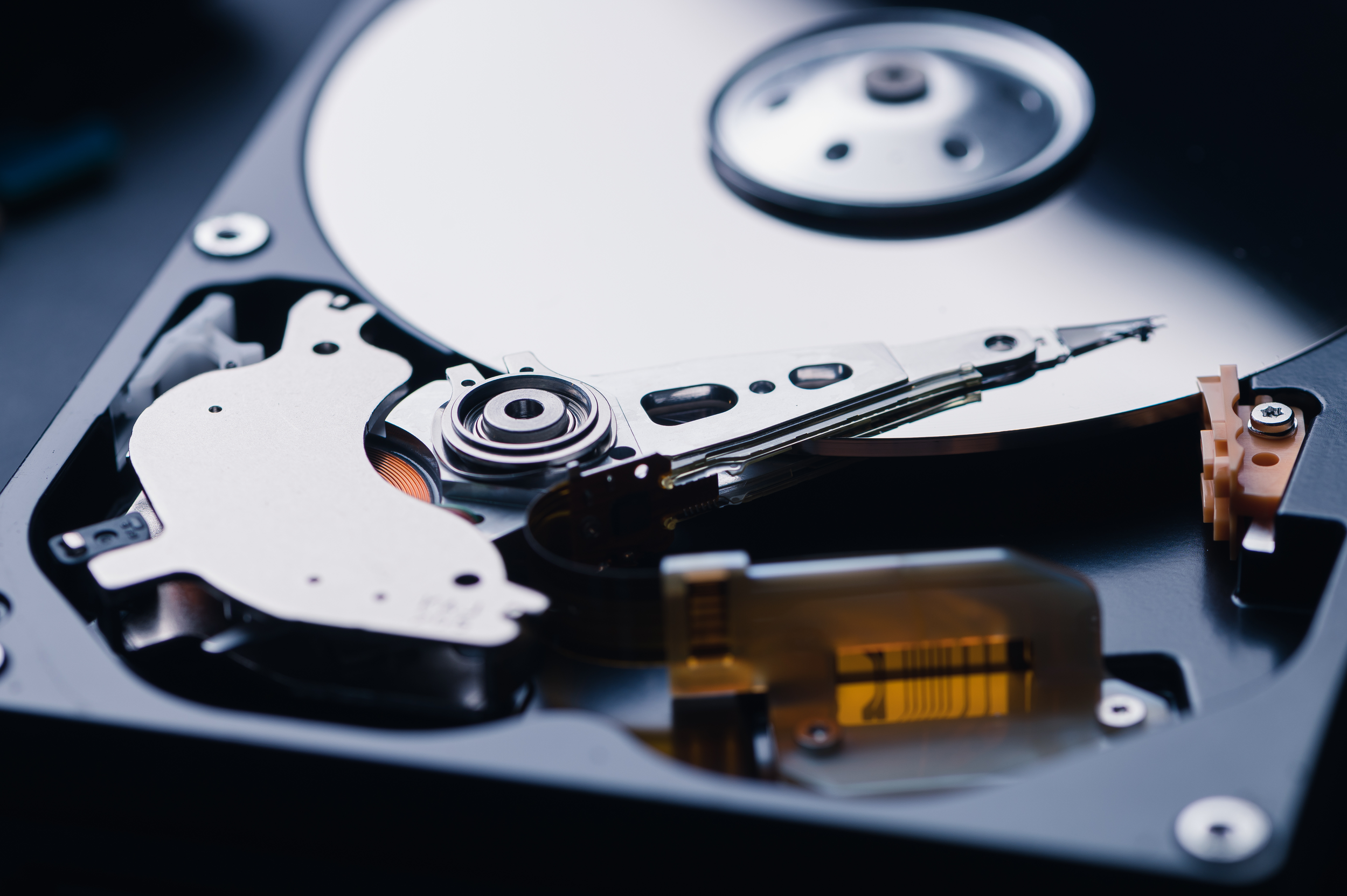
The rapid expansion of artificial intelligence infrastructure is beginning to reshape yet another corner of the hardware supply chain. Following the aggressive global buildout of large scale data centers, hard disk drive adoption is rising sharply, with early signs suggesting that traditional storage pricing dynamics may be entering a new phase. According to a recent report cited by Nikkei, contract HDD prices have increased by approximately 4 percent quarter over quarter, marking the steepest rise seen in the past eight quarters.
This surge is being driven almost entirely by hyperscale data center demand. As cloud service providers race to expand AI training and inference capacity, storage requirements are ballooning at an unprecedented rate. AI systems rely on enormous volumes of data, and while high performance storage is used for active workloads, HDDs remain the most cost effective solution for bulk data storage at scale. These drives are widely deployed to store scraped web datasets, processed data backups, inference logs, and other long term datasets that often stretch into the exabyte range within modern facilities.
As a result, HDD suppliers are now under growing pressure. Much like the situation currently unfolding in the DRAM market, manufacturers are finding it increasingly difficult to balance supply with demand. Several HDD makers have indirectly signaled that demand is expected to outpace supply moving forward, with the possibility that these pressures could spill into the mainstream and retail markets as early as 2026. With AI inference workloads continuing to expand across global data centers, HDD utilization is expected to rise further as the buildout progresses.
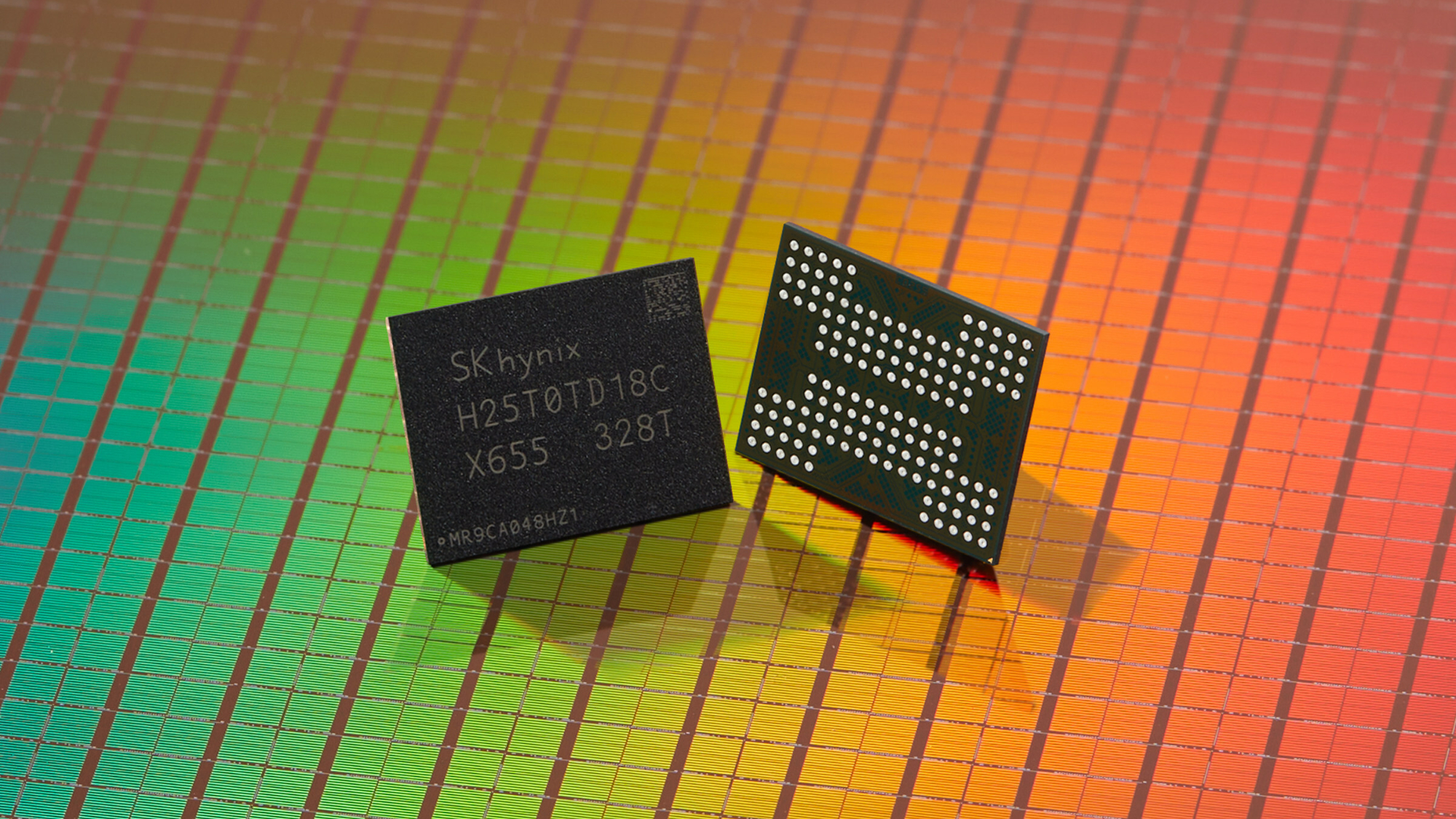
From a profitability perspective, the trend mirrors what has already happened in the memory sector. For storage vendors, supplying large scale AI and cloud customers offers higher margins and more predictable long term contracts than servicing the general consumer market. This dynamic raises concerns that consumer focused HDD availability and pricing could be deprioritized as enterprise demand continues to dominate.
Additional insight from industry analysts reinforces this outlook. According to DigiTimes, demand for high capacity nearline HDDs used in data centers remains strong, with prices for these drives also rising by roughly 4 percent quarter over quarter. Despite manufacturers operating at full utilization, supply is still struggling to keep pace with the rapidly expanding storage needs of US based cloud service providers. AI workloads, cloud computing growth, and increasingly data intensive applications are collectively driving this imbalance.
Historically, HDDs have served as the low cost backbone of the storage ecosystem, offering affordable capacity for both enterprise and consumer use. However, this long standing assumption may soon be challenged. Several storage industry players, including firms such as Transcend and Phison, have already warned of impending shortages, signaling that the effects of constrained supply could become more visible across broader market segments.
As AI continues to scale at an industrial level, its ripple effects across hardware markets are becoming increasingly difficult to ignore. HDDs, once viewed as a mature and stable technology, are now emerging as another critical pressure point in a supply chain already strained by unprecedented demand.
Do you think rising HDD prices will eventually push consumers fully toward SSD only storage, or will hard drives remain essential despite higher costs?
