
“Art Should Make People Feel Something”: The Quiet Things Developer Speaks Out After BAFTA Pulled the Game’s Trailer Hours Before the 2026 Awards
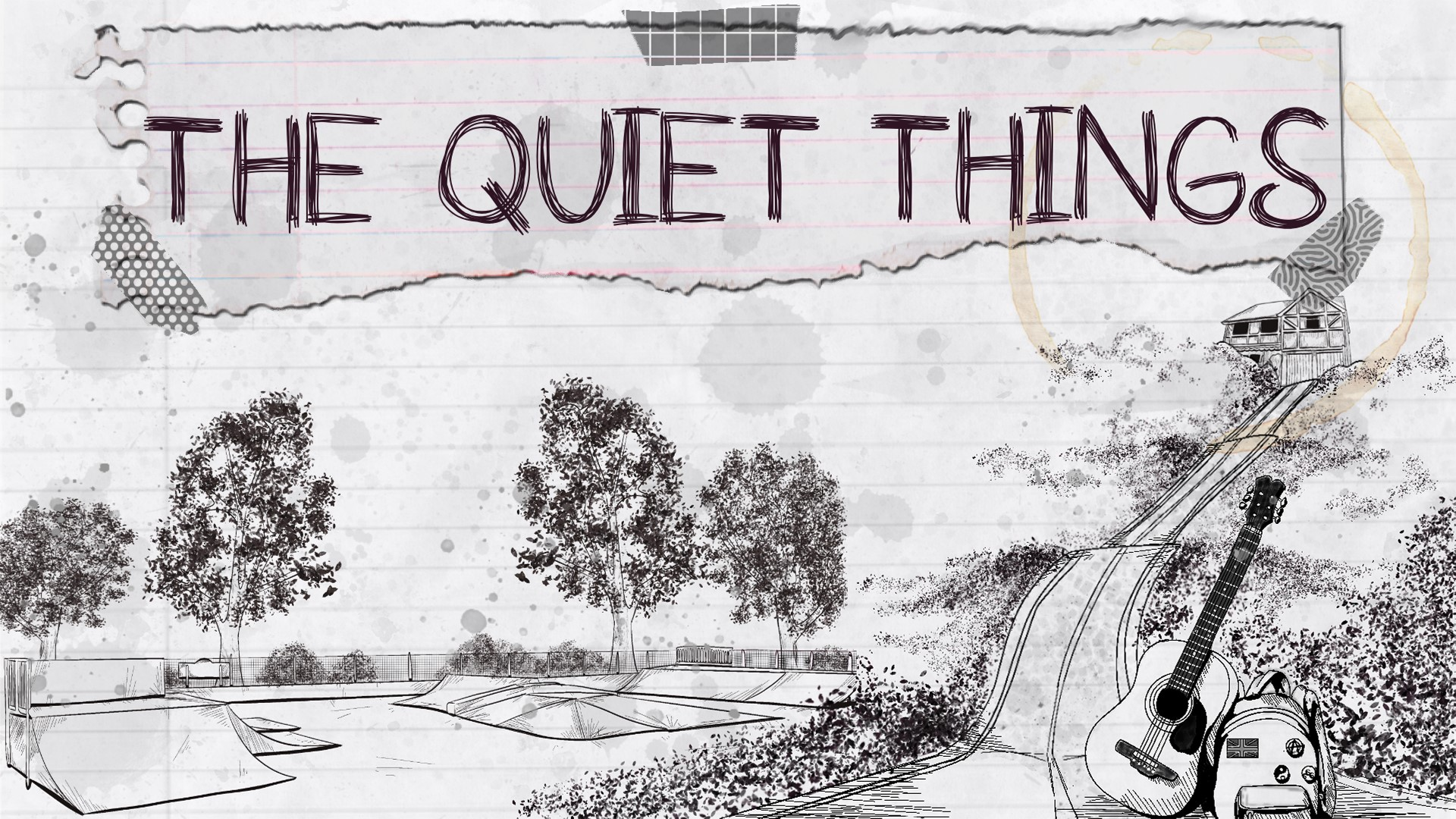
Alyx Jones, founder of Silver Script Games, has publicly criticized BAFTA after the organization pulled the planned awards show trailer for The Quiet Things, an autobiographical first person narrative game centered on trauma, abuse, and survival. In a detailed LinkedIn post, Jones said she was informed on the way to the nominees’ party that the trailer had been removed from the BAFTA Games Awards 2026 broadcast because of its content, despite the fact that it had been intended not only as a major visibility moment for the project, but also as the vehicle for the game’s release date reveal.
According to Jones, the decision was especially painful because she had already revised the trailer after BAFTA flagged certain imagery as potentially reading as “weapons and violence,” including an object inspection of a craft knife and a statue breaking through a mirror. She wrote that after those changes were made, she was thanked for the speed of the revisions and the quality of the trailer, only to later be told that it could no longer be shown because there was not enough time to put the appropriate warnings in place for the audience. Jones said she offered to make further immediate edits, but was ignored.
Her statement makes it clear that the issue was not just the lost platform, but the emotional contradiction of what followed. Jones said she entered the nominees’ event after crying and composing herself, only to hear BAFTA speak proudly about supporting games that tackle difficult and challenging subject matter. She described that as very hard to hear, particularly because The Quiet Things is, in her own words, deeply personal and rooted in her own story. In the post, she wrote, “Art should make people feel something,” framing the incident not just as a programming dispute, but as another example of difficult subject matter being pushed aside when institutions become uncomfortable.
The trailer has since been released publicly through YouTube, where Jones invited players and industry watchers to judge for themselves whether the material was too severe for the awards show. The trailer is emotionally heavy and clearly communicates themes of childhood trauma, fear, and disbelief, but it does so primarily through dialogue, atmosphere, and implication rather than graphic visual shock. That difference is central to why the situation has drawn so much criticism, particularly from developers and observers who see the decision as inconsistent with the kind of artistic maturity games institutions often claim to champion.
In a statement reported by Kotaku, BAFTA said the trailer was removed “in consideration of [its] guests,” and explained that it had made “a compliance decision not to show a trailer of an unreleased game that contains themes that may be a trigger for some, in consideration of our guests as we were not in a position to sufficiently warn them.” BAFTA added that it supports games dealing with difficult subjects and that the decision was specific to the event and made with guest wellbeing as the priority.
That response may explain BAFTA’s procedural reasoning, but it does not fully resolve the criticism surrounding the timing and handling of the situation. Jones’ account suggests she was willing to revise the material further and that earlier feedback had already been actioned. That leaves the controversy less about whether a warning was needed and more about whether an organization that publicly celebrates challenging storytelling was prepared to do the relatively simple work necessary to accommodate it. Based on Jones’ version of events, the deeper frustration is that the game was not rejected after an open process or collaborative solution attempt, but effectively shut out at the last minute.
The commercial stakes were also real. The trailer slot was meant to accompany the announcement that The Quiet Things will launch on May 6, 2026, and the game’s Steam page confirms that release date while listing the title for PC and indicating support for Xbox platforms through the public rollout messaging around the game. For a small independent team, losing a global awards stage just before launch is not a symbolic setback. It is a marketing hit with direct visibility consequences at a critical moment.
What makes the situation resonate beyond one trailer is the larger cultural question it raises. If games want to be treated as an art form capable of addressing trauma, memory, abuse, and survival with seriousness, then the institutions built around games will eventually have to decide whether they are prepared to stand behind that principle when the work stops being easy, safe, or convenient. BAFTA says it supports difficult games. Alyx Jones’ experience suggests that support may still have limits when discomfort enters the room.
Whether one agrees with BAFTA’s compliance decision or not, this controversy has already changed the conversation around The Quiet Things. What was supposed to be a quiet release date reveal has turned into a larger debate about artistic expression, institutional caution, and how the games industry handles survivor driven storytelling. In that sense, Jones has already forced an uncomfortable but necessary discussion into the open, which may ultimately be more aligned with the game’s purpose than any carefully managed awards show slot could have been.
Do you think BAFTA made a reasonable event safety decision, or did it fail to support exactly the kind of meaningful game storytelling it claims to champion?
