
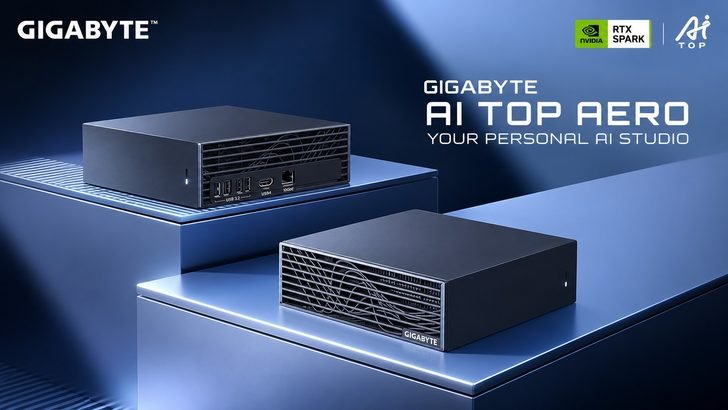
GIGABYTE has officially introduced the AI TOP AERO, a compact desktop powered by NVIDIA's new RTX Spark platform, designed for local AI development, content creation, and gaming. The system combines a 20 core NVIDIA Grace CPU with a Blackwell RTX GPU featuring 6,144 CUDA cores, delivering substantial computing capabilities inside a chassis measuring approximately 1 liter.
According to GIGABYTE's official announcement, the AI TOP AERO supports up to 128 GB of LPDDR5X unified memory and 4 TB of PCIe 5.0 SSD storage. Unlike conventional desktops, where the CPU and GPU use separate memory pools, the unified architecture allows both processors to access shared system memory. This enables larger AI models to operate locally without the capacity restrictions associated with traditional graphics cards, although the available memory must also accommodate system processes.
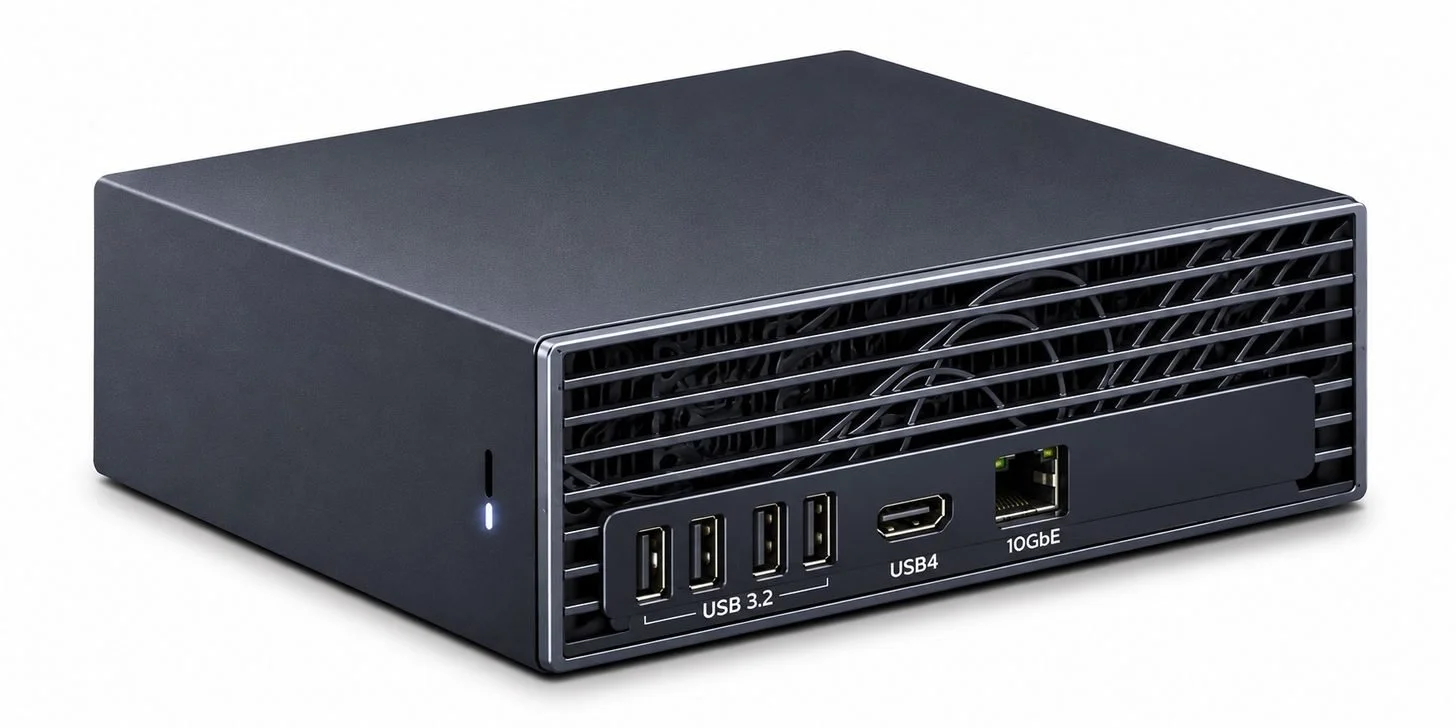
Running Windows 11, the system supports NVIDIA CUDA acceleration and popular AI applications, including Ollama, LM Studio, ComfyUI, and NVIDIA Nemotron models. NVIDIA PAIR also enables distributing AI inference workloads across compatible devices on a local network. Connectivity includes 10GbE Ethernet, WiFi 7, and USB Type C, while GIGABYTE's cooling solution is designed for sustained computational workloads.
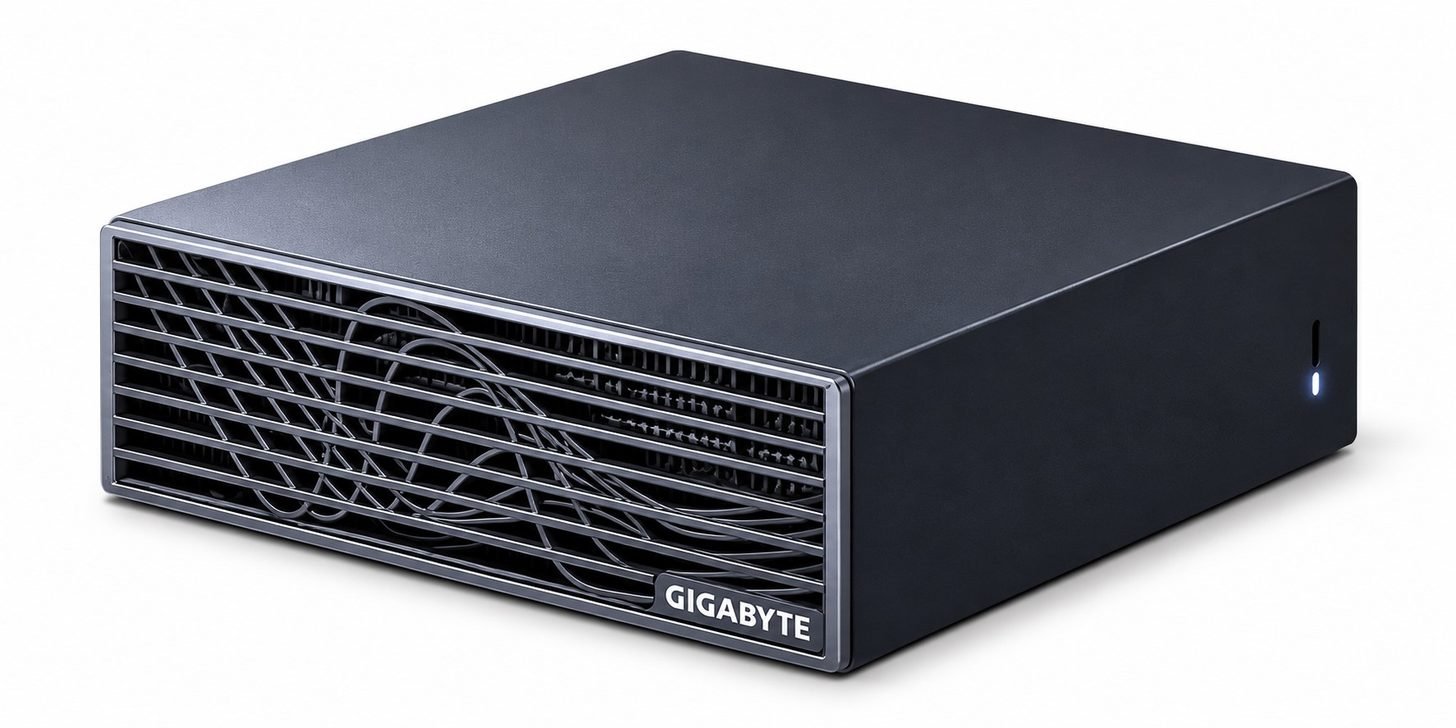
Beyond AI development, the Blackwell GPU supports NVIDIA DLSS 5, RTX Video, and NVIDIA Broadcast, expanding its capabilities into gaming and professional content creation. The Windows platform also positions it as an alternative to Linux focused AI workstations, competing with emerging solutions such as AMD Ryzen AI Halo systems offering up to 192 GB of unified memory.
GIGABYTE launched the AI TOP AERO on November 10, 2026, although regional configurations, pricing, and retail availability have not been fully disclosed.
The AI TOP AERO represents an interesting development for local AI enthusiasts, particularly with its 128 GB unified memory capacity and Windows compatibility. However, unified memory does not automatically deliver the performance of dedicated GPU memory, and memory bandwidth remains an important consideration. Pricing and hardware upgradeability will ultimately determine its value compared with traditional desktop systems offering replaceable graphics cards and expandable memory.
Would you invest in a compact NVIDIA RTX Spark workstation with 128 GB of unified memory, or would you prefer building an upgradeable desktop for local AI and gaming?
