
GameStop CEO Ryan Cohen Eyes a Big Public Company Acquisition to Chase a $35 Billion Bonus
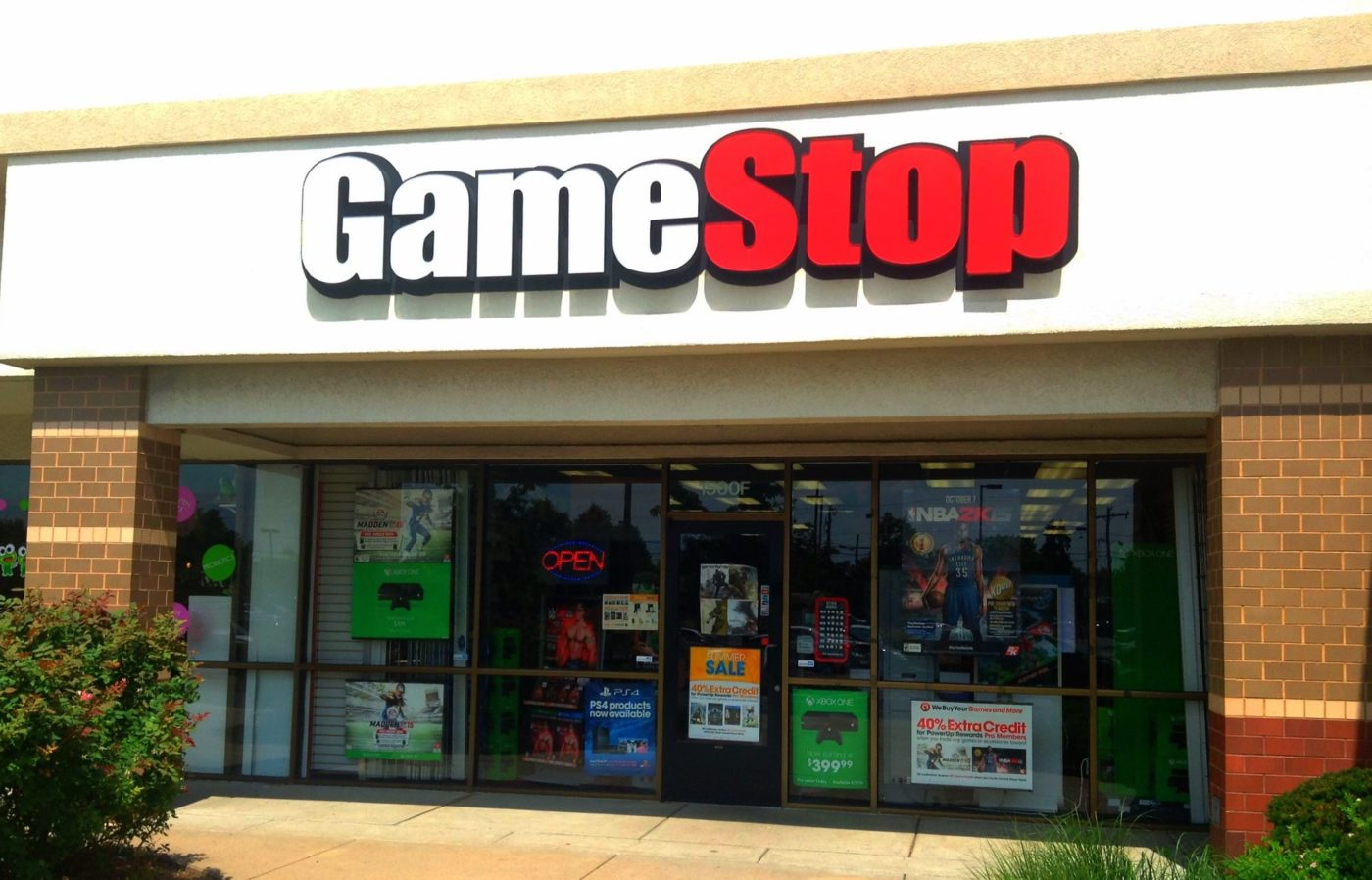
GameStop chief executive officer Ryan Cohen is reportedly positioning the company for a high stakes growth play that could unlock an eye watering compensation package approved by GameStop’s board, with Cohen aiming to transform GameStop from an approximately $11 billion market cap business into a $100 billion market cap company.
In an interview with the Wall Street Journal, Cohen said his plan is to pursue a major acquisition of a publicly traded company, likely in the consumer or retail sector, as part of a broader push to expand beyond GameStop’s core identity as a video game retailer. Cohen framed the bet with a blunt assessment, calling it something that will either be genius or totally foolish.
The incentives are enormous. Under the board’s structure, Cohen can earn the full $35 billion bonus if he can drive GameStop to a $100 billion market cap and hit a $10 billion EBITDA target. For context, even during the meme stock peak in 2021, GameStop’s market cap topped out around $33.7 billion, which is still far below the threshold needed for the maximum payout. That gap is why an acquisition strategy is being discussed in the first place: organic growth alone would require a scale shift that is extremely hard to achieve inside a mature, store based retail footprint, especially as the company reportedly moves to close hundreds of locations across the United States.
The Journal also notes that Cohen does not necessarily need to hit the full $100 billion outcome to take home compensation. A partial bonus becomes available if he pushes GameStop beyond a $20 billion market cap and reaches a $2 billion EBITDA level. In practical terms, that creates a stepped incentive model: a smaller but still massive reward if Cohen can deliver a meaningful re rating and profitability expansion, even without reaching the moonshot valuation.
Cohen’s messaging suggests he is looking for what he views as undervalued opportunities, describing targets as diamonds in the rough with sleepy management teams. The implication is that he believes GameStop can act as an operator and allocator of capital, not only as a retailer, using a big acquisition to accelerate scale, diversify revenue streams, and potentially reshape how investors price the business. At the same time, this path carries real execution risk. Buying a large public company is expensive, complex, and unforgiving, especially when the acquiring company is still working to prove durable fundamentals beyond its cultural relevance and market volatility legacy.
Market reaction appears cautiously positive in the near term. Following the Wall Street Journal report, GameStop stock was up 3.5% this morning, a reminder that narrative momentum can still move the ticker even while the longer term viability of any acquisition plan remains unproven.
If you were a GameStop shareholder, would you want Cohen to swing big with a public company acquisition, or should the company focus on tightening operations and proving stable profitability before attempting a major deal?
