
Game Pass Could Have Worked, Moon Studios Boss Says, but Xbox Never Delivered the Hits It Needed
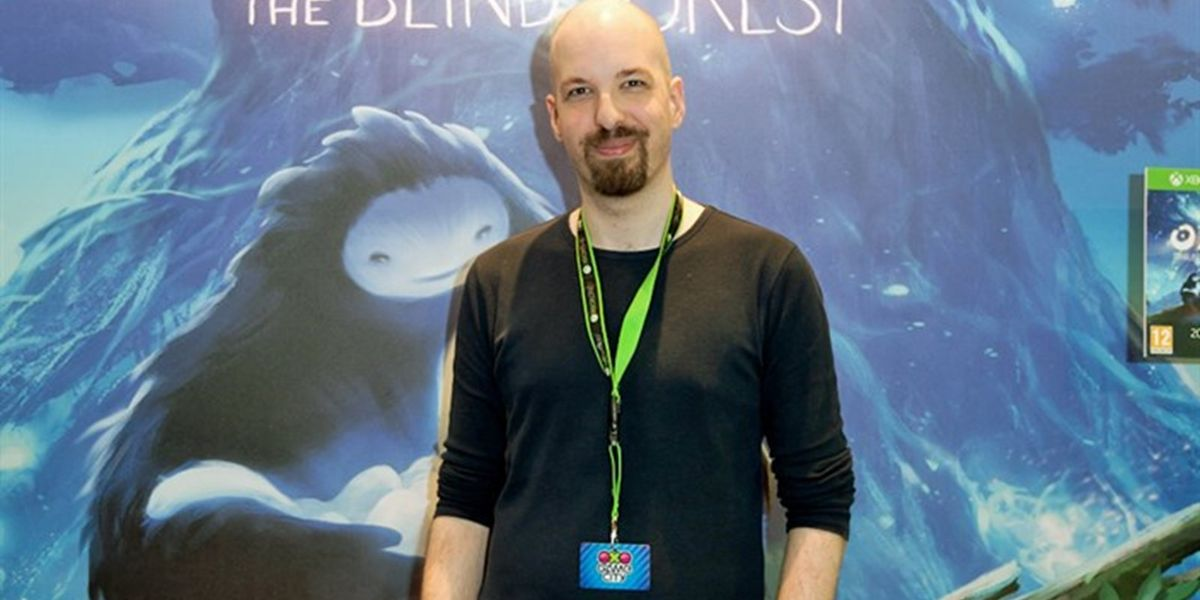
Moon Studios CEO and Creative Director Thomas Mahler has argued that Xbox Game Pass could have become a stronger and more sustainable subscription business, but Microsoft failed to deliver enough major first party games capable of becoming cultural events and keeping players subscribed every month.
Mahler shared his assessment in a lengthy public post while discussing the worsening uncertainty around Xbox Game Studios. Compulsion Games, Double Fine Productions, Ninja Theory, and other teams are reportedly negotiating possible exits from Microsoft as they attempt to avoid closure, a situation recently covered in Xbox Studios Reportedly Seek Buyouts As Closure Fears Spread Beyond Compulsion. According to Mahler, the fundamental Game Pass idea was not necessarily broken. The problem was that the service needed a consistent pipeline of new games strong enough to make players feel they would miss out by cancelling. He compared the model with television streaming, where audiences may keep paying for a service because it offers a deep catalogue of proven shows alongside new releases worth following.
Games create a more difficult retention problem because new releases matter heavily to players. A large older catalogue can add value, but subscribers still expect regular launches that feel important, relevant, and worth discussing. Mahler argued that Xbox needed first party games capable of becoming major cultural moments, but believed the company’s studios had not produced enough of them in recent years.
"You need those games your studios are producing to become smash hits, cultural events." Quote by: Thomas Mahler.
Mahler used Starfield as his central example, arguing that Bethesda should have delivered something resembling a modern Skyrim in space but instead released a game that did not reach the same cultural level. That comparison will remain controversial because Starfield was never originally designed solely as a Game Pass product, and its creative challenges cannot automatically be blamed on the subscription model. However, its launch still demonstrates the pressure placed on major Xbox releases when every new title is expected to drive subscriptions, premium sales, engagement, and platform relevance simultaneously.
Mahler also compared Game Pass with communism, arguing that developers may not have enough incentive to go beyond expectations when success is measured through subscription engagement rather than direct sales. "Game Pass, in some ways, is a little like Communism." Quote by: Thomas Mahler. It is an intentionally provocative comparison, but the more useful part of his argument concerns incentives. Subscription platforms must create agreements that reward developers when games become major successes instead of treating all content primarily as catalogue volume.
That does not mean Xbox lacked excellent games. Forza Horizon, Indiana Jones and the Great Circle, DOOM: The Dark Ages, Pentiment, Hi Fi Rush, and several third party releases gave Game Pass real quality. The service also added Call of Duty after Microsoft completed its Activision Blizzard acquisition. The problem is that quality alone does not automatically produce sustainable subscription growth, particularly when premium game sales and subscription engagement can pull in different directions.
A massive release added to Game Pass on day 1 may attract subscribers, but it can also reduce direct purchases from players who would otherwise pay full price. A weaker game may avoid major sales cannibalization, but it may not generate enough interest to influence subscription numbers. This creates a structural tension that cannot be solved only by increasing the number of games entering the catalogue.
Xbox has already changed how it handles that problem. The official Game Pass structure now reserves day 1 releases for Game Pass Ultimate and PC Game Pass, while lower tiers receive new Xbox published games later and exclude new Call of Duty releases. That policy gives Microsoft more flexibility around premium sales, release timing, and subscription pricing, but it also makes the original promise of Game Pass less universal.
The debate arrives as Microsoft attempts a wider strategic reset. The company’s internal direction Points To Third Party Exclusives And Potential M&A In Major Reset Memo, where leadership acknowledged that Xbox had become overextended across hardware, subscriptions, cloud gaming, acquisitions, and a large studio portfolio. Also examined the financial pressure in Satya Nadella Says Xbox Must Finally Become A Sustainable Business.
Mahler is right that Game Pass needed more undeniable first party hits, but the catalogue was not the only problem. Microsoft attempted to use one service to achieve several conflicting goals at once: grow subscriptions, support developers, sell premium games, strengthen Xbox hardware, expand PC reach, improve cloud adoption, and justify billions spent on acquisitions. Even a stronger run of games may not have solved every tension inside that strategy.
The real failure may have been expecting Game Pass to become the center of Xbox before Microsoft had built a consistently reliable first party production system around it. A subscription service can amplify a successful content pipeline, but it cannot permanently compensate for delays, uneven releases, studio instability, and changing platform priorities.
The reported danger facing Compulsion Games, Double Fine, and Ninja Theory now makes the situation more severe. Closing or separating creative studios may improve short term financial discipline, but it could also reduce the variety of games Xbox needs if it still wants Game Pass to feel essential. Microsoft needs major commercial successes, but it also needs distinctive games that give its ecosystem an identity beyond catalogue size.
Game Pass may not be dead, but its role is changing. It is becoming one component inside a broader Xbox strategy rather than the single answer to Microsoft’s gaming ambitions. Mahler’s comments capture the central lesson: subscriptions live through content, but content only thrives when studios have stable leadership, clear incentives, realistic schedules, and enough creative freedom to produce games players genuinely want to experience.
Question for readers
Was Game Pass held back mainly by Xbox’s first party output, or was the subscription model always too difficult to balance with premium game sales?
