
Framework Confirms Upcoming Memory Price Increase, Assures It Will Not “Overcharge” Customers
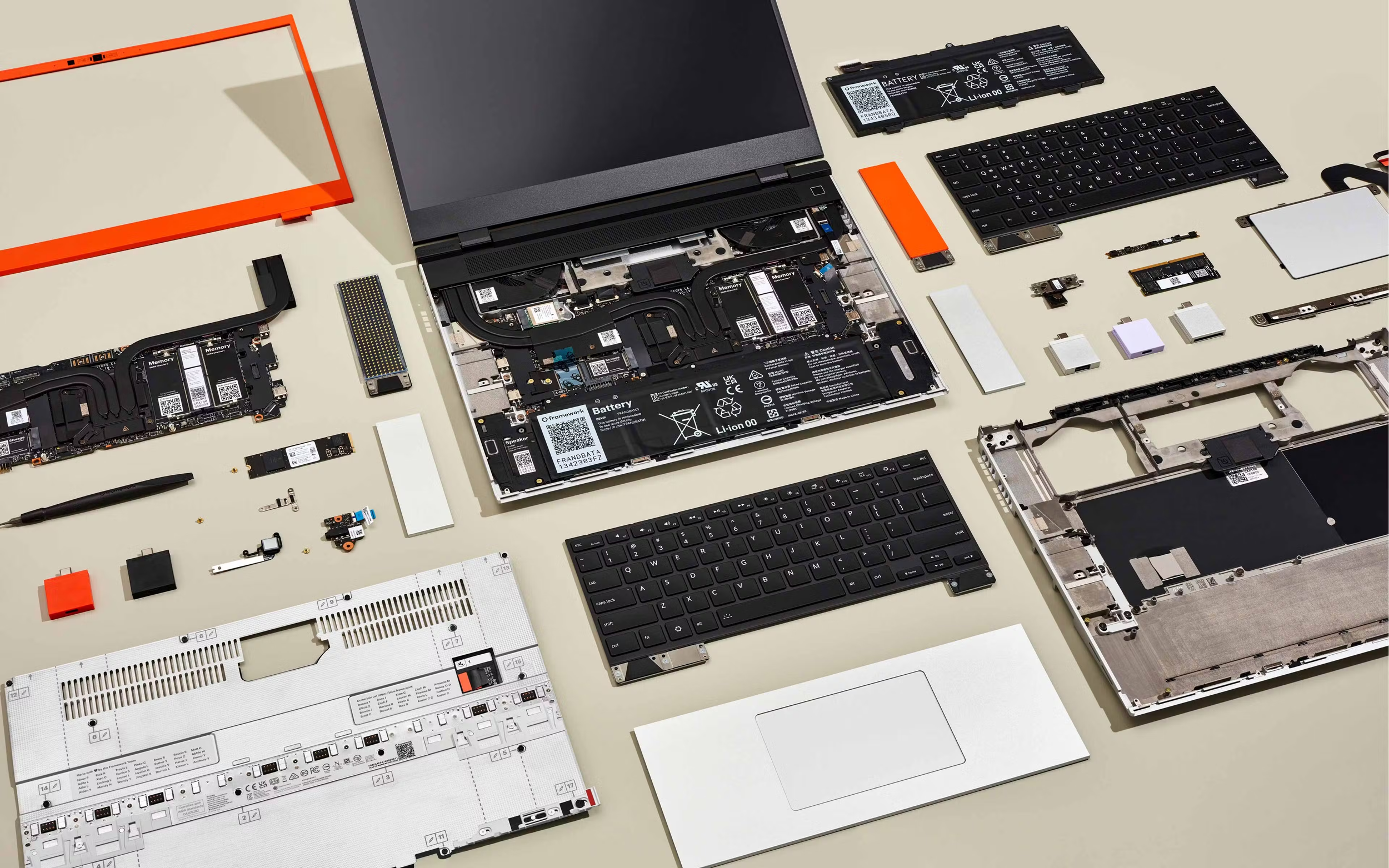
Framework, the modular computing company known for its consumer friendly upgrade philosophy, has announced that it will soon raise the price of memory upgrades in its pre configured systems. The adjustment comes in response to the mounting global DRAM shortage that has already triggered widespread price hikes across the PC hardware ecosystem. However, Framework emphasized that its new pricing will not reach the “absurd” levels seen from major OEMs such as Apple and Dell.
The update surfaced through a post shared by Framework’s official account on X, available via this Framework announcement. The clarification followed a viral post from Vadim Yuryev showing that upgrading a Dell XPS 13 laptop from 16 GB to 32 GB of memory now costs an astonishing $550. By comparison, Framework pointed out that the same upgrade on its systems is priced at only $80, underscoring that some OEMs are aggressively inflating memory pricing under the justification of global supply constraints.
We are going to need to increase our memory pricing soon, but we won’t use this as an excuse to gouge customers like @Dell apparently has and that @Apple does as their norm.
— Framework (@FrameworkPuter) December 9, 2025
The sharp increase in DRAM costs has already led integrators such as Adata, Corsair, and G.Skill to adjust retail prices. More significantly, industry watchers expect major vendors including Apple, Dell, and Lenovo to revise pricing as DRAM availability tightens across the supply chain. Framework emphasized that while it must raise prices to maintain inventory levels and protect margins, it intends to do so responsibly without exploiting customers.
The broader memory market paints a challenging landscape. Examples include a 192 GB DDR5 kit from Asgard priced at $1,200 and a 256 GB kit costing as much as NVIDIA’s flagship RTX 5090 graphics card. These extreme prices highlight how severe shortages have become, particularly for high capacity modules.
Looking ahead, analysts forecast the supply imbalance to persist until late 2026. Despite major investment from Samsung and others into general purpose DRAM expansion, a significant portion of new production capacity is expected to be prioritized for AI applications rather than consumer memory. This means shortages will likely continue filtering through the entire supply chain before reaching large OEMs which traditionally react last but most visibly in terms of pricing.
Framework’s proactive communication signals an intent to maintain trust with its user base while navigating an increasingly constrained market where memory has become one of the most volatile components to procure.
Do you think more OEMs should follow Framework’s approach and justify pricing changes, or is this level of transparency unrealistic for larger vendors?
