
Framework Confirms 50% DDR5 Price Increase for DIY Laptops as Memory Market Volatility Continues
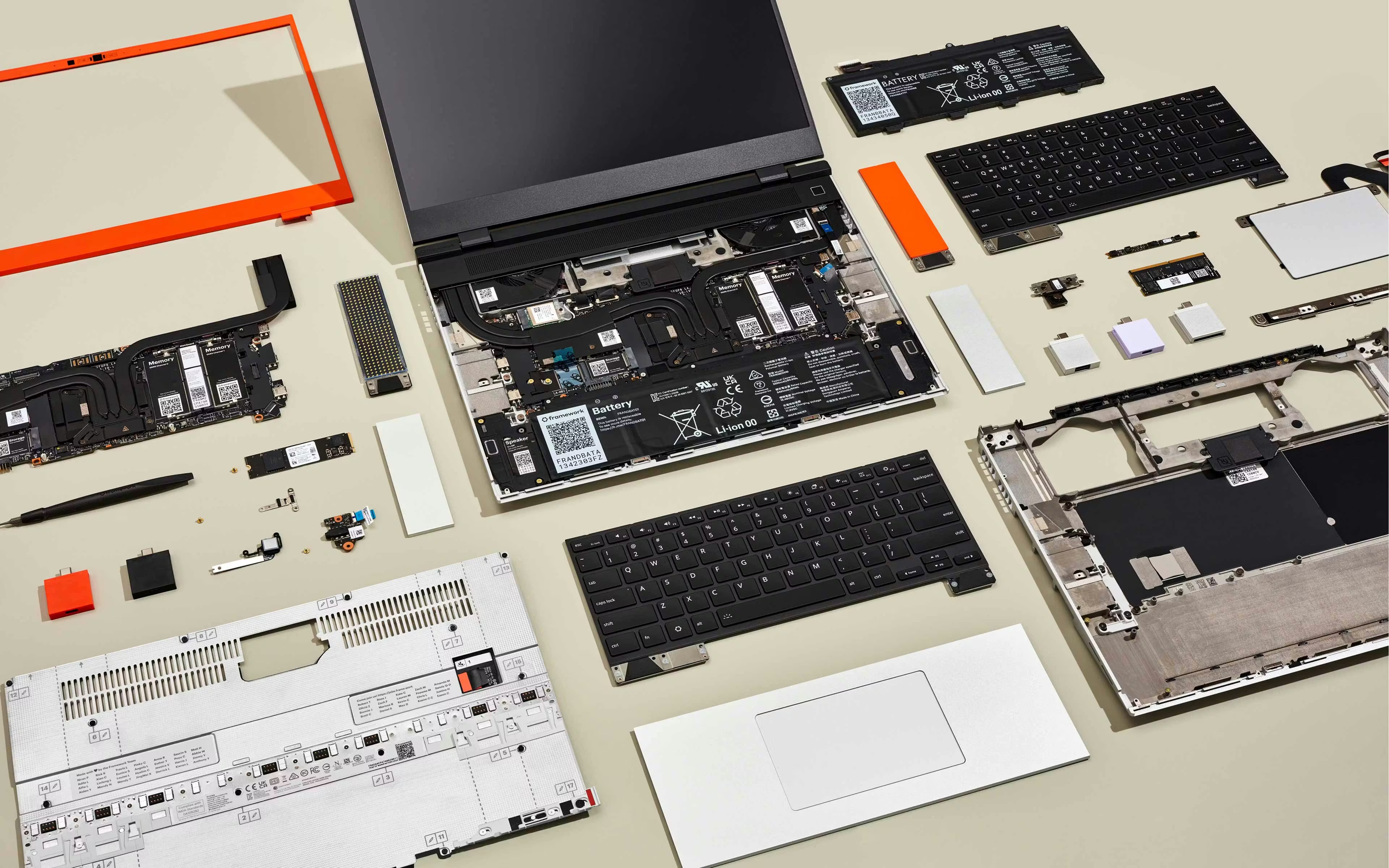
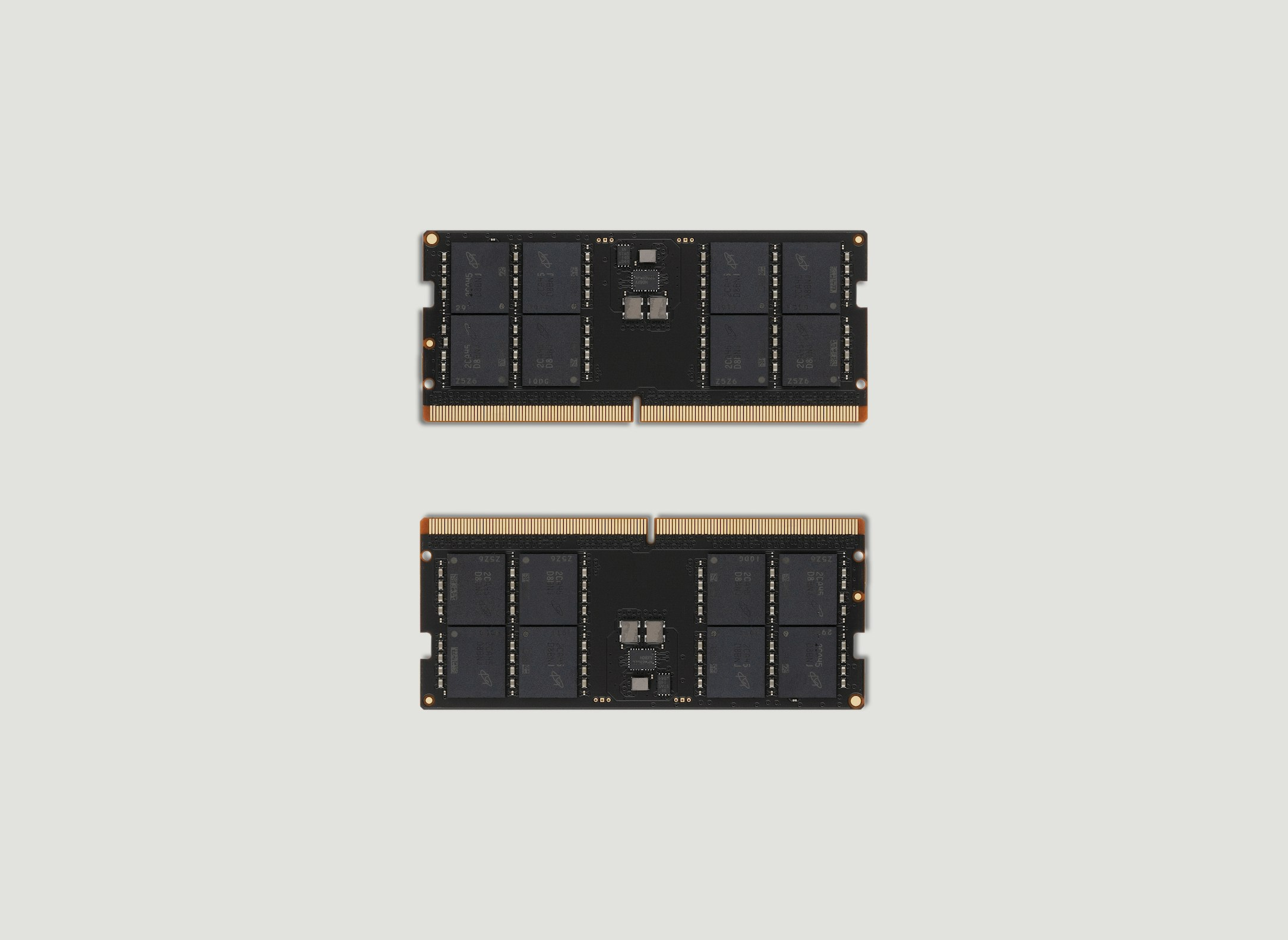
Framework has officially confirmed a significant increase in DDR5 memory pricing, marking one of the company’s most direct acknowledgements yet of the escalating pressure within the global DRAM supply chain. In a newly published Framework blog update on memory pricing, the company announced a 50% price increase on DDR5 memory configurations for its Framework Laptop DIY Edition, citing sharply rising supplier and distributor costs driven by worsening DRAM availability.
The decision was first signaled through an official statement on X via Framework’s verified account, where the company acknowledged that ongoing DRAM supply constraints are impacting nearly every segment of the memory ecosystem. With DDR5 spot pricing already increasing by three to four times compared to earlier levels, Framework’s move aligns with broader industry expectations that system integrators will be forced to adjust pricing structures to remain viable.
Framework clarified that the newly adjusted DDR5 pricing for DIY laptop orders remains below prevailing open market rates, despite the sharp increase. However, the company openly stated that this may not be the final adjustment. Products relying on DDR5, LPDDR5X, or GDDR memory are all at risk of further pricing revisions should market conditions continue to deteriorate. According to Framework, the current imbalance between supply and demand has left little room to absorb additional cost pressure without passing some of it downstream.
Importantly, Framework emphasized that existing pre orders will not be affected by this change. Customers who have already locked in their DIY laptop configurations will retain their original pricing. Additionally, Framework confirmed that pricing for pre built laptops and the Framework Desktop has not yet been adjusted. That said, the wording strongly suggests that further increases remain a possibility if DRAM constraints persist.
At present, the Framework DIY Desktop remains unaffected by the DDR5 price hike. The company’s Ryzen AI 300 based desktop platform continues to offer configurations with up to 128 GB of LPDDR5X memory starting at $1,999, positioning it as one of the most aggressively priced modular desktops in its category. However, given Framework’s acknowledgment of sustained market instability, it is increasingly likely that desktop memory pricing may also face adjustments in the future.
Framework reiterated its commitment to transparency, stating that users will be notified ahead of any future pricing changes. The company also pledged to lower prices again if memory market conditions stabilize and confirmed that it will continue attempting to absorb costs where possible to protect long term pricing stability. Despite these assurances, industry outlooks remain pessimistic. With major suppliers such as Micron stepping back from parts of the consumer DRAM market, supply tightness is expected to persist well into 2026, making a rapid return to normalized pricing increasingly unlikely.
Framework’s announcement reflects a broader industry reality. Memory pricing volatility is no longer a short term fluctuation but a structural challenge that is reshaping how PC manufacturers and consumers approach system configuration decisions in the DDR5 era.
Do you think DDR5 pricing pressure will force more manufacturers to follow Framework’s lead, or will consumers begin delaying upgrades until the market stabilizes?
