
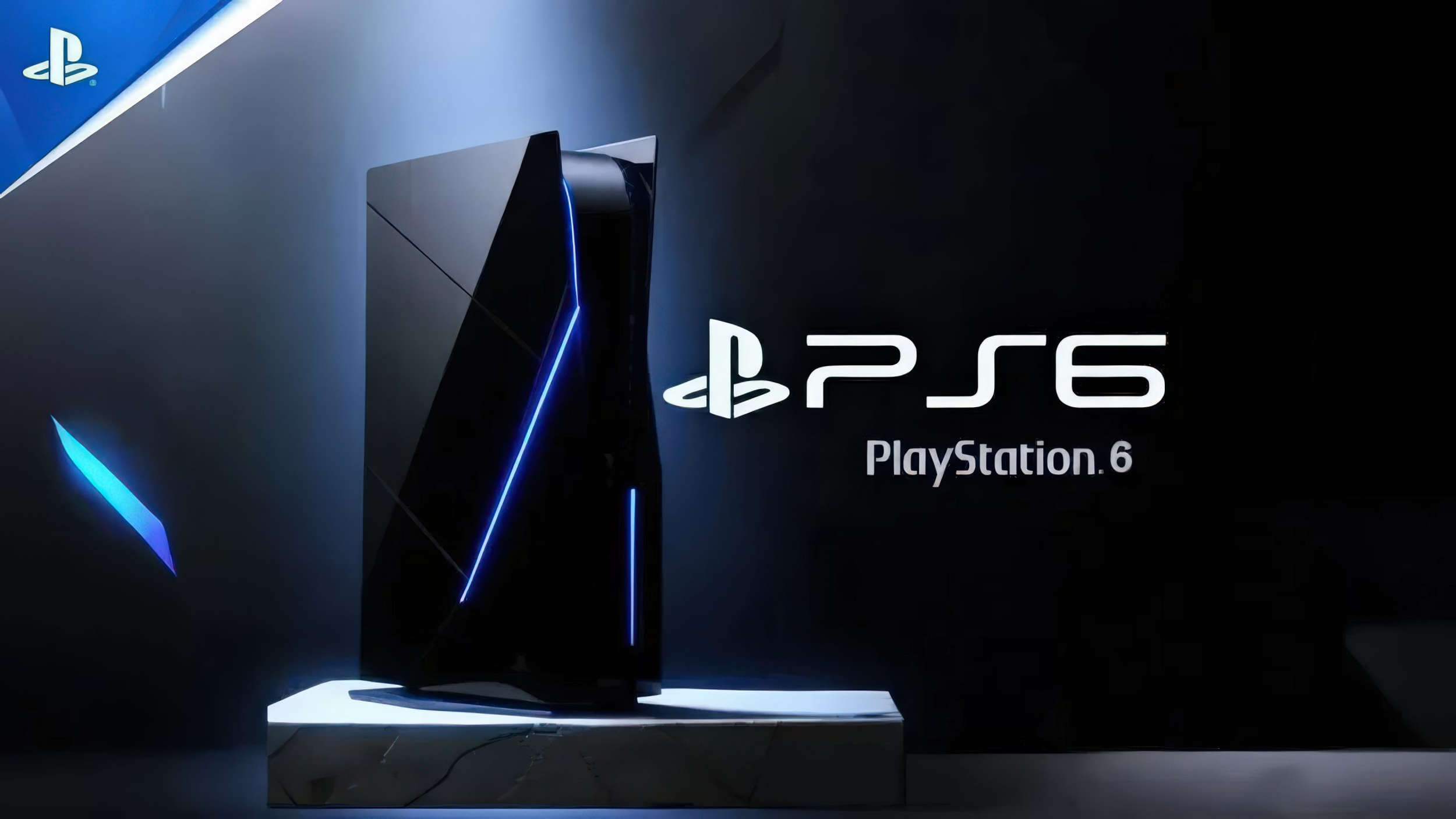
Former PlayStation Worldwide Studios chairman Shawn Layden believes Sony should prioritize affordability over raw computing performance when developing its next generation console. Speaking during an interview on The Trophy Room podcast, Layden questioned whether a PlayStation 6 focused primarily on additional teraflops and ray tracing capabilities would justify a potential $1,000 to $1,200 price tag, arguing that the industry should instead focus on making gaming hardware more accessible.
"The innovation needs to come not from making PS6 for $1,200. It's to make another PS5 for $300."
— Quote by: Shawn Layden, former PlayStation Worldwide Studios chairman.
Layden explained that previous console generations introduced substantial technological improvements, including the transition from PlayStation to PlayStation 2 and the expansion of connected gaming with PlayStation 4. However, he believes modern consoles have reached a point where additional graphical performance delivers increasingly smaller improvements for ordinary players. Rather than pursuing more powerful hardware, Layden suggested that developing a smaller and more affordable PlayStation 5 could represent a more meaningful innovation.
His comments arrive as rising semiconductor and memory costs continue affecting console manufacturing. Sony's April 2026 pricing adjustments increased the standard PS5 to $649.99, the Digital Edition to $599.99, and PS5 Pro to $899.99 in the United States. The PlayStation Portal also increased to $249.99, highlighting how hardware affordability has become an increasingly significant challenge across the gaming industry.
One possible alternative involves expanding cloud gaming through devices such as the PlayStation Portal. Sony officially introduced cloud streaming for PlayStation Plus Premium subscribers in November 2025, allowing users to access compatible digital PS5 games without owning or connecting to a physical PlayStation 5. The company subsequently introduced improved 1080p streaming quality and interface enhancements in March 2026, reporting a 162% annual increase in monthly cloud streaming users during January.
Sony has also been exploring AI assisted streaming technologies through patent applications designed to reduce bandwidth requirements and improve cloud gaming responsiveness. However, these technologies remain experimental, and the company has not announced plans to replace a traditional PlayStation 6 with a cloud focused device. Cloud gaming also introduces limitations involving network latency, regional availability, subscription requirements, and access to purchased games.
During its November 5 financial briefing, Sony confirmed that preparations for its next generation PlayStation platform are progressing as scheduled. Nevertheless, PlayStation 6 specifications, pricing, and release timing remain unannounced, making Layden's $1,200 scenario a warning about potential industry direction rather than an official price estimate.
Shawn Layden raises an important concern about the future of console gaming. Increasing graphical performance is valuable, but those improvements become less meaningful when hardware pricing prevents consumers from accessing the platform.
However, positioning cloud gaming as a replacement for traditional consoles introduces another problem: consumer ownership. A cheaper streaming device may reduce the initial investment, but players become increasingly dependent on subscriptions, internet connectivity, and continued service availability.
Cloud gaming should complement dedicated gaming hardware rather than replace it. Sony would provide greater long term value by prioritizing affordable consoles, efficient hardware, physical game support, and backward compatibility while maintaining cloud streaming as an optional service.
The next console generation should deliver meaningful performance improvements without turning gaming into an increasingly expensive ecosystem that users cannot fully control.
Would you prefer a $300 PlayStation 5 with affordable games, a more powerful $1,200 PlayStation 6, or a cheaper cloud gaming device that requires a subscription?
