
Ubisoft Confirms Imminent Closing of Strategic Tencent Transaction Valued at 1.16 Billion Euro
Ubisoft has officially confirmed that its long awaited strategic transaction with Tencent is now on the verge of completion, following the release of the publisher’s delayed quarterly and half year FY 2026 financial results. The full report is available through Ubisoft’s financial release for the period.
While early industry speculation suggested the delay was tied to Tencent potentially acquiring Ubisoft outright, the completed agreement reveals a different strategy. Tencent will instead acquire a minority stake in Ubisoft’s newly created subsidiary, Vantage Studios, through a 1.16 billion euro cash infusion. This approach strengthens Ubisoft’s financial foundation while enabling the company to accelerate growth across its flagship franchises.
Chief Executive Officer Yves Guillemot emphasized the significance of the agreement, stating that the closing of the Tencent transaction represents a pivotal milestone in Ubisoft’s ongoing transformation. The deal will support Ubisoft’s plan to deleverage while granting Vantage Studios the financial and operational autonomy required to scale its biggest intellectual properties under a dedicated leadership structure.
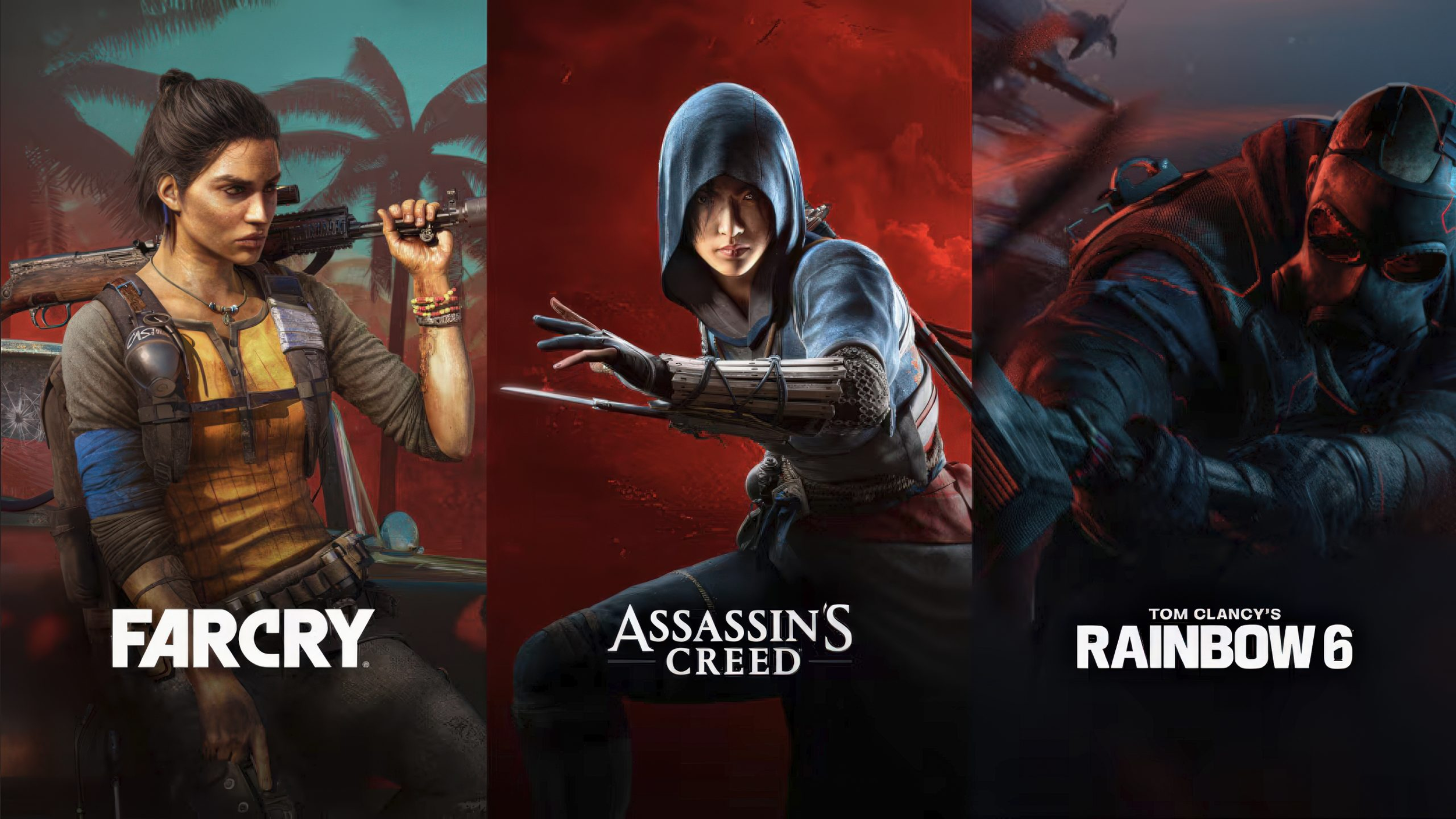
Vantage Studios was formally introduced on October 1 as a specialized Ubisoft division that will focus exclusively on expanding Assassin’s Creed, Rainbow Six, and Far Cry. According to Guillemot, the organizational design of Vantage Studios is expected to be finalized by the end of 2025, with a full operational model scheduled for disclosure in January 2026.
Across the reporting period, Ubisoft delivered a solid quarter and strong semester. Net bookings reached 491 million euro for the quarter, marking a thirty nine percent year over year increase, while the semester delivered 772 million euro, a twenty percent year over year rise, outperforming guidance. Ubisoft attributes this performance to several stronger than anticipated partnership channels, including meaningful contributions from live television projects and animated series. Notably, Netflix’s Tom Clancy’s Splinter Cell: Deathwatch debuted to strong critical reception, which the publisher says reinforces the positioning of the upcoming Splinter Cell remake.
Although external reports earlier this year suggested softer than expected sales for Assassin’s Creed Shadows, Ubisoft clarified that the franchise delivered an overperformance during Q2. The Shadows title benefited from the Claws of Awaji expansion, the New Game Plus update, and a surge in player engagement. To date, the franchise has generated two hundred eleven million session days for the year, a figure approximately thirty five percent above the two year average.
Rainbow Six did not mirror that momentum, with Ubisoft citing an unexpected spike in cheating activity that affected both engagement and monetization. The publisher confirmed that the development team has already secured more resources and expanded its hiring roadmap to implement a reinforced anti cheating strategy.
The Division 2 also delivered a strong performance, boosted by the Battle for Brooklyn expansion, continuous seasonal content, and renewed player acquisition. Engagement climbed throughout the quarter, reaching the highest Q2 session day level since FY2020 to FY2021. The title has already surpassed last year’s total annual net bookings.
On Massive Entertainment’s front, Ubisoft reported that Star Wars Outlaws has been well received on Nintendo Switch 2, while Avatar Frontiers of Pandora achieved strong quarterly momentum ahead of the From the Ashes expansion and the anticipated third person gameplay update. The timing of these updates strategically aligns with the upcoming film Fire and Ash, positioning Massive’s portfolio for sustained engagement.
As Ubisoft finalizes its strategic partnership with Tencent and appears poised for a renewed investment cycle under Vantage Studios, the publisher is positioning itself for a more stable and focused growth trajectory across its most influential brands.
What do you think Tencent’s entry as a minority stakeholder means for the future of Ubisoft’s flagship franchises? Share your thoughts in the comments.
