
Expeditions: Samurai Sends Players Into Sengoku Japan as a Privateer Instead of William Adams
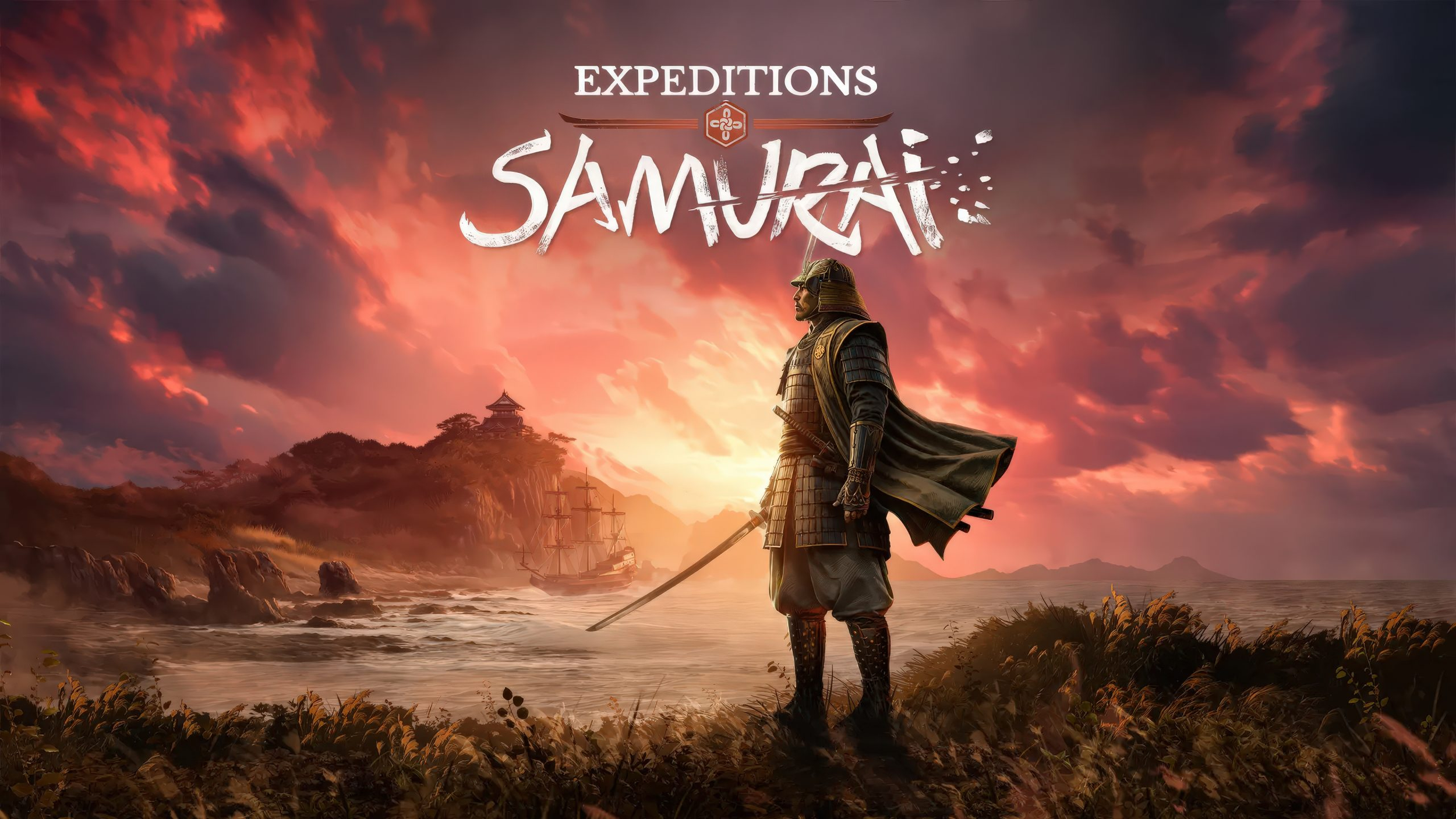
THQ Nordic has announced Expeditions: Samurai, the next entry in the historical RPG series, with developer Campfire Cabal taking players into feudal Japan during the Sengoku period. The Copenhagen based studio was founded in 2022 and is made up largely of former Logic Artists developers, carrying forward the legacy of the Expeditions IP after Logic Artists was closed.
During a media presentation, the team explained that it still sees itself as the creative force behind Expeditions, a series that has sold just over 1.3 million copies across its previous entries. The announcement also comes after a difficult period for the studio in 2023, when the team was nearly shut down before rebuilding with support from THQ Nordic.
For players unfamiliar with the franchise, Expeditions is built around historical RPGs that blend real people, real places, and real events with player choice. The result is a grounded historical framework where the player can reshape how events unfold. The team describes its audience as older, around 20+, with a focus on strong storytelling, tactical decision making, and long term consequences.
Expeditions: Samurai is set in 1600, shortly before the Battle of Sekigahara, the defining conflict that ended the Sengoku period and helped usher in a new era under Tokugawa Ieyasu. The setting also takes place roughly 50 years after the first Europeans arrived in Japan, meaning the protagonist is not treated as the first foreigner the Japanese have ever seen. However, the team notes that the protagonist is the first Protestant, which will matter to the story.
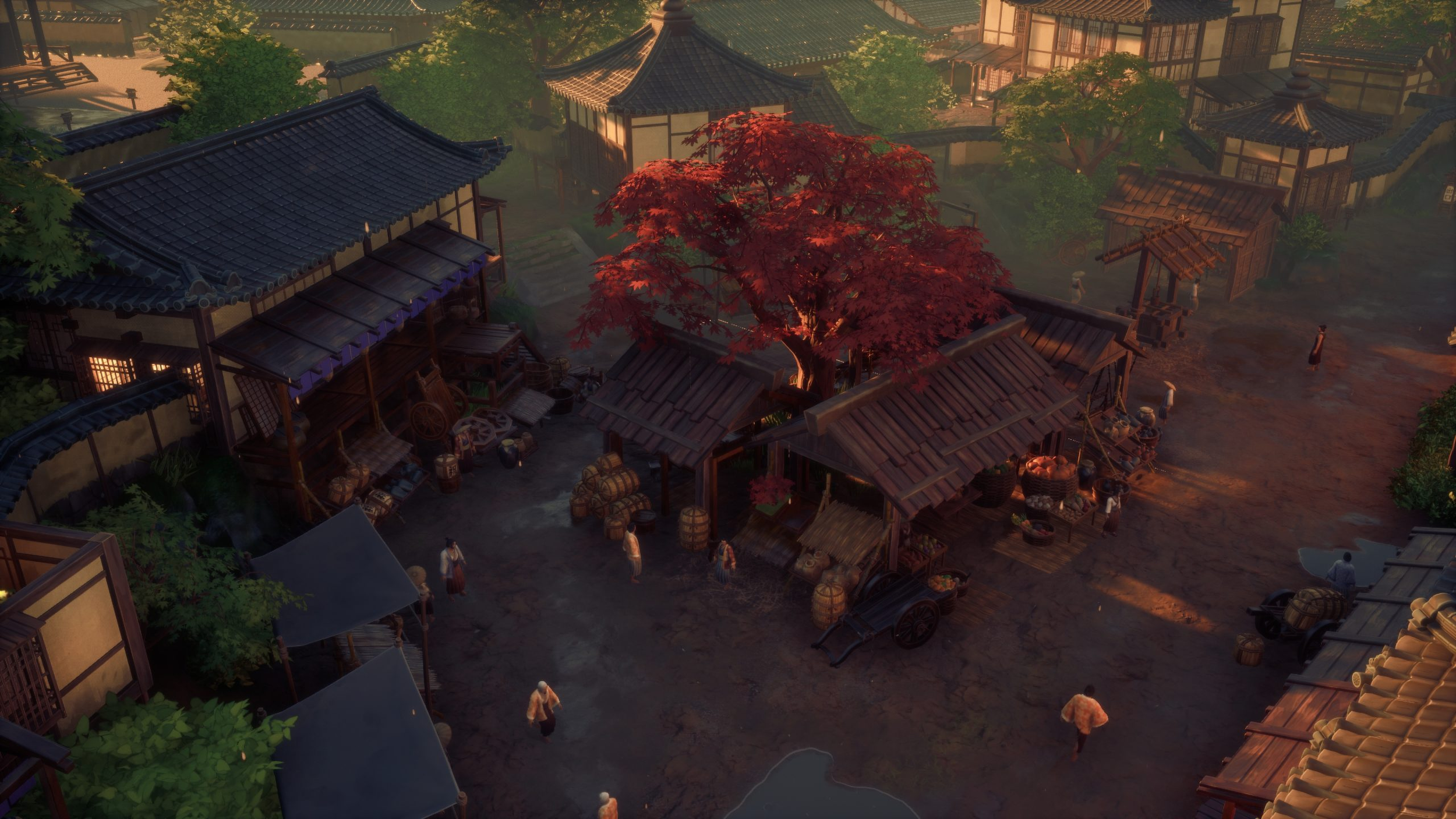
The premise immediately connects to the real historical figure William Adams, the English navigator who arrived in Japan in 1600 and later became the first European granted the title of Samurai. However, Expeditions: Samurai does not cast players as Adams himself. Instead, players arrive in Japan before him as the leader of a privateer crew aboard the Dutch frigate De Albatros.
That choice is important because it gives Campfire Cabal more flexibility. By not making players directly control William Adams, the studio can explore the political intrigue, cultural tension, and military drama of the period through a fictional figure placed inside real historical events. Players will be pulled into a civil war nearing its climax, interacting with powerful warlords and shaping their role in Japan’s future.
The developers said Japan was chosen partly because fans overwhelmingly wanted the series to go there. However, the team did not want to create a fantasy version of Japan. Expeditions: Samurai is still designed as a grounded historical RPG, using the Sengoku period as the foundation for a fictionalized story shaped by player decisions.
The art direction also marks a shift from Expeditions: Rome. Campfire Cabal wants to keep historical authenticity while bringing back more personality and expression, closer to the feeling of older Expeditions titles. The studio calls this approach detailed realism. The goal is not fantasy stylization, but a vivid and characterful version of history that still feels believable.
Expeditions: Samurai is being developed in Unreal Engine 5, and the team wants that technology to be visible in the final presentation. That should help the game deliver richer environments, stronger lighting, and a more atmospheric version of Sengoku Japan while preserving the series’ grounded identity.
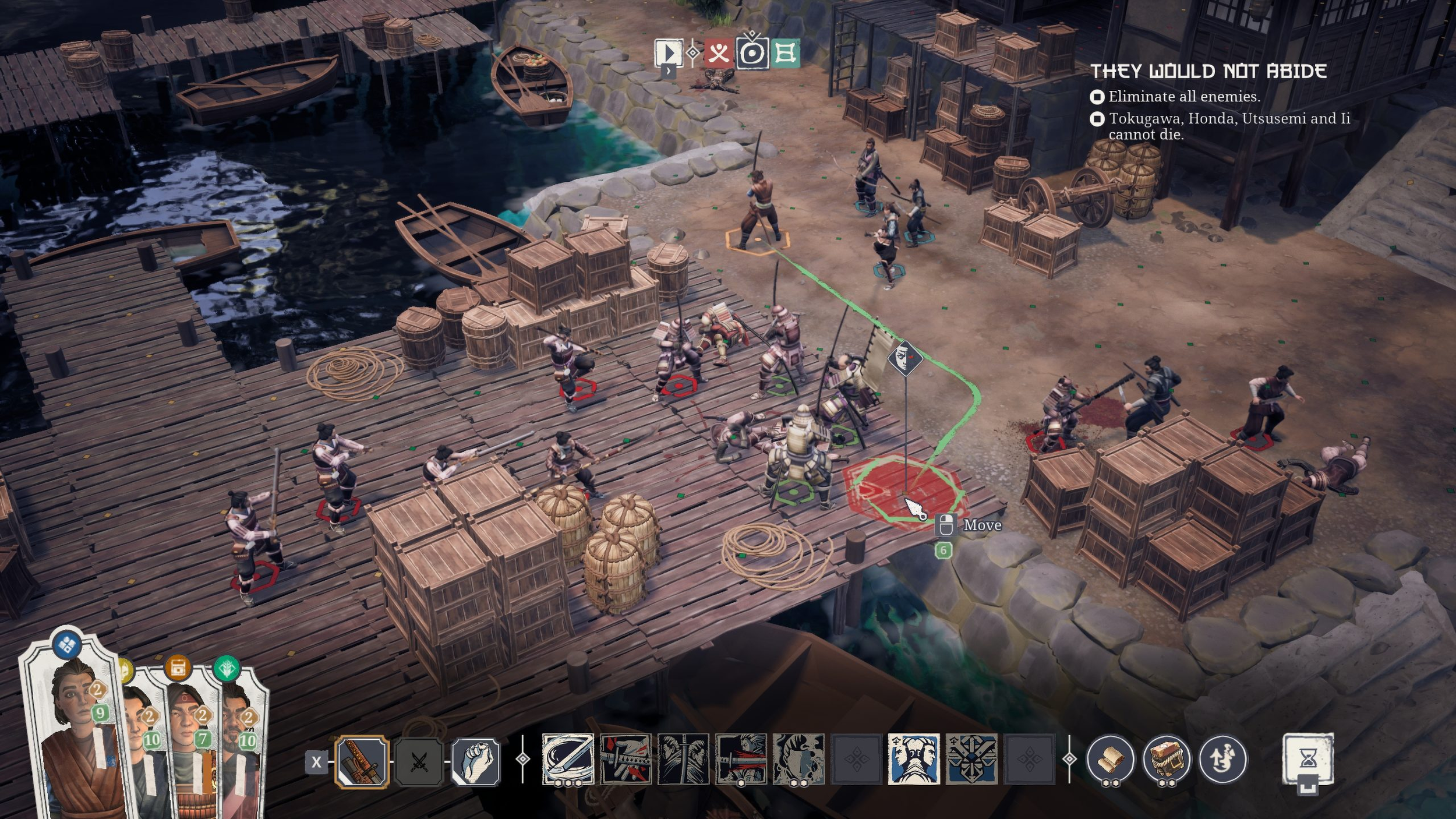
The core gameplay follows the Expeditions formula of real time exploration and turn based combat. Campfire Cabal describes combat as cerebral rather than luck driven, with success built around tactical understanding instead of heavy reliance on dice rolls. Character classes remain a major part of the design, and replayability is expected to be high because different classes can meaningfully change how players approach quests, combat, and choices.
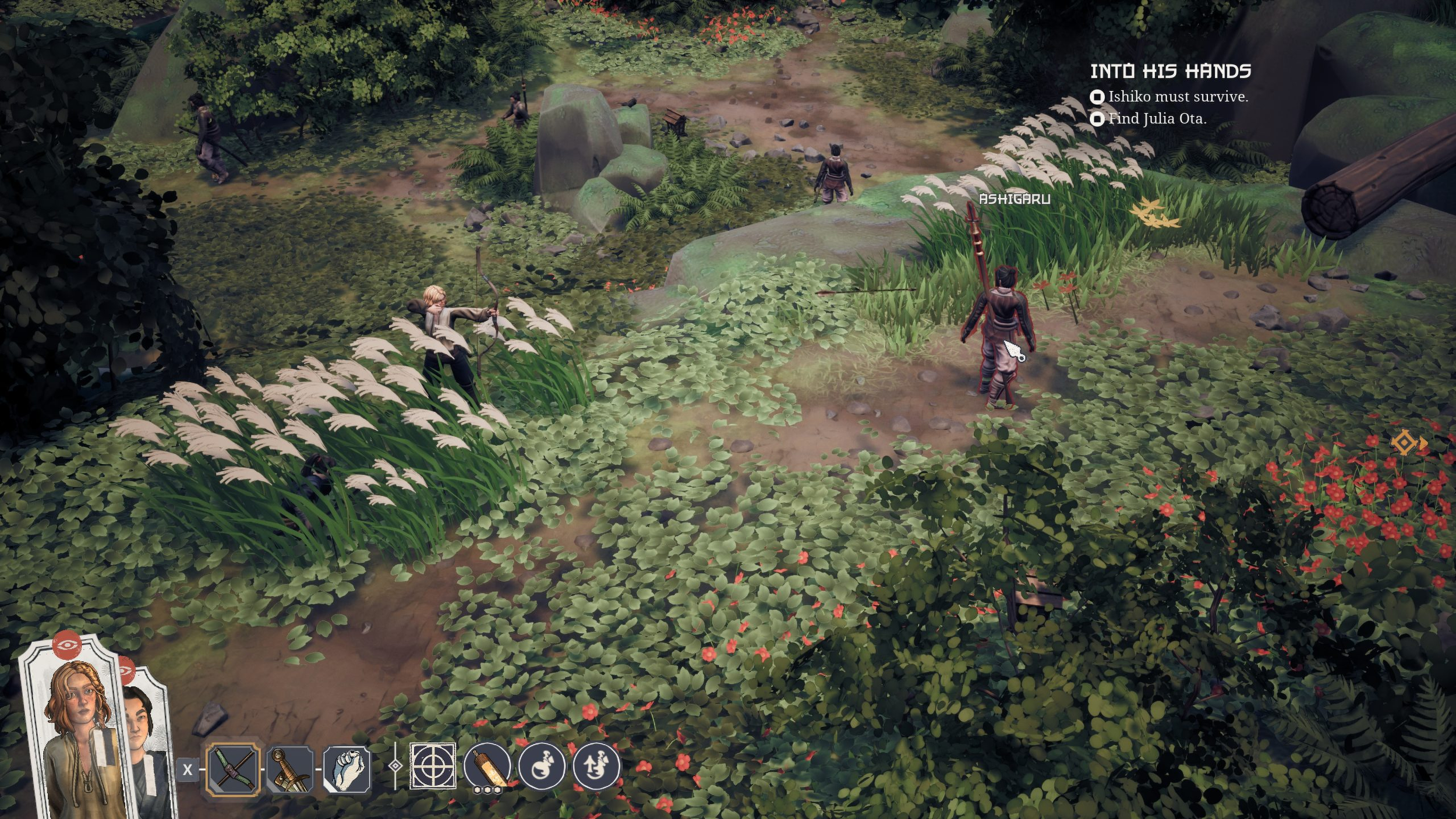
Choice and consequence remain central pillars. Players can resolve problems through violence or diplomacy, but Expeditions: Samurai also introduces stealth as a major third path for the first time in the series. The new dynamic combat initiation system lets players sneak, split the party, position characters, and trigger surprise attacks from stealth.
Stealth can also be used outside combat to distract enemies, deploy smoke bombs, manipulate patrols, and avoid direct confrontation. According to the developers, many encounters can be bypassed entirely if players master stealth. The enemy AI supporting this system was built by veterans of the Hitman series, which gives the stealth layer a stronger foundation than a simple add on feature.
The game also includes deep character management. Players will need to manage resources, injuries, weapons, armor, and party survival. As the story develops, players can become a samurai lord or lady of a village in service to Tokugawa Ieyasu. This introduces village management elements, allowing the player to build and shape a local power base while also participating in larger historical events.
Major moments such as the Battle of Sekigahara will appear, depending on player choices. The game also allows players to roam a large world map and tackle quests in the order they prefer, giving the campaign a more open structure while maintaining its historical focus.
Companions are also receiving more attention than in previous entries. Expeditions: Samurai will feature 8 companion characters, each with a personal quest line. The developers said they wanted to invest more deeply in companion relationships this time because previous Expeditions titles did not always have the resources to expand those bonds as much as the team wanted.
These companions can become friends, enemies, or romance options, and every companion is romanceable. Campfire Cabal is positioning this as a major emotional pillar of the game, with the expectation that players will form strong attachments to their party across the campaign.
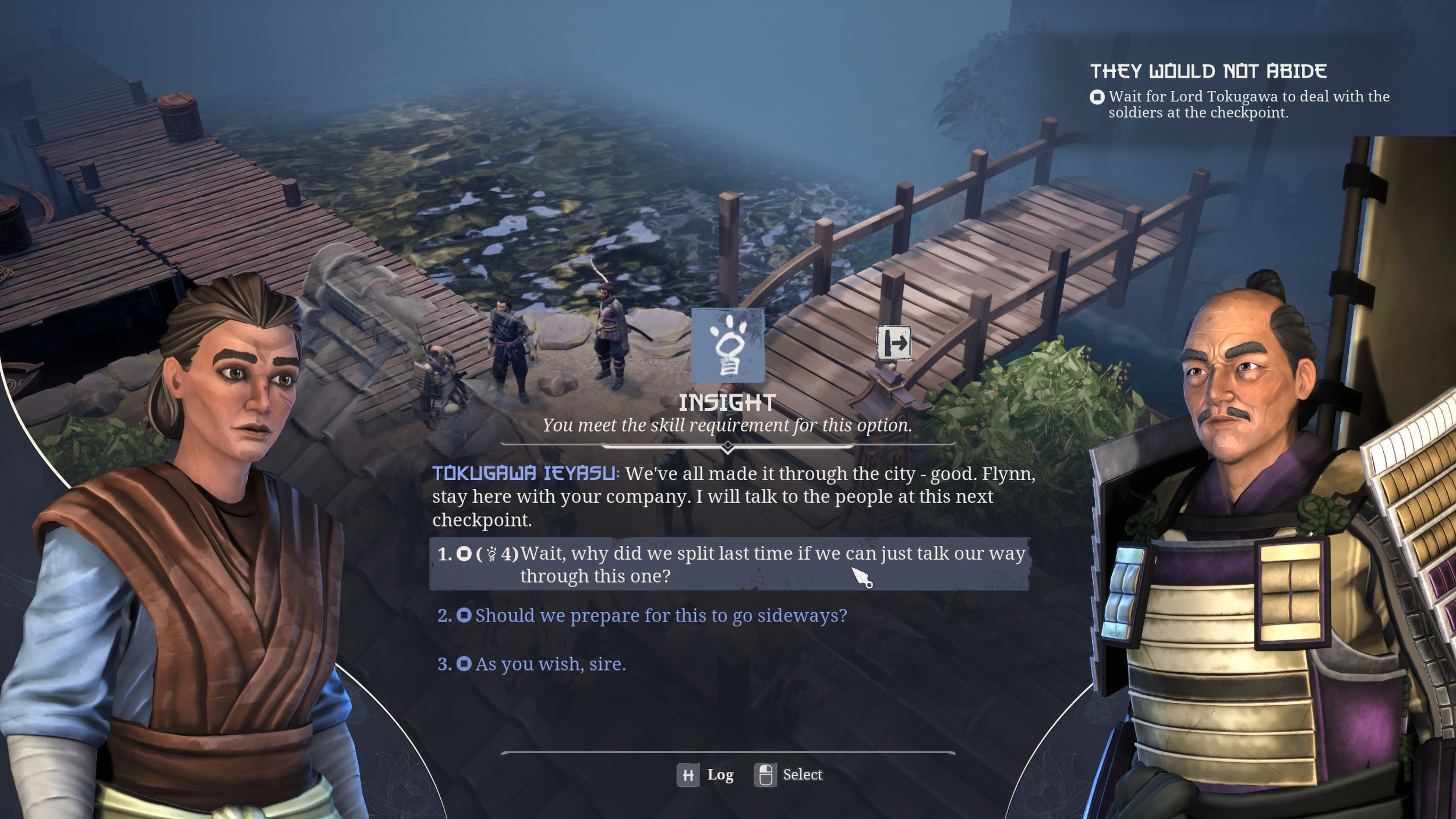
One of the biggest new features is full 2 player campaign co op. This is the first time the series has supported true co op, replacing the older makeshift hot seat style approach. Co op uses simultaneous combat resolution, meaning both players can move, plan, and prepare actions at the same time before ending their turns.
Dialogue is also shared in co op. One player can speak while the other observes, and control of conversations can be swapped between players. The system also considers both characters’ skills during dialogue checks, opening additional options. Drop in, drop out support means a campaign can move between solo and co op without disrupting progression.
Expeditions: Samurai is also being built with full controller support from the ground up. This includes support for DualSense, Xbox controllers, handheld devices, and custom controllers. The team emphasized that this is a core design consideration, unlike in Expeditions: Rome, where controller support was not as central to the experience.
Difficulty settings will include customizable tuning for different systems, including combat and resource management. The developers want to support different player preferences without flattening the tactical depth that defines the series.
Expeditions: Samurai is planned to launch in Early Access on Steam in August. The Early Access version will include Act 1, which the studio estimates at around 8 hours of quests and describes as almost feature complete. After launch, the team plans 3 major updates before version 1.0, including 2 gameplay updates and 1 story update that unlocks Act 2.
The full 1.0 release is planned for early 2027. At launch, the game is expected to include 4 main story acts and around 60 hours of total playtime. The team is also targeting 45+ levels, 100+ events and encounters, and a large explorable world map.
PC is the primary platform for Early Access and the full release. Campfire Cabal is also testing on Steam Deck and working to make the game perform well on handheld devices. Console plans have not been finalized, though the team said a console release may happen later depending on performance. The studio is not currently promising a Nintendo Switch 2 version, but it could be considered in the future.
The developers also confirmed that no generative AI was used in the creation of Expeditions: Samurai. According to the team, everything shown in the game was made by a human being, and the studio is not a fan of generative AI use in development.
Expeditions: Samurai looks like a strong evolution of the series, combining historical strategy, tactical combat, stealth, companion relationships, village management, and co op into a more ambitious RPG structure. By placing players in Sengoku Japan as a fictional privateer instead of William Adams, Campfire Cabal is giving itself room to respect history while still letting player choice reshape it.
Would you rather shape history through diplomacy, stealth, or open combat in Expeditions: Samurai?
