
Every One of Our IPs Could Be Some of the Greatest Linear Media Experiences Says Blizzard President
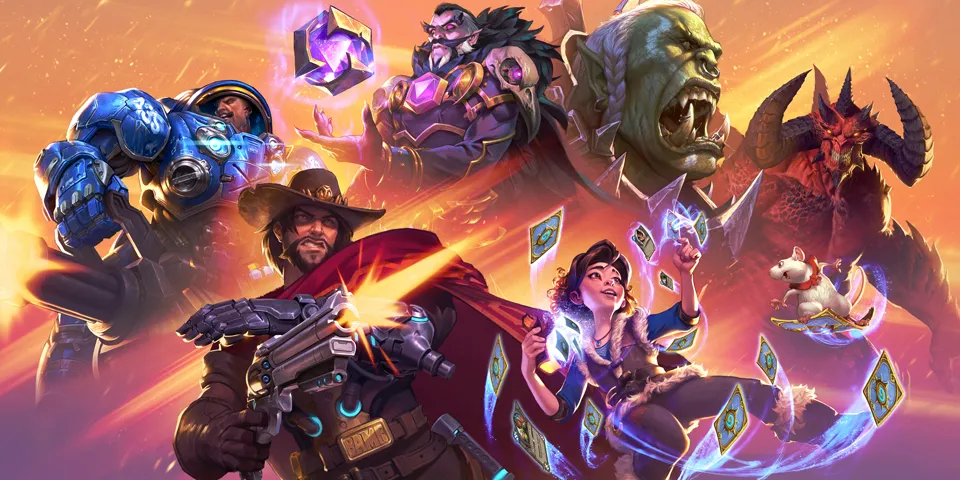
Blizzard Entertainment is positioning itself for a broader entertainment play, with president Johanna Faries signaling that the company wants its franchises to expand far beyond games and into film and television. In an interview with Variety, Faries emphasized that Blizzard’s identity is not limited to interactive releases and that the company aims to reach audiences across every screen possible, while also building new fandoms that may not already be invested in its 35 year legacy.
Faries framed the next chapter as a deliberate shift toward a more aggressive transmedia strategy, describing near term conversations across almost all of Blizzard’s worlds about what could work, which formats fit best, and which creative teams can execute adaptations at a high caliber level. Her strongest signal was the confidence statement that every Blizzard franchise could become one of the greatest linear media experiences, a remark that reads like a clear internal mandate to explore serious production partnerships rather than treat Hollywood as a side quest.
This is a notable pivot in tone because Blizzard historically has not converted its biggest universes into sustained film or television momentum. The obvious reference point remains the Warcraft live action film released in 2016, reportedly produced on a 160 million budget, which did not translate into a long running cinematic runway, especially in the North American market. Since then, major Blizzard worlds like Warcraft, Diablo, StarCraft, and Overwatch have largely stayed locked inside games, cinematics, and esports, leaving fans to imagine what premium storytelling could look like if these settings were treated with the same seriousness as modern prestige adaptations.
The timing is also important. The broader industry has changed its posture on game adaptations in the last few years, with multiple projects proving that audience scale is there when studios respect the source material and invest in the right showrunners, writing rooms, and production pipelines. Faries appears to be pushing Blizzard toward that modern template, where success is less about simply licensing an IP and more about building the right creative coalition and protecting the DNA that made the franchise iconic in the first place.
If Blizzard truly commits, the upside is massive. Warcraft has established political drama, faction identity, and multi era scope. Diablo can deliver gothic horror and serialized dread that fits premium streaming. StarCraft has the ingredients for high stakes science fiction with faction warfare and character driven arcs. Overwatch is practically built for ensemble storytelling and episodic arcs with global stakes. The market opportunity is real, but execution will be the deciding factor. Adaptations rise or fall on tone fidelity, character writing, pacing discipline, and whether the project chooses a format that naturally fits the world instead of forcing it into a template.
The key takeaway from Faries’ comments is not that Blizzard might do something someday. It is that the company is actively evaluating multiple pathways right now, and that it wants to operate as Blizzard Entertainment in a literal sense, treating its IP portfolio as a multi platform content engine rather than a games only pipeline. If that strategy translates into greenlit projects with strong creative leadership, Blizzard could finally unlock the mainstream reach its worlds have always hinted at.
If you could choose only 1 Blizzard franchise to adapt into film or a premium streaming series, which would you pick, Warcraft, Diablo, StarCraft, or Overwatch, and what format would fit it best?
