
Even China’s Largest Chip Company SMIC Warns DRAM Shortages Are Forcing Customers to Rethink Chip Orders
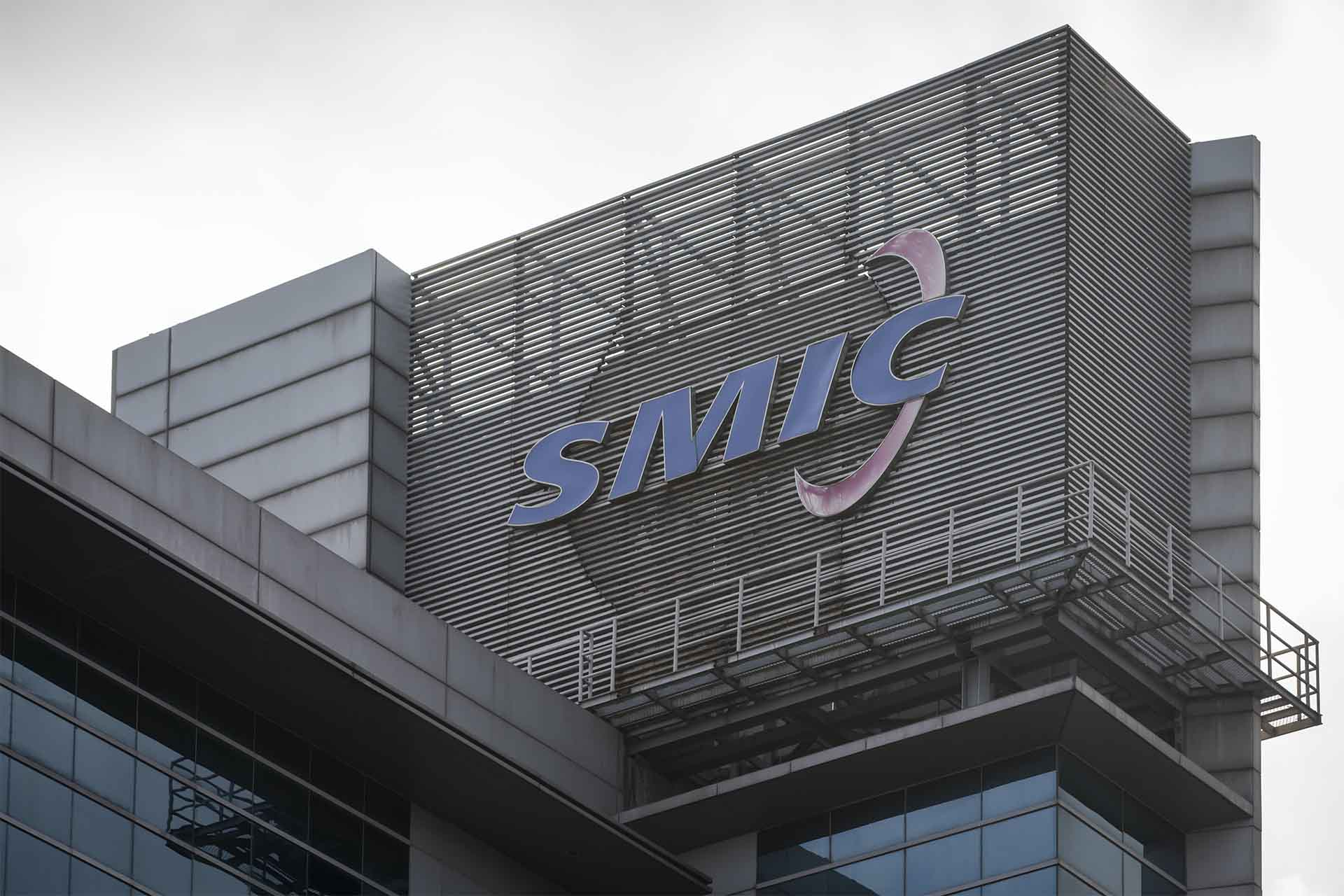
China’s biggest foundry is signaling that the DRAM crunch is no longer a problem limited to memory vendors and GPU supply chains. Semiconductor Manufacturing International Corp, better known as SMIC, is now framing the current memory market as a supply chain risk that can ripple outward into foundry planning, smartphone and PC production, and even the timing of product launches, especially for cost sensitive consumer devices.
First report Nikkei Asia, around the company’s latest earnings discussion, SMIC co CEO Zhao Haijun described the market as being in crisis mode, with memory related chips and power related chips in significant undersupply and customers racing to secure memory before it becomes even harder to source at workable pricing. That creates a familiar chain reaction across the industry. When key components like DRAM tighten, downstream brands either overbook supply to protect production schedules or pull back orders to avoid getting stuck with excess inventory and inflated bills.
Zhao’s message to customers was clear. Cutting foundry orders in response to DRAM shortages can look safe in the short term, but it can backfire when supply normalizes and demand snaps back. SMIC’s logic is operational, not emotional. Foundry capacity is planned and booked far in advance, and if customers step away now, they may not be able to reclaim the same slot when they suddenly need wafers to ramp products again. In other words, DRAM scarcity can temporarily slow device production, but semiconductor capacity constraints can become the longer lasting bottleneck once memory availability improves.
SMIC also pointed at a key accelerant behind the crunch. Parts of the channel have reportedly been stockpiling memory in anticipation of selling into undersupply at higher prices. If that behavior is widespread, inventories could eventually unwind when new capacity comes online later in 2026, which may soften the market temporarily. Even so, the broader capacity story suggests the memory situation may remain structurally tight, with SMIC indicating meaningful output increases may not arrive until 2027.
The bigger takeaway for gamers and PC builders is that DRAM scarcity is now influencing strategy at the foundry level, not just at the retail level. If device makers cannot reliably secure memory, they may delay launches, ship lower volume runs, or prioritize premium SKUs where margins can absorb higher component costs. That tends to mean fewer budget friendly builds, less aggressive discounting, and more pressure on entry and mid tier segments until supply and pricing stabilize.
Do you think this DRAM supercycle pushes PC brands toward higher priced premium SKUs, or do you expect a faster correction once new capacity lands in 2026?
