
Epic CEO Tim Sweeney Says Apple “Junk Fees” Will Keep Fortnite Off iOS in Japan
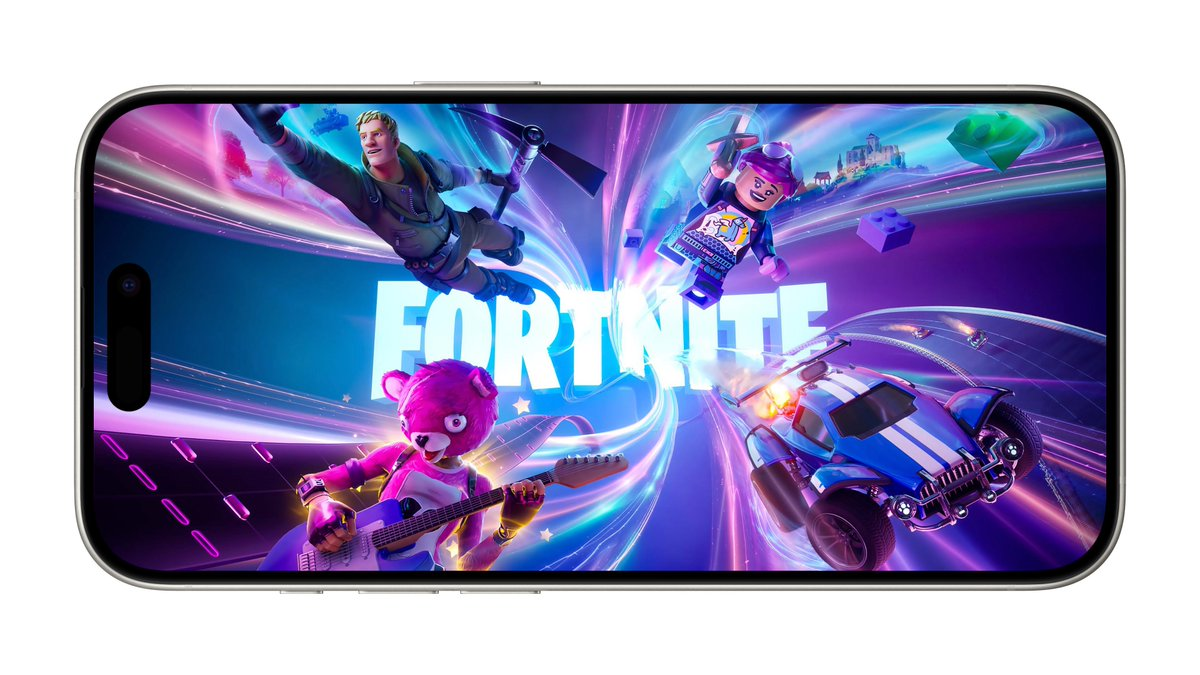
Epic Games and Apple may have traded blows in court and in public for years, but Epic CEO Tim Sweeney is signaling the fight is still very much alive, especially in Japan. Even after Apple began allowing third party app stores to operate in Japan under the country’s Smartphone Act, Sweeney says Epic will not bring Fortnite back to iOS in that market, citing what he calls new Apple imposed fees and monitoring requirements that would undermine real competition.
Sweeney argues Apple is using its position as the platform gatekeeper to constrain alternative distribution and payments, rather than enabling a genuinely open environment. His core complaint is that Apple’s Japan terms attach significant costs to purchases that happen outside Apple’s own payment rails.
Sweeney says Apple is imposing a 21% fee on third party in app payments, and a 15% fee for purchases made on the web, describing them as competition crushing “junk fees.” He also claims Apple is applying a new 5% fee on revenue from apps distributed by competing stores, and plans to surveil transactions through a mandatory reporting API. In his view, these conditions are incompatible with what consumers and developers expect when a market is supposed to be opening up.
They're imposing a new 5% junk fee on all revenue from apps distributed by competing stores, and intend to surveil all transactions within them using a mandatory reporting API: https://t.co/FNgLCWhyNN. This is an egregious Apple imposition on distribution and payments they have…
— Tim Sweeney (@TimSweeneyEpic) December 18, 2025
This position also ties directly into the most recent legal momentum in the United States, where Apple has been compelled to allow access to external payment methods and enable Fortnite’s return in the App Store. A good overview of that requirement is outlined in this report from Paddle coverage of the external payment links order.
The most significant recent turning point in the case arrived on 2025 04 30, when Judge Yvonne Gonzalez Rogers found Apple in willful violation of the 2021 injunction and barred Apple from collecting commissions on purchases made outside the App Store. That ruling is detailed in this Bloomberg report on the 2025 04 30 decision.
Apple appealed, and the United States Court of Appeals for the 9th Circuit later agreed with the spirit of the ruling while determining that the commission prohibition went too far in parts, sending the matter back to the district court. The court’s language is captured in this 9th Circuit order PDF, which states the April 30 order was reversed in relevant part and remanded, while otherwise affirming it.
That combination is what makes this moment so combustible for Apple globally. Sweeney’s position implies that even when regulation or courts force Apple to open specific doors, Apple can still design the economics of access in a way that limits the benefit to competitors, especially when distribution and payments are tied to percentage based fees and reporting requirements.
The ripple effects are already visible in other jurisdictions. Australia is seeing similar pressure, with Epic asking a court to allow sideloading without commission, as noted in this 9to5Mac report on the Australia filing.
Epic also appears unwilling to accept a model where Apple takes a percentage of revenue for transactions it does not process. Sweeney recently said he cannot imagine any justification for a percentage assessment in this context, according to this The Verge interview coverage.
From a gamer perspective, the business mechanics translate into a simple outcome: even when alternative stores and payment methods technically exist, Fortnite on iOS in Japan can remain off the table if Epic believes Apple’s terms turn “opening up” into a fee heavy system that does not materially change the player experience or developer economics.
The big strategic question now is whether courts or regulators will eventually define a clearer standard for what fair external payment and alternative store access should look like, including what commission rate is acceptable, if any. Until then, Epic is signaling it would rather keep Fortnite out than participate under terms it views as structurally anti competitive.
What matters more to you as a player, getting Fortnite back on iOS quickly under imperfect terms, or holding the line until platform fees and rules change in a way that feels genuinely competitive?
