
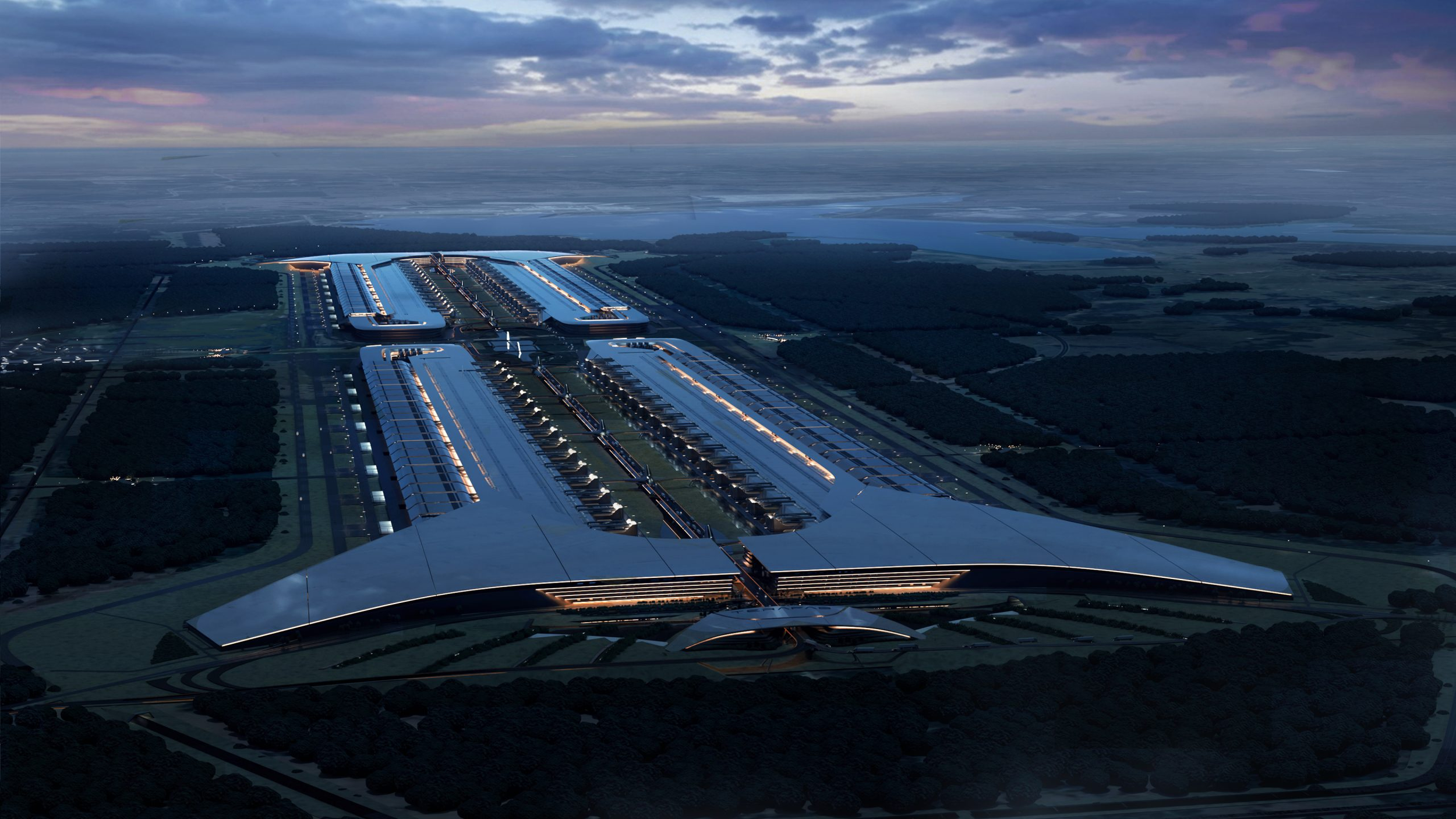
Elon Musk's ambitious Terafab semiconductor manufacturing project is reportedly targeting an extraordinary 700,000 memory wafers per month, approaching the entire DRAM manufacturing capacity of Samsung Electronics. The project, jointly developed by Tesla and SpaceX, aims to reach approximately 1 million wafers per month from 2032 onward, with 70% of production capacity dedicated to memory and the remaining 30% allocated to logic semiconductors. If achieved, the facility could become one of the world's largest semiconductor manufacturing operations, supporting Tesla's Optimus humanoid robots, autonomous driving systems, and SpaceX's expanding AI infrastructure ambitions.
According to Japan's Nikkei, as detailed by TrendForce, Terafab representatives have already approached Japanese semiconductor equipment manufacturers to discuss production requirements and accelerated delivery schedules. Procurement officials reportedly visited Japan in early November, requesting some equipment deliveries within months despite the complexity of establishing an advanced semiconductor fabrication facility. The proposed monthly capacity would be approximately 40 times the planned 25,000 wafer production capacity of Japan's Rapidus facility in Hokkaido.
Terafab Planned Manufacturing Capacity
| Manufacturing Category | Monthly Wafer Capacity |
|---|---|
| Memory Semiconductors | 700,000 |
| Logic Semiconductors | 300,000 |
| Total Terafab Target | 1,000,000 |
| Samsung Current DRAM Capacity | 650,000 to 700,000 |
Terafab figures represent reported targets for 2032 onward, while Samsung's figures are estimates of existing DRAM capacity. Memory product categories and manufacturing yields may differ.
The comparison with Samsung illustrates the enormous scale of Musk's ambitions. However, Terafab has not disclosed how its planned memory capacity would be divided between conventional DRAM, High Bandwidth Memory (HBM), and LPDDR. Consequently, matching Samsung's wafer volume would not necessarily translate into equivalent memory output or technological capabilities.
The manufacturing initiative is expected to involve external semiconductor partners. Intel is reportedly coordinating technical assistance for logic chip production, potentially involving its advanced 2 nm and 1.4 nm manufacturing technologies. Terafab is also exploring cooperation with Taiwanese companies for memory manufacturing expertise, although no specific partnership has been finalized. Discussions with TSMC have also taken place, with Musk maintaining that Tesla and SpaceX intend to operate the manufacturing complex themselves.
The project is planned for Texas, with Musk targeting initial volume production during Q3 2028 and its much larger manufacturing ambitions extending beyond 2032. According to Reuters, Musk has acknowledged that the schedule is exceptionally ambitious. The company must secure advanced lithography equipment, develop manufacturing expertise, establish reliable production yields, and invest substantial capital before reaching commercial scale.
The proposal arrives as AI infrastructure continues consuming an increasing share of global semiconductor production. With SK hynix warning that memory shortages could persist until 2030, Terafab could eventually introduce substantial additional memory capacity. However, its focus on supplying Tesla and SpaceX operations means the project does not automatically represent additional memory availability for the consumer PC market.
Terafab's proposed manufacturing capacity is impressive, but producing 700,000 memory wafers monthly requires significantly more than financial investment. Samsung, SK hynix, and Micron have spent decades developing manufacturing expertise, improving yields, and refining advanced memory technologies. Matching their production scale within approximately 6 years would represent an extraordinary industrial achievement.
More importantly, expanding global memory manufacturing capacity could benefit the broader semiconductor industry, but only if production becomes available beyond vertically integrated AI infrastructure.
For PC gamers and enthusiasts, the priority remains accessible DDR5 memory, affordable graphics cards, and competitive hardware pricing. Building enormous semiconductor facilities primarily to satisfy internal AI demand will not necessarily resolve the supply constraints affecting consumer hardware.
Do you believe Elon Musk's Terafab can realistically challenge Samsung's memory manufacturing capacity by 2032, or are its production targets too ambitious for a new semiconductor manufacturer?
