
Elon Musk Says He Could Be Spotted With a Cigar In His TeraFab, Downplaying Cleanroom Requirements
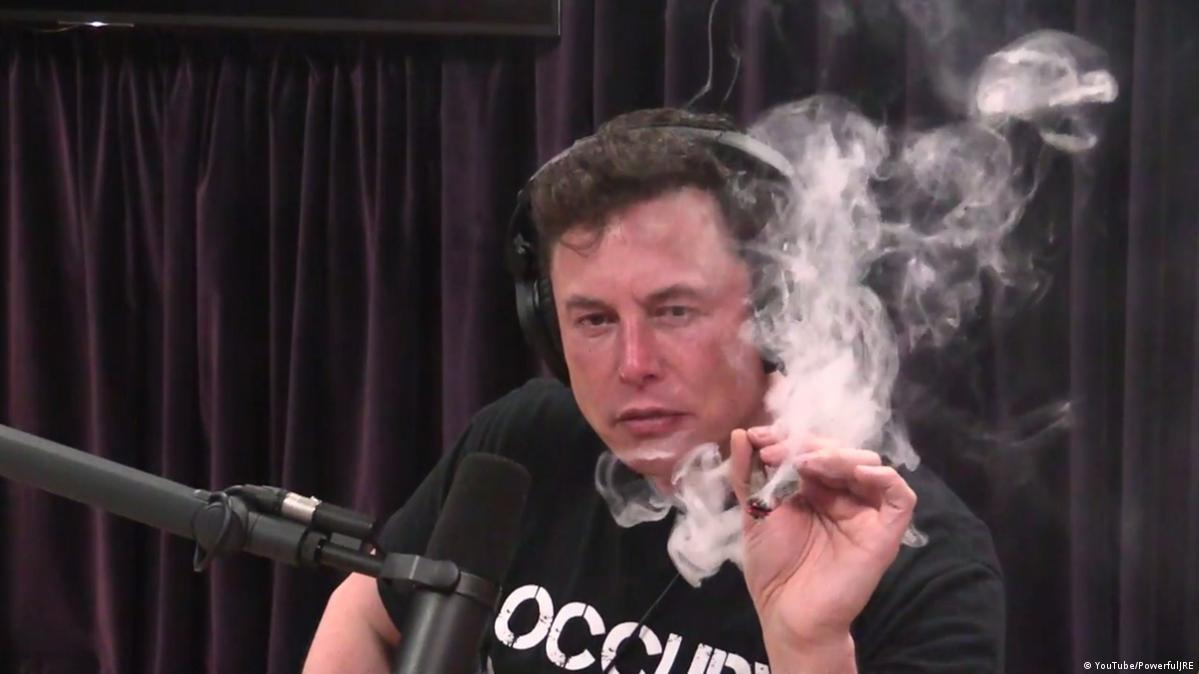
Elon Musk is once again pushing a bold vertical integration narrative for Tesla, this time around semiconductor manufacturing, while simultaneously making comments that clash head on with how modern chip fabs actually function. During an on stage conversation at Moonshots with Peter Diamandis, Musk said Tesla’s proposed TeraFab concept could target 2nm class chips, and then followed that up with a line that immediately raised eyebrows across the hardware industry: he claimed he could eat a cheeseburger and smoke a cigar inside the fab, implying he does not buy into today’s cleanroom requirements.
From a semiconductor manufacturing perspective, cleanrooms are not optional, they are core infrastructure. Modern nodes are extremely sensitive to contamination, and fabs rely on tightly controlled particle counts, filtration systems, and strict operator protocols to protect yield and keep defect density within workable limits. Even tiny particulate contamination can cause failures at the transistor and interconnect level, which directly impacts wafer output, binning quality, and cost per good die. This is exactly why leading foundries invest heavily in controlled environments and strict handling procedures. A cigar in the fab is not just a bad look, it is the kind of contamination risk that would destroy yield economics and undermine the entire point of chasing advanced nodes.
Musk’s comment may have been partly performative, but it still matters because it reveals a disconnect between the narrative of building an advanced node fab and the operational reality required to do it. A 2nm target is not simply a matter of capital and ambition, it is a mastery game across process integration, lithography, materials science, defect control, metrology, packaging, and supply chain discipline. Even companies with decades of manufacturing DNA treat each node transition as a high risk multi year execution program. Tesla has deep expertise in product design and systems integration, but it does not have the track record of running a bleeding edge foundry process at production scale.
The more plausible interpretation is that Tesla’s TeraFab vision would require partnerships, potentially leaning on existing foundry relationships rather than building a fully independent, end to end manufacturing operation overnight. Musk has previously talked about chip supply as a strategic constraint, and in this interview he also referenced demand on the scale of 100 billion to 200 billion chips per year arriving earlier than he expected. Those numbers sound extreme in isolation, but the underlying strategic concern is real: AI accelerators, automotive compute, robotics, edge inference, and data center expansion are all pulling on the same semiconductor capacity. When demand spikes collide with limited leading edge capacity, companies start exploring radical options to secure supply, even if the final execution ends up being hybrid rather than fully in house.
Where this becomes a gamer and PC industry adjacent storyline is in the knock on effect of semiconductor constraints. When leading edge capacity is tight, it does not only hit automotive and AI. It can pressure the broader ecosystem, including GPUs, client CPUs, consoles, and handhelds, because advanced packaging, HBM supply, and wafer starts all compete across adjacent markets. If Tesla and other big tech players push harder into securing priority access to advanced nodes, the competition for capacity can intensify, and that tends to show up downstream as constrained availability, higher pricing, and slower normalization across consumer hardware categories.
At the same time, there is a reputational risk in oversimplifying manufacturing realities. A message that dismisses cleanrooms may play well as a disruptive soundbite, but it undercuts credibility with the engineers and operators who actually deliver yields and ramp nodes. If Tesla wants the market to treat TeraFab as more than a headline, it will need to shift from bold statements to measurable milestones: facility planning, tool supply agreements, process partnerships, staffing, and a realistic phased roadmap that aligns with what 2nm class production entails.
For now, the interview provides a clear snapshot of intent: Tesla is thinking aggressively about chips as a strategic choke point, and Musk is signaling he is willing to challenge convention. The industry will judge this not by quotes, but by whether Tesla can translate the ambition into a credible execution plan that respects the physics and operational discipline that advanced semiconductor manufacturing demands.
If Tesla seriously pursues a TeraFab strategy, do you think it should aim for full manufacturing independence, or focus on deeper partnerships while keeping chip design and supply priority as the real win?
