
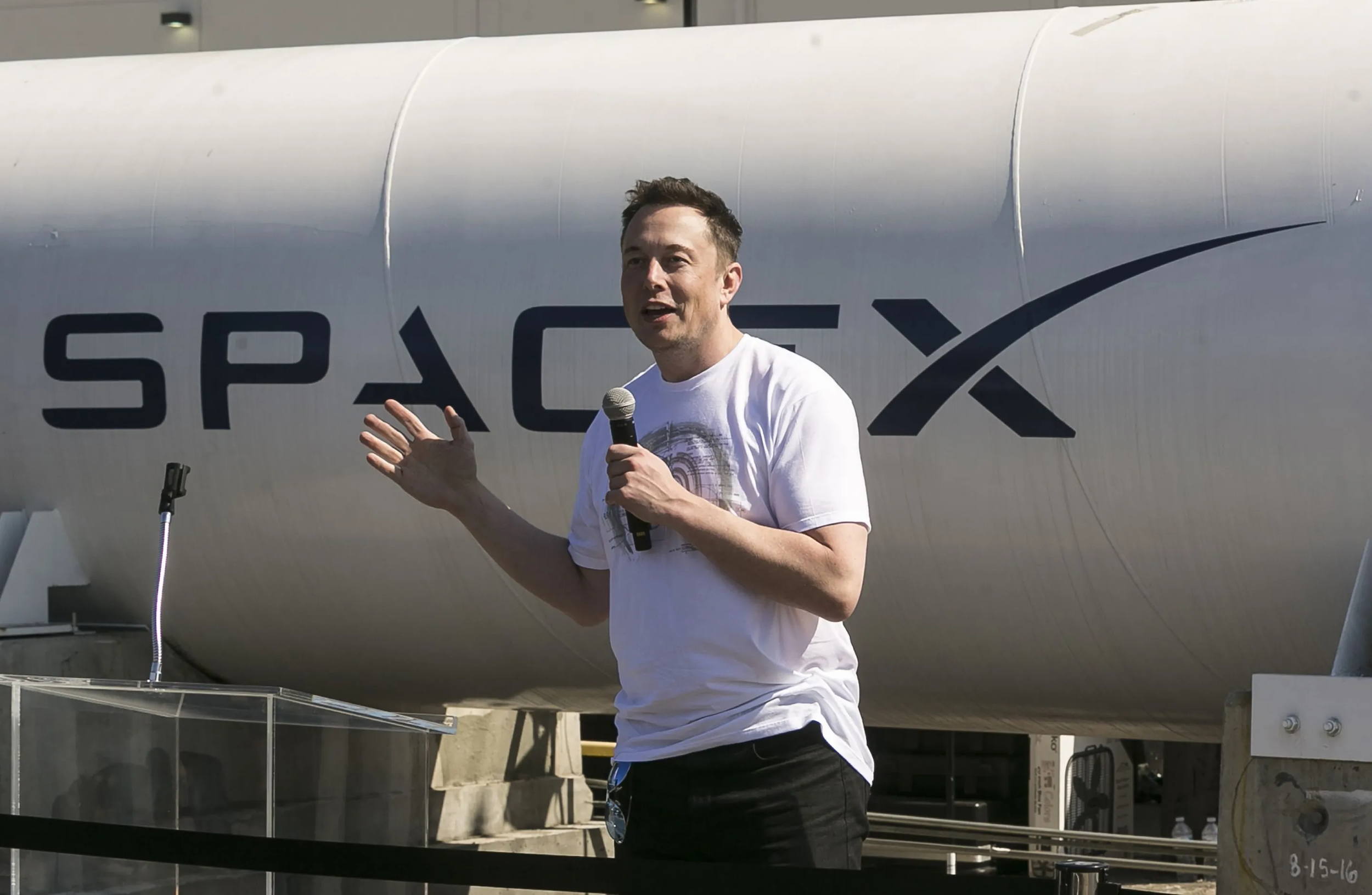
Elon Musk has revealed that Anthropic could seek an additional 10 GW of AI computing capacity from SpaceX, highlighting the extraordinary infrastructure demands of the artificial intelligence industry. Speaking at the 2026 New York Times DealBook Summit on November 18, Musk suggested that Anthropic is highly likely to continue renting computing resources from SpaceX despite previous speculation surrounding the partnership. The comments coincide with Texas regulators approving a major natural gas power generation project supporting SpaceX's expanding AI infrastructure in Cameron County.
The partnership between both companies has become increasingly important as Anthropic expands its Claude AI models and commercial services. In its official May 2026 announcement, Anthropic confirmed an agreement granting access to the Colossus 1 supercomputer, providing more than 300 MW of computing capacity powered by over 220,000 NVIDIA GPUs. Musk now claims Anthropic considers another 10 GW of SpaceX capacity its most likely expansion scenario, although no additional agreement of that size has been publicly confirmed.
The scale of the proposed expansion illustrates how electricity generation is becoming one of the most significant obstacles to AI development. Musk emphasized that the limiting factor is no longer simply acquiring GPUs, but securing sufficient power generation, cooling capacity, and electrical infrastructure to operate increasingly massive computing clusters. During the TomorrowX Summit, he claimed SpaceX was adding approximately 500 MW of AI computing infrastructure each month, representing roughly 220,000 NVIDIA GB300 accelerators alongside their supporting systems. He also highlighted the difficulty of managing rapid fluctuations in GPU electricity consumption, which can place considerable mechanical stress on conventional gas turbines without adequate energy buffering.
Meanwhile, the Texas Commission on Environmental Quality approved a permit on November 16 for natural gas generating equipment at SpaceX's Boca Chica facility. The authorization covers 43 turbines with a combined nameplate rating of 1,456.22 MW, although the proposed installation involves an initial configuration of 35 temporary turbines generating approximately 748 MW, followed by 8 larger permanent turbines providing approximately 708 MW as the temporary units are replaced. Therefore, the combined permit figure should not be interpreted as the facility's expected simultaneous operating output.
The power project forms part of SpaceX's proposed $24 billion AI computing development near Starbase, covering approximately 444 acres. However, the company's expansion also faces financial and political resistance after Cameron County commissioners rejected its proposed 100% property tax exemption for 10 years. Although the decision does not prevent construction, it reflects growing concerns over the environmental impact, energy demands, and public financial incentives associated with increasingly large AI data centers.
SpaceX's aggressive infrastructure strategy reflects a broader industry transition in which access to electricity is becoming as strategically important as semiconductor manufacturing capacity. While companies continue investing billions in NVIDIA accelerators, advanced networking, and AI infrastructure, the availability of reliable power generation could ultimately determine how quickly the next generation of artificial intelligence systems can expand.
The growing demand for AI computing is exposing a fundamental problem within the technology industry. Companies are committing enormous financial resources to expanding AI infrastructure while electricity production, cooling systems, and semiconductor availability struggle to keep pace. SpaceX's investment in dedicated power generation demonstrates the scale of these challenges, but relying heavily on natural gas also raises legitimate concerns about environmental impact and long term sustainability.
For consumers and PC gamers, this expansion creates additional pressure on the hardware ecosystem. The concentration of advanced GPUs, memory, and manufacturing resources in massive AI infrastructure projects risks worsening component availability and pricing for individual users. AI innovation should not come at the expense of affordable computing hardware, gaming accessibility, or the ability of consumers to build and operate their own systems.
Private corporations should also remain responsible for the infrastructure and environmental costs of their investments rather than transferring those burdens to local communities through extensive tax exemptions. The future of AI needs to balance technological progress with sustainable energy development, fair hardware availability, and meaningful benefits for consumers.
Do you believe the rapid expansion of AI data centers is worth the growing electricity demands and pressure on consumer hardware, or should governments establish stronger regulations to protect energy resources and PC component availability?
