
Elon Musk and Tim Cook to Join Trump’s China Visit, While NVIDIA CEO Jensen Huang Is Reportedly Not Attending
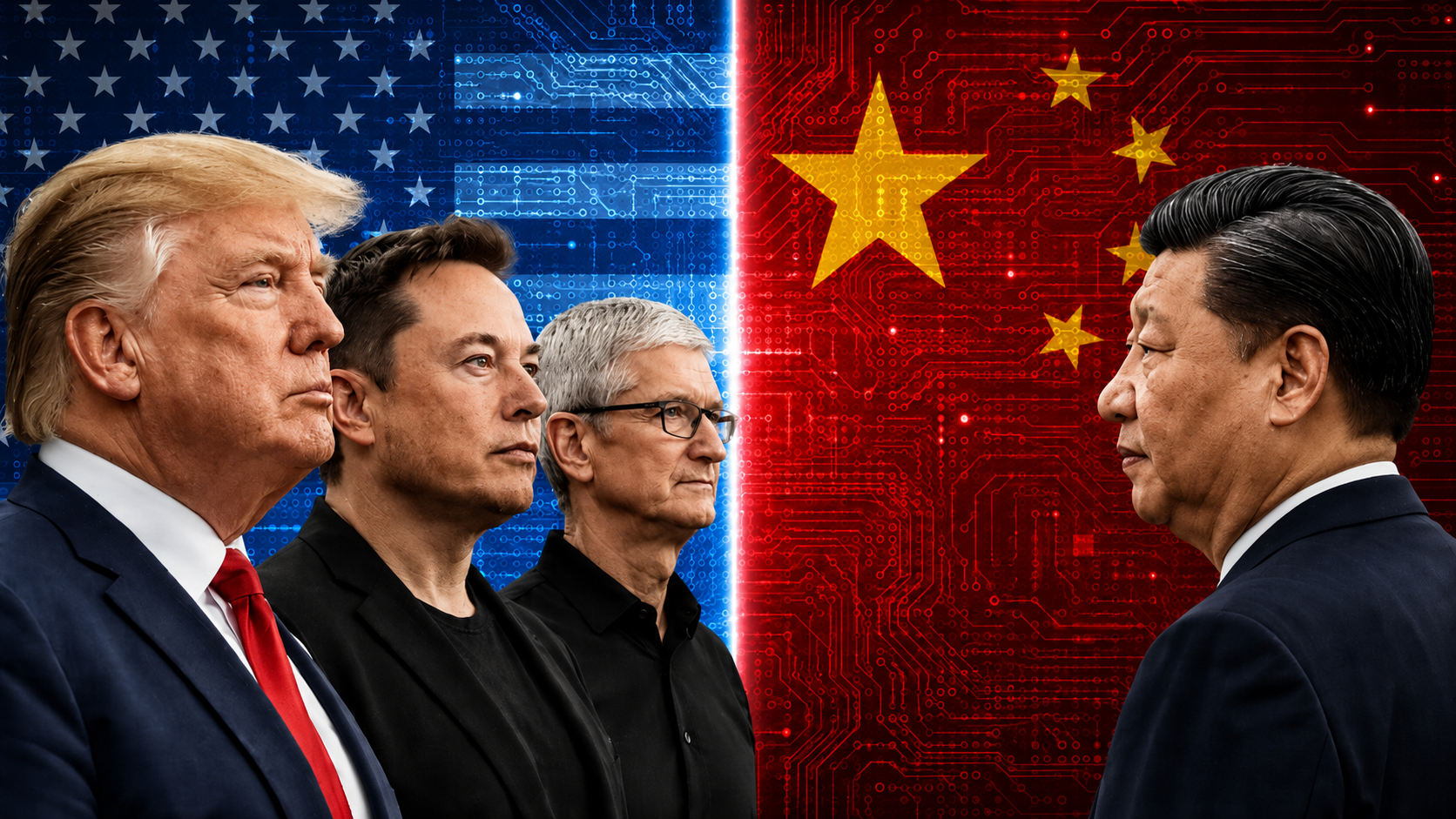
US President Donald Trump is set to travel to China this week for meetings with Chinese President Xi Jinping, with Reuters reporting that a group of high profile American executives will join the visit, including Elon Musk and Apple CEO Tim Cook. The trip is scheduled for May 13 to May 15, 2026, and is expected to focus heavily on trade, investment, and commercial dealmaking between the United States and China. According to Reuters, the delegation will also include executives tied to firms such as Boeing, Qualcomm, Citigroup, BlackRock, Blackstone, Meta, Mastercard, Visa, Micron, Illumina, Cargill, Coherent, and GE Aerospace.
US President Donald Trump and Chinese President Xi Jinping are set to discuss Iran, Taiwan, trade, artificial intelligence, and nuclear weapons during Trump's two-day visit to China https://t.co/9zf6I8aJkM pic.twitter.com/GnvgA5VRlK
— Reuters (@Reuters) May 11, 2026
The visit matters well beyond optics. Reuters reports that the White House is aiming to use the trip to strengthen trade and investment ties, with possible announcements potentially tied to Chinese purchases of Boeing aircraft, American agricultural products, and energy resources. That makes this more than a diplomatic stop. It is shaping up as a business driven mission with major industrial and commercial implications, particularly as Washington and Beijing continue trying to stabilize a relationship that remains highly sensitive across technology, manufacturing, and strategic supply chains.
One of the biggest surprises in the reported lineup is the absence of NVIDIA CEO Jensen Huang. Reuters says Huang will not be part of the China visit and, citing a source familiar with the matter, reports that he was not invited. The same report adds that the White House is placing more emphasis on agriculture and commercial aviation during this trip, including Boeing related discussions, which helps explain why NVIDIA does not appear to be part of the final business roster despite its central position in the global AI race.
That exclusion stands out because NVIDIA remains one of the most important companies in the AI era, and Jensen Huang has become one of the most visible executives in global technology policy discussions. Even so, this specific trip appears to be structured around a broader commercial agenda rather than a semiconductor first strategy. Based on Reuters reporting, the White House appears to be prioritizing sectors where immediate purchase agreements and symbolic trade wins are more likely to emerge during the visit.
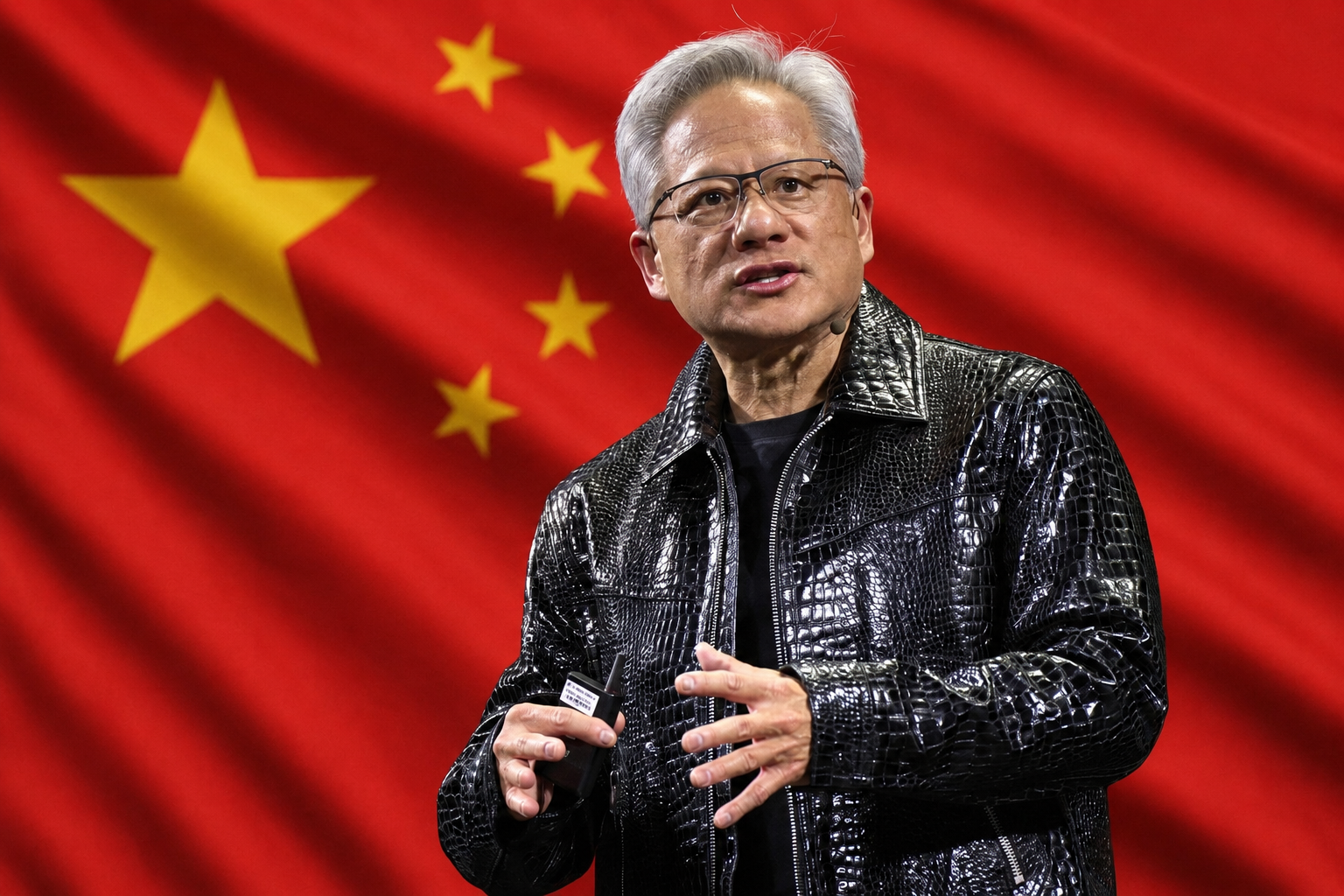
For the tech sector, the presence of Musk and Cook is still highly significant. Tesla has deep operational ties to China, while Apple remains heavily exposed to the Chinese market both as a manufacturing base and as a consumer business. Their inclusion signals that the administration still sees major technology companies as central to broader US China commercial negotiations, even if the semiconductor angle is taking a back seat on this particular trip. A separate social media post also highlighted the high profile nature of the executive delegation surrounding the visit.
I can confirm NVDA CEO Jensen Huang was not invited and will not be traveling to China during that period. https://t.co/AgT6YYWqJB
— Kristina Partsinevelos (@KristinaParts) May 11, 2026
The broader takeaway is that Trump’s China visit could become an important marker for the next phase of US China business engagement. While it does not appear to be centered on a major AI chip breakthrough or a semiconductor policy reset, it does suggest that both sides are still willing to keep major commercial channels open. For NVIDIA, Jensen Huang’s absence does not necessarily point to weakness. It simply shows that this round of diplomacy appears to be focused on other sectors where the White House believes it can secure faster and more visible outcomes.
Do you think Jensen Huang’s absence is just about this trip’s business priorities, or does it say something bigger about how AI and semiconductor issues are being handled between Washington and Beijing right now?
