
Phantom Blade Zero Distances Itself From DLSS 5 as S Game Defends Human Artistry
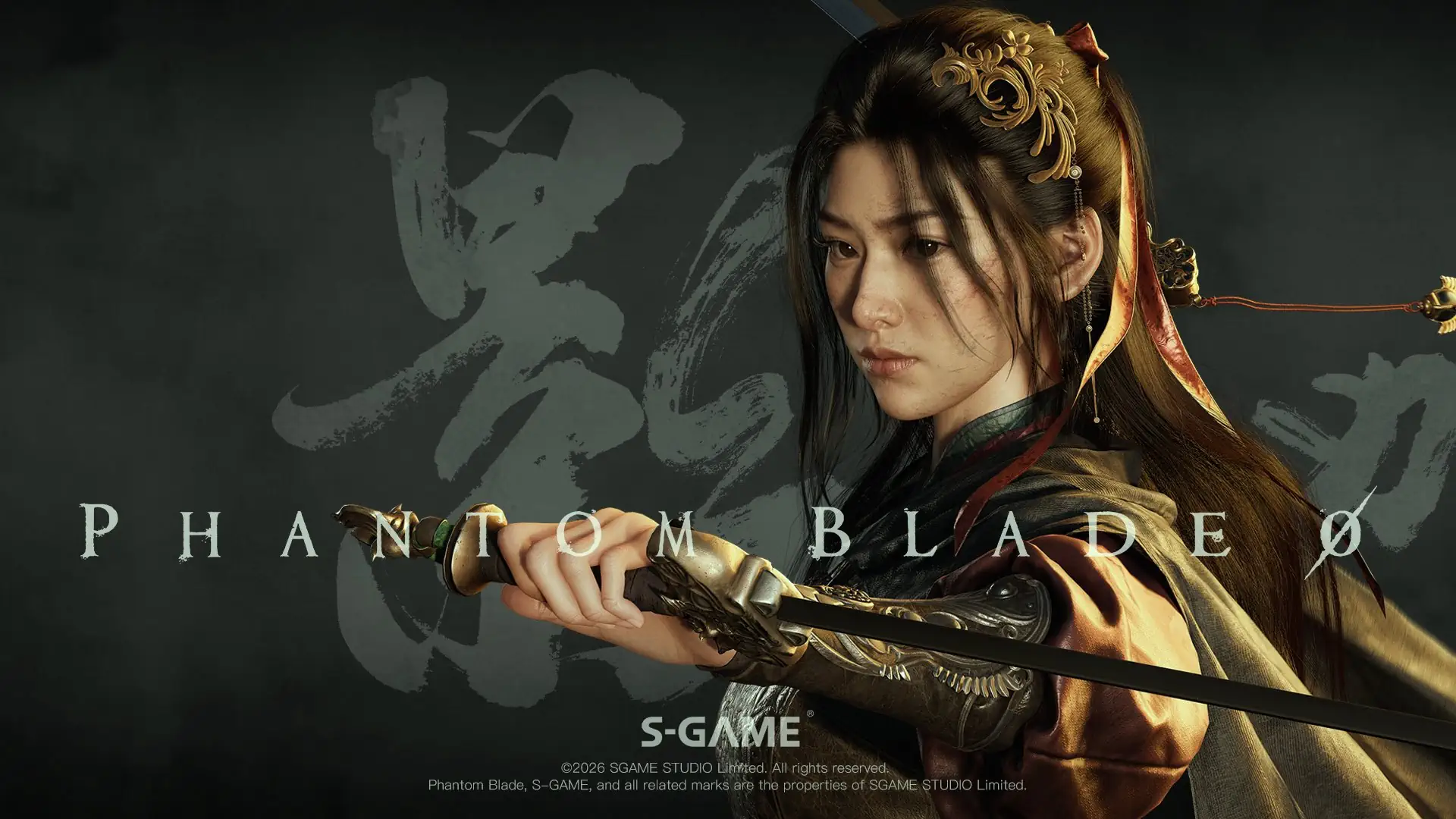
Phantom Blade Zero has entered the NVIDIA DLSS 5 conversation in a way that could become one of the first major public reversals tied to the technology. In a new statement shared by game director Liang Qiwei, also known publicly as Soulframe, S Game emphasized that every part of the project has been built by human artists and declared that the studio will not use “AI visual tech” that could alter its creators’ original intent. That wording has immediately raised questions about whether Phantom Blade Zero is quietly stepping away from DLSS 5 support, even though the game was previously listed by NVIDIA among the first wave of titles expected to adopt the feature.
Phantom Blade Zero is currently in the intense, final stages of development. With the time we have left, we are pouring every available resource into pushing every aspect of the game to the absolute limit of our capabilities.
— Phantom Blade Zero (@pbzero_official) April 10, 2026
We are fully aware that a profound technological… pic.twitter.com/UVfWL0pLqr
The situation matters because Phantom Blade Zero was publicly named in NVIDIA’s official DLSS 5 rollout alongside projects such as Assassin’s Creed Shadows, Starfield, Resident Evil Requiem, and The Elder Scrolls IV: Oblivion Remastered. NVIDIA’s announcement explicitly included Phantom Blade Zero in its list of upcoming DLSS 5 enabled games, making S Game’s new language difficult to dismiss as a generic anti AI statement. While the studio did not directly name DLSS 5 in its message, the line saying it “will not use AI visual tech that could alter our artists’ original creative intent” strongly suggests a shift away from that implementation. At minimum, it signals that the developer now wants clear distance from any visual processing that players may interpret as modifying handcrafted art direction.
That is a notable development because DLSS 5 has already generated debate across the enthusiast gaming space. The broader criticism has centered on whether the technology improves presentation or whether it introduces an artificial layer that can smooth, reinterpret, or visually distort scenes in ways that conflict with a studio’s original aesthetic. S Game now appears to be planting its flag firmly on the side of artistic control. For a project like Phantom Blade Zero, which has built much of its identity around stylized action, cinematic presentation, and a premium handcrafted martial arts atmosphere, that positioning feels deliberate rather than accidental. This is not just a rendering pipeline issue. It is a branding decision about what kind of game the studio wants players to believe they are buying.
Liang’s statement also doubles as a broader declaration of production philosophy. According to the post, Phantom Blade Zero’s character models are based on 3D scans of real actors who also performed facial capture, the game includes full lip syncing in both Chinese and English, combat animations are motion captured, and environmental work draws from scans of real Chinese locations before being manually transformed into the final in game spaces. The studio also highlighted hand drawn maps created with Chinese brushes and Xuan paper, reinforcing the idea that Phantom Blade Zero is being marketed as a fully human made production at every level.
From a market perspective, this is not especially good news for NVIDIA. DLSS has long been one of the company’s strongest value propositions for PC gaming, but the jump into more visibly interpretive AI driven image technologies creates a different kind of risk. Performance enhancement is usually easy to sell. Visual alteration is much more sensitive, especially when players feel a game’s look is part of its identity. If more developers begin to see public association with AI visual processing as a potential reputational problem, NVIDIA could face a much slower adoption curve for DLSS 5 than it did with previous DLSS generations. That does not mean the technology is dead on arrival, but it does mean rollout momentum may now depend as much on perception management as on pure technical capability. This point is partly an inference based on NVIDIA’s official partner list and the negative reaction that followed the early DLSS 5 discussion.
For Phantom Blade Zero itself, the message is strategically smart. The game is approaching release and is now in its final development stretch, with official channels pointing to a worldwide launch on September 9, 2026 for PC and PlayStation 5. At this stage, S Game likely wants full control over the narrative around image quality, visual style, and player expectations. By publicly committing to human authored content and rejecting AI visual tech that could interfere with artistic intent, the studio is effectively telling the audience that what they see is meant to reflect the team’s original work rather than a machine interpreted layer sitting on top of it.
Whether this becomes a full and formal withdrawal of DLSS 5 support remains to be seen, because S Game has not yet published a direct technical clarification naming the feature outright. Still, in practical terms, it is hard to read the statement any other way. Phantom Blade Zero was on the DLSS 5 list, the technology became controversial, and now the studio is publicly rejecting AI visual tools that may alter the output of its artists. For players who were worried about the game’s visual identity being filtered through a contentious new rendering layer, this will likely be seen as a win. For NVIDIA, it is an early reminder that in gaming, raw feature innovation is only half the battle. The other half is convincing both developers and players that the tech respects the art.
What do you think, should developers keep advanced AI visual features optional for players, or is S Game right to draw a hard line to protect artistic intent?
