
Crimson Desert Second Features Overview Video Showcases Combat Depth and Progression
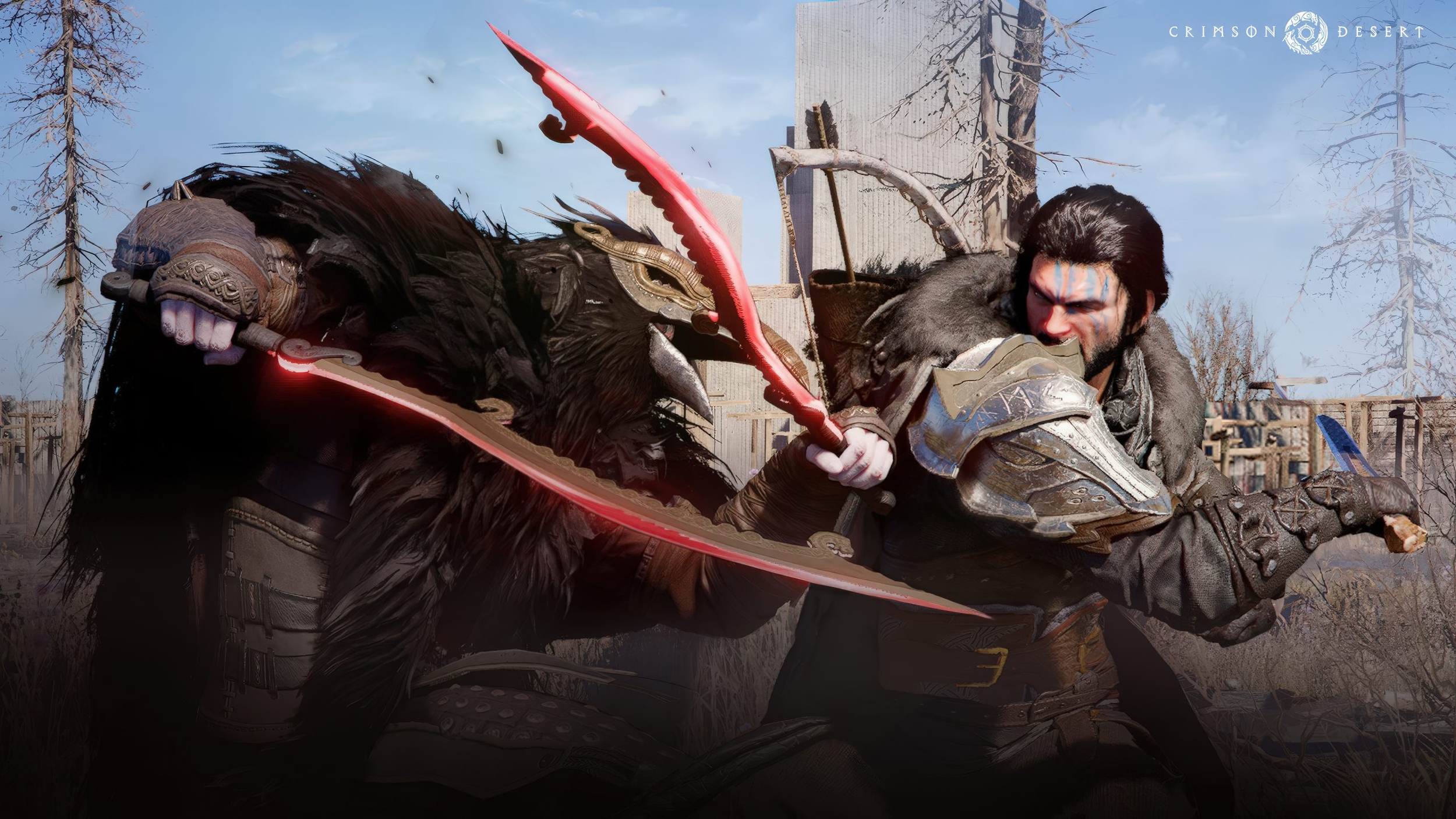
Pearl Abyss has released the second entry in its Features Overview video series for Crimson Desert, following the first video that focused on the open world and story foundation. This new installment shifts the spotlight to what will likely define the day to day feel of the action adventure RPG: combat flow, skill expression, and the progression systems that shape how protagonist Kliff evolves from a survivor into a frontline threat ahead of the game’s confirmed launch date on 2026 03 19.
The core combat pitch is built around variety and chaining. Players will have access to multiple weapon types including swords and shields, spears, greatswords, axes, and ranged options, each intended to create distinct tactical routes depending on enemy behavior and terrain constraints. Pearl Abyss also emphasizes seamless transitions between weapon strikes, bare hand combat, kicks, and grapples, framing Crimson Desert as a game where combo routes are not locked into rigid animations but instead designed for player driven sequencing. The inclusion of elemental enhancements such as burn, freeze, and stun effects adds a second layer to decision making, letting players shift from raw damage output to control oriented play depending on what a fight demands.
Mobility is presented as a major lever for maintaining momentum. Slides, dodges, counters, and swings are integrated directly into attack sequences, enabling movement to function as offense rather than just defense. The system also highlights timing windows through guards and dodges that can open counter opportunities, reinforcing a loop where the player stays proactive and rewards precision over repetitive input. Pearl Abyss is clearly positioning this as a skill based combat model that asks players to learn pacing, spacing, and encounter rhythm, while still giving room for flashy improvisation.
Outside direct duels, the video reinforces that the battlefield is not limited to flat arena style engagements. Environmental interaction and mount based combat are part of the toolkit, designed to let players manipulate positioning, disrupt formations, and change the tempo of encounters. In practice, this implies fights can be approached as layered problems where movement options and world context matter nearly as much as raw stats.
Progression is framed around a narrative low point. Kliff begins with minimal abilities and equipment after surviving the Black Bears’ assault on the Greymanes, and the player rebuilds him through exploration, combat mastery, and upgrade decisions. The centerpiece is the Artifact System, where Abyss fragments collected from quests, boss victories, and exploration unlock core boosts like Health and Stamina improvements. These fragments also unlock new skills that expand combo chains and enhance existing abilities, with a notable twist: some advanced techniques require players to observe them in the world before they can be learned, reinforcing the idea that progression is tied to discovery and knowledge, not only grinding.
That design choice supports the studio’s broader goal of player identity. Different builds of Kliff should emerge depending on priorities. One player may invest heavily in stamina for longer traversal sessions and extended gliding across Pywel, while another may focus on grappling tools to dominate melee engagements and control enemy positioning. The system is presented as flexible enough that no two players need to arrive at the same combat profile, which is a strong fit for an open world RPG that wants long term replay and experimentation.
The video also dedicates time to gear as a parallel progression track. Equipment can be purchased from merchants, discovered in hidden areas, or crafted using raw materials gathered through mining, hunting, and quest completion. Boss encounters are positioned as both mastery checks and high value reward sources, featuring enemies that range from human opponents to beasts, mechanical constructs, and magical entities. Defeating bosses is presented as a route to exclusive equipment that carries signature abilities and special effects, a structure that typically helps keep late game power growth exciting while tying loot to memorable encounters.
Which matters more for you in a new action RPG, deep combo expression with timing skill ceilings, or progression systems that reward exploration and discovery with meaningful power spikes?
