
Crimson Desert Player Reaches Pywel’s Edge, and the Result Feels Straight Out of The Truman Show
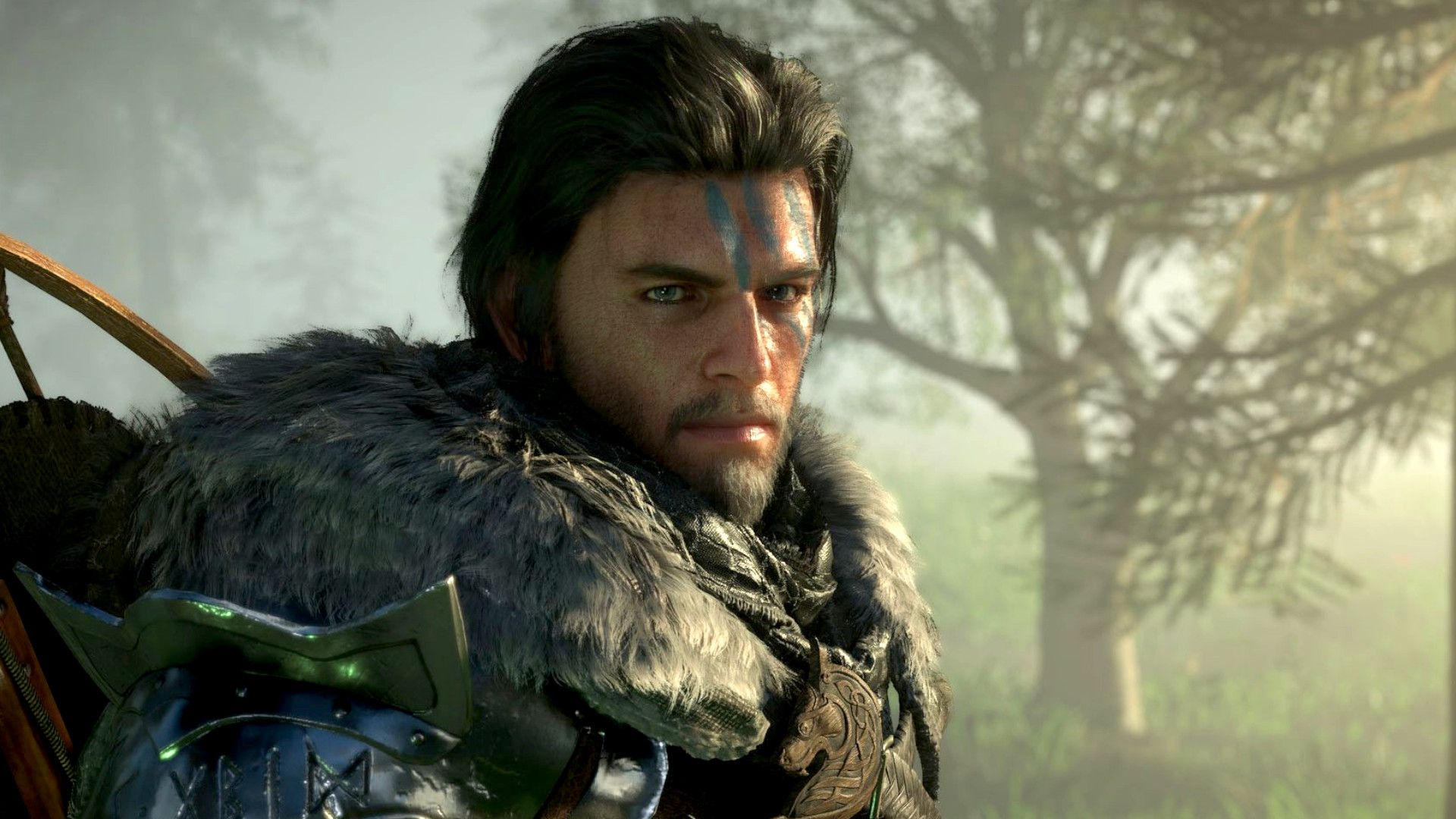
Even the biggest open worlds have limits, and Crimson Desert players are already finding creative ways to test them. A clip shared by TheGameVerse shows Reddit user Intelligent-You-7002 reaching the farthest known edge of Pywel by sea, only for a giant blue whale to suddenly emerge and swallow Kliff before sending him back inside the game’s boundaries. The moment has quickly taken off online because of how bizarre, cinematic, and strangely fitting it feels for a game already full of scale, mystery, and spectacle.
Crimson Desert player reaches the edge of the map and gets eaten by a giant whale 👀
— TheGameVerse (@TheGameVerse) March 22, 2026
🎥 u/Intelligent-You-7002 pic.twitter.com/HCRtfcVxBv
What makes the moment especially memorable is how strongly it recalls The Truman Show. In that film, Truman repeatedly runs into carefully designed barriers whenever he gets too close to escaping his artificial world. Crimson Desert appears to use a very different tool, but the effect lands in a surprisingly similar way. Rather than hitting an invisible wall or a bland “return to map” warning, the game responds with a dramatic in world event that feels almost theatrical, as if Pywel itself is refusing to let Kliff leave. That reading is interpretive rather than confirmed by Pearl Abyss, but it explains why so many players instantly made the same comparison.
There is also a small but interesting detail that gives the encounter extra flavor. Reports circulating around the clip note that the blue whale is not just a random boundary mechanic, but is actually tied into the game’s codex through the Knowledge menu. That does not necessarily mean there is some massive hidden lore reveal behind the sequence, but it does suggest Pearl Abyss put more thought into this world boundary than a typical open world failsafe. In a game that officially markets Pywel as a vast seamless world built for discovery, even its edge appears to have been given a bit of internal identity.
The timing of this discovery also fits where Crimson Desert is right now in the broader conversation. Players have been aggressively stress testing the sandbox since launch, whether through traversal tricks, combat experimentation, or attempts to break around pain points such as stamina pressure and storage limitations. Pearl Abyss’ own official site already highlights Pywel as a “vast, seamless world,” and the studio’s recent patches show it is actively responding to player feedback as people probe the game’s systems more deeply. That makes edge of map discoveries like this feel less like isolated curiosities and more like part of the game’s wider post launch exploration culture.
It is also another reminder that giant open worlds are judged not only by their size, but by how they handle the illusion of possibility. Plenty of games let players wander far from the intended path, but only a few make the boundary itself memorable. In this case, Crimson Desert turns a hard stop into a moment players actually want to share. That is a small design win, even if it comes from something as simple as preventing players from sailing too far into the void.
For now, this does not confirm any deeper secret about Pywel’s true nature, and it should not be mistaken for an alternate ending or hidden narrative twist. But it absolutely adds to the growing sense that Crimson Desert still has plenty of surprises left for players willing to push against its edges, both literal and mechanical. And in this case, the edge of the world bites back.
What do you think, is this one of the coolest open world boundary tricks in recent memory, or would you rather games simply let you sail into the unknown?
