
Colorful Expands Battle AX Line With B860M Plus S And B760M Plus S Boards Bringing WiFi 7 To Budget Intel Builds
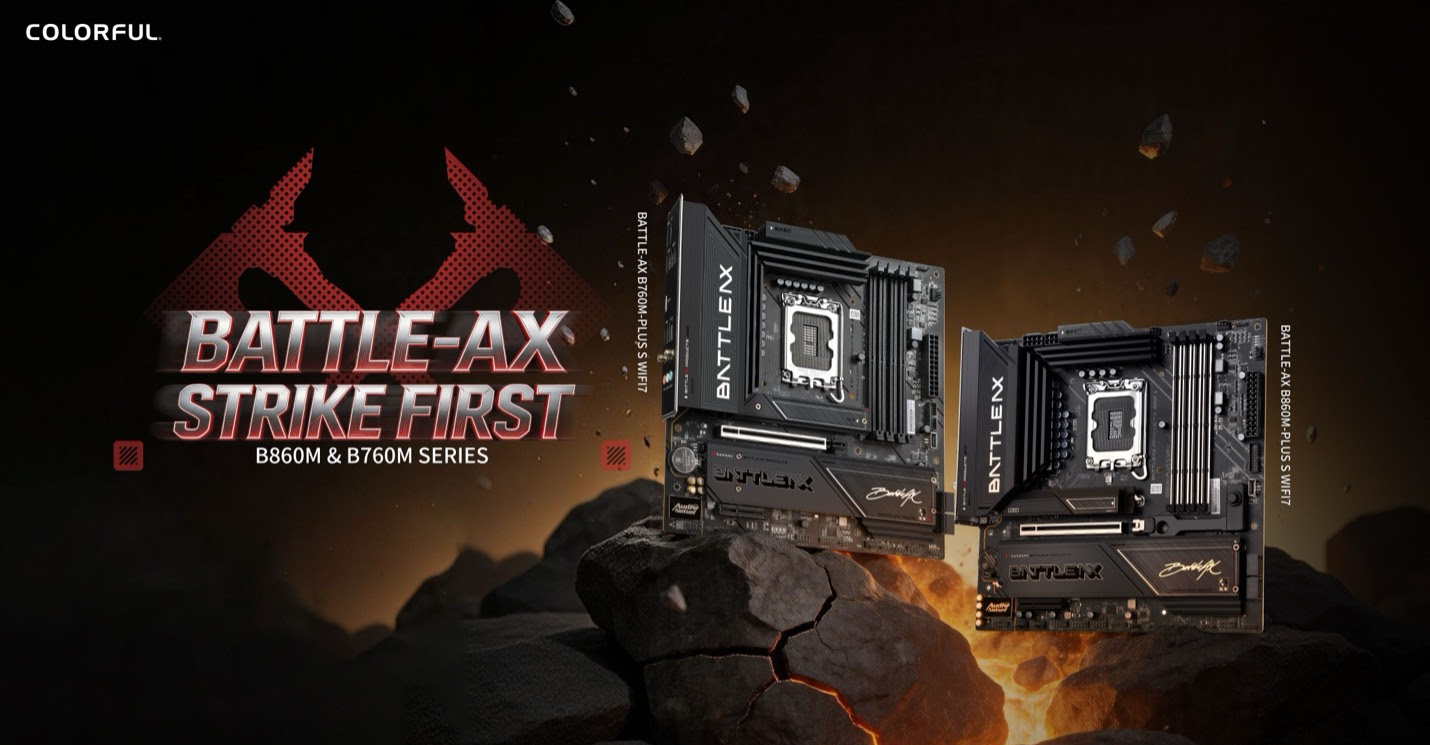
Colorful has introduced 2 new micro ATX motherboards in its Battle AX series, targeting users who want more affordable Intel platform options without giving up newer connectivity features. The new models are the BATTLE AX B860M PLUS S WIFI7 V20 for Intel Core Ultra 200S processors and the BATTLE AX B760M PLUS S WIFI7 V20 for 12th, 13th, and 14th Gen Intel Core CPUs, giving buyers a split between a newer DDR5 platform and a more cost conscious DDR4 route. Colorful’s official product pages confirm the chipset positioning, WiFi 7 support, and the platform split between LGA1851 and LGA1700.
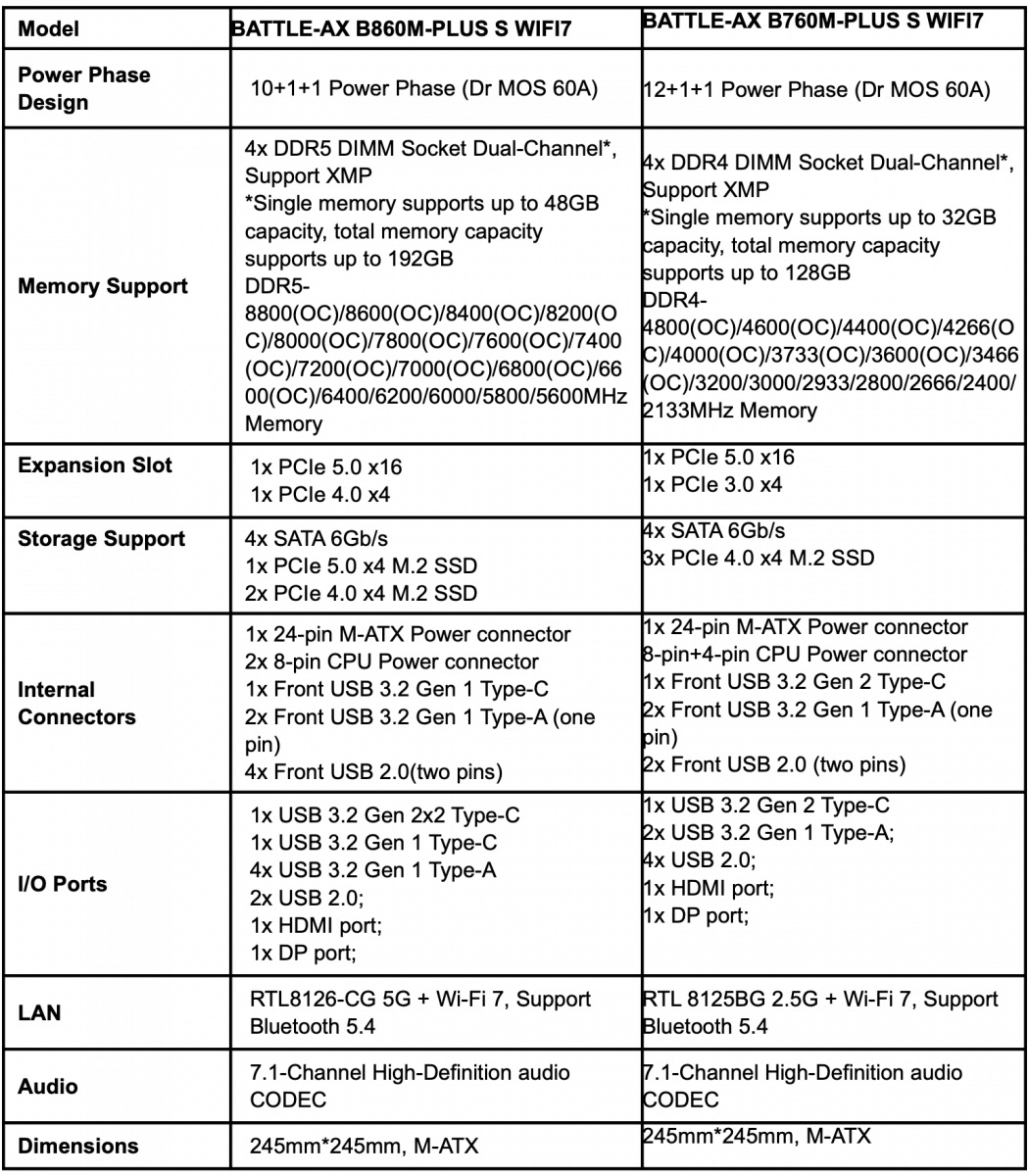
The B860M model is the more forward looking option of the 2. Colorful lists it with support for Intel Core Ultra 200S processors, DDR5 memory up to 8800 MT/s, a 10 plus 1 plus 1 plus 1 phase power design with 60A Dr MOS stages, Realtek 5G LAN, WiFi 7, Bluetooth 5.4, and 1 PCIe 5.0 x4 M.2 slot alongside 2 additional PCIe 4.0 x4 M.2 slots. It also includes a rear USB 3.2 Gen 2x2 Type C port rated for 20 Gbps, positioning it as a compact but modern entry point for Arrow Lake era systems.
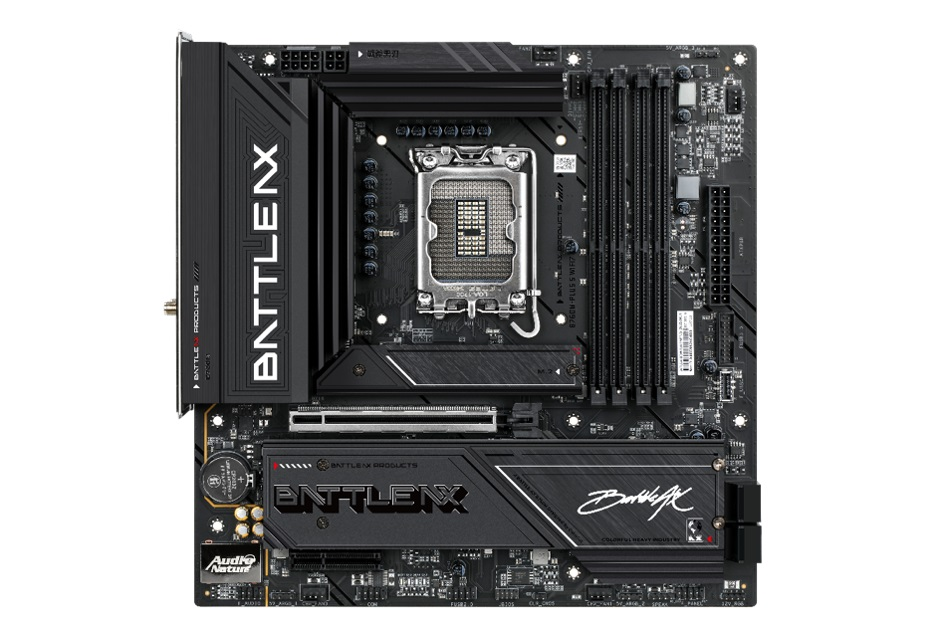
That makes the B860M PLUS S a fairly practical value board for users who want access to Intel’s newer desktop platform while still shopping in the lower price tiers. The combination of PCIe 5.0 storage support, 5G LAN, WiFi 7, and DDR5 gives it a more current feature stack than many older budget boards, even if it is still clearly aimed at mainstream rather than enthusiast builds. That assessment is based on the official feature list and current budget board positioning in the market.
The B760M model goes in a different direction. Colorful’s new BATTLE AX B760M PLUS S WIFI7 V20 is built for Intel’s 12th, 13th, and 14th Gen Core processors and keeps DDR4 memory support, which is still an important selling point for budget builders trying to avoid the added cost of a full DDR5 transition. Third party launch coverage based on Colorful’s announcement says the board supports up to 128 GB of DDR4 memory at up to 4800 MHz, uses a 12 plus 1 plus 1 phase power design, includes an armored PCIe 5.0 x16 slot for graphics cards, and offers 3 PCIe 4.0 M.2 slots.
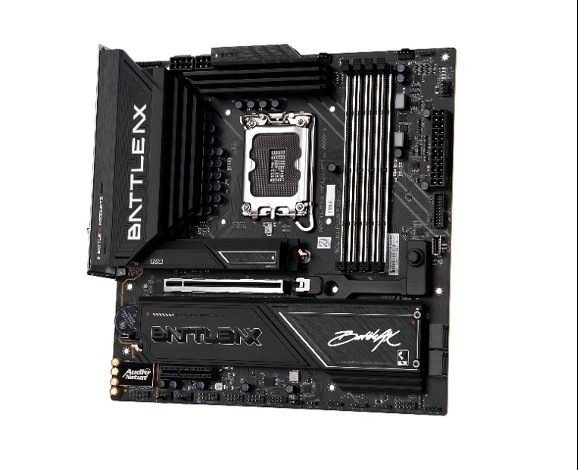
WiFi 7 is the standout shared feature between the 2 boards. That is notable because wireless networking upgrades usually arrive first on more premium motherboard ranges before filtering down. By bringing WiFi 7 to both a DDR5 B860 board and a DDR4 B760 board, Colorful is trying to make newer wireless connectivity a broader part of mainstream Intel builds instead of leaving it only to upper tier products. The official B860 page confirms WiFi 7, while launch coverage says the B760M PLUS S WIFI7 also includes integrated WiFi 7.
There is also a platform strategy angle here. The B860M PLUS S clearly targets buyers building around Intel’s latest Core Ultra 200S lineup and wanting longer platform relevance, while the B760M PLUS S is better suited to people upgrading an existing LGA1700 system, reusing DDR4 memory, or trying to assemble a lower cost gaming PC without moving to a fully new memory ecosystem. In that sense, Colorful is covering both sides of the current Intel desktop market rather than betting only on Arrow Lake adoption. This is an inference based on the official platform support and memory differences between the 2 boards.
One correction is worth making for clarity: the older platform board supports Intel 12th, 13th, and 14th Gen Core processors, not “4th gen.” The official and third party product coverage consistently identifies it as an LGA1700 board for Alder Lake and Raptor Lake era CPUs.
Colorful has not publicly disclosed pricing or broad regional availability yet on the official English product listing that surfaced, so the final value proposition will depend heavily on where these boards land against competing B860 and B760 offerings. Still, on paper, both models look designed to hit the practical middle of the market: enough modern connectivity to feel current, enough storage flexibility for gaming and general use, and enough segmentation to let users choose between saving money with DDR4 or moving to a newer DDR5 platform.
-
Intel Core Ultra 200S support
DDR5 support up to 8800 MT/s
10 plus 1 plus 1 plus 1 power design
1 PCIe 5.0 x4 M.2 slot plus 2 PCIe 4.0 x4 M.2 slots
Realtek 5G LAN
WiFi 7 and Bluetooth 5.4
USB 3.2 Gen 2x2 Type C 20 Gbps rear port
-
Intel 12th, 13th, and 14th Gen Core support
DDR4 support up to 128 GB and up to 4800 MHz
12 plus 1 plus 1 phase power design
PCIe 5.0 x16 graphics slot
3 PCIe 4.0 M.2 slots
Integrated WiFi 7
Would you rather build around the cheaper DDR4 based B760 option, or spend more for the B860 board and move to Intel’s newer DDR5 platform?
