
Clair Obscur: Expedition 33 Art Book Reportedly Detained by Customs After Being Mistaken for a Real Antiquity
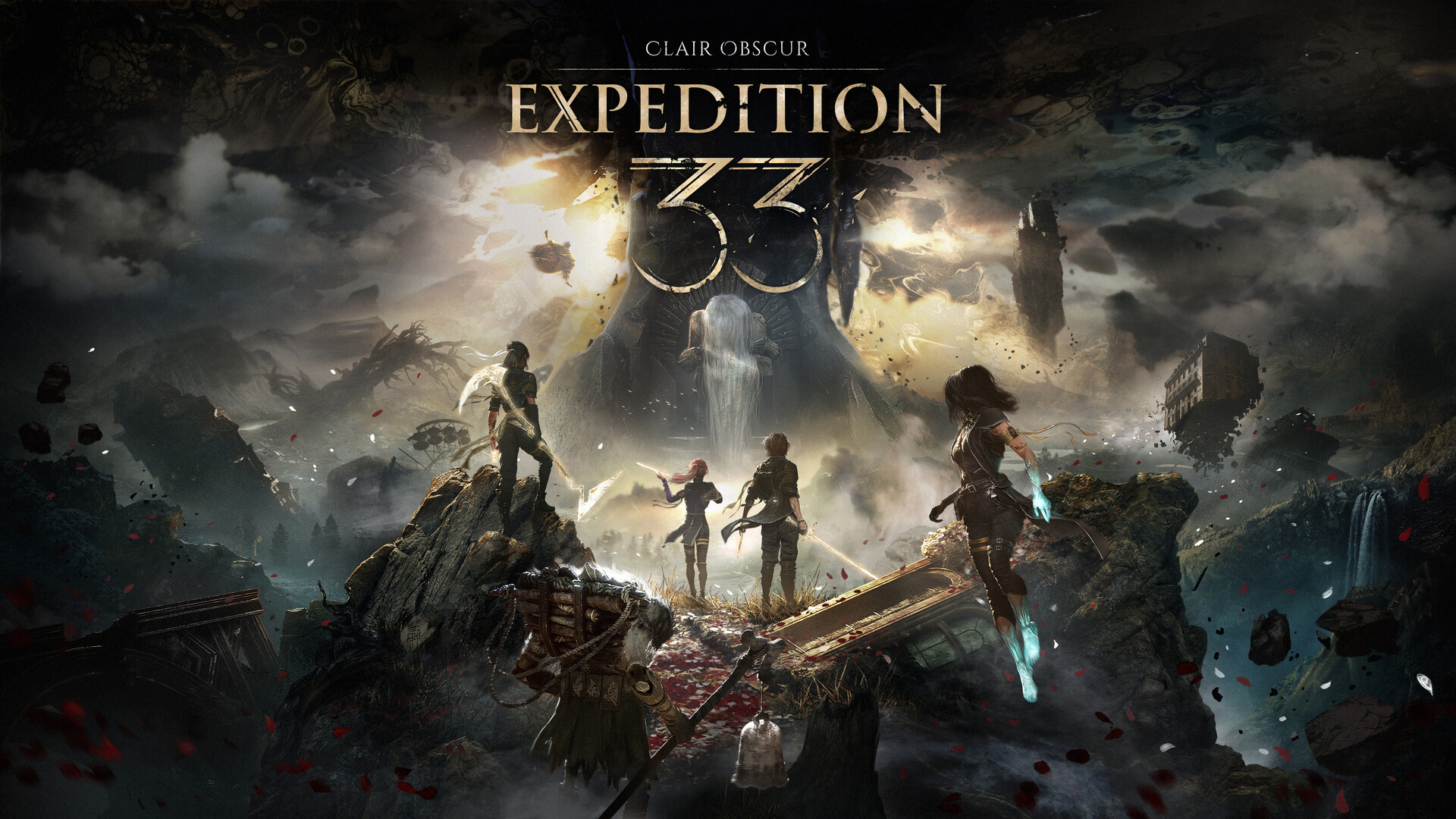
In under a year, Clair Obscur: Expedition 33 has built a reputation that most role playing games spend an entire console generation chasing. Sandfall Interactive’s breakout RPG has been praised for classic JRPG style combat structure and an art direction so confident and cohesive that it makes the world feel like it existed long before players ever booted the game. Now, that visual authenticity has reportedly created a real world consequence that sounds like a marketing stunt, but played out as a customs problem.
According to a post shared on the Clair Obscur: Expedition 33 community, a player says the Expedition Journal art book included with the Monolith Set was detained by customs because it was deemed “possibly ancient” and has reportedly been forwarded for verification by a technical committee associated with the Iraqi Museum. T
The post claims customs officials opened the package, examined the book’s drawings and symbols, and concluded it looked authentic enough to warrant escalation. In other words, the art direction succeeded a little too hard. The user closed the story with a line that instantly became the punchline of the entire situation, framing it as a “10/10 experience” and joking that they would “accidentally import history again.”
From a gamer and collector perspective, the scenario is both hilarious and surprisingly on brand for premium editions. Collector bundles have been leaning harder into physical artifacts that feel diegetic, journals, maps, replicas, textured print finishes, and stylized typography that mimics archival documents. When executed at the level that Expedition 33 is known for, the packaging can look less like merch and more like a museum prop. That is normally a win for immersion, but it also means a customs checkpoint could interpret it as something outside normal commercial print, especially when the destination country is highly sensitive to antiquities trafficking.
The irony is that while the reported customs detainment frames the journal as “possibly ancient,” the broader cultural narrative is pushing the franchise in the opposite direction: not ancient history, but modern art. The story notes that France has formally recognized the developers with the Chevalier de l’Ordre des Arts et des Lettres, presented by French Minister of Culture Rachida Dati as an exceptional decoration for an exceptional success. That is the kind of institutional validation that the games industry is still fighting to normalize, and it underscores how far prestige RPGs have moved into mainstream cultural conversation.
Whether the customs incident resolves quickly or turns into a longer verification process, it is a bizarre but telling proof point of what elite art direction can do. Expedition 33 is not only selling a world on screen, it is selling authenticity to the point that a physical companion book can plausibly be mistaken for a real artifact. In a market where players increasingly value world building and tactile collector extras, that is a strange kind of victory.
If you bought the Monolith Set, would you want the Expedition Journal to look even more like a real artifact, or would you rather it be clearly labeled and designed to avoid customs issues?
