
Windows 11 Weather App Can Consume Up to 1.6 GB of RAM as Microsoft Pushes 8 GB Optimization
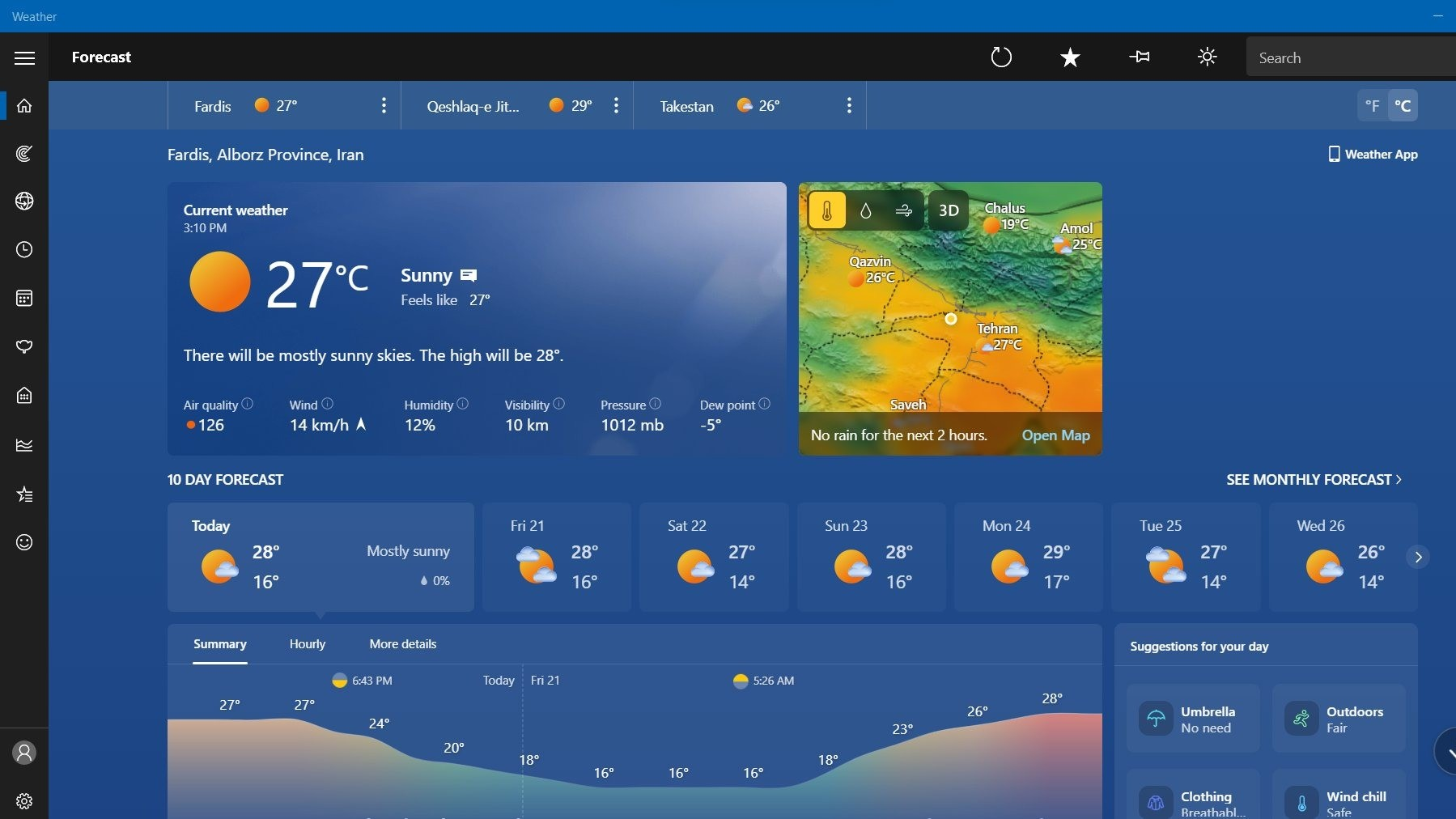
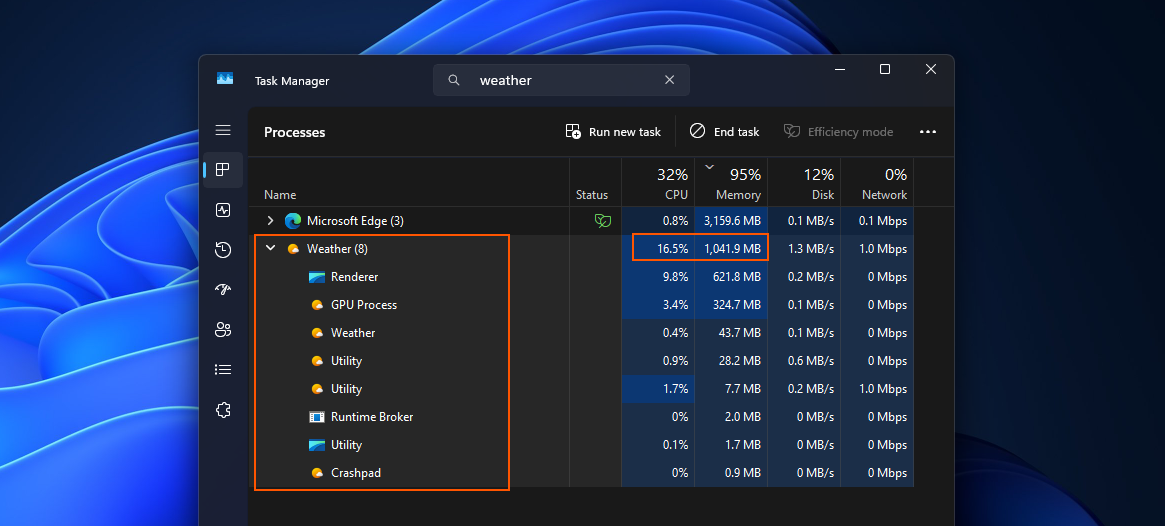
Microsoft has made reducing Windows 11 memory consumption one of its major priorities for 2026, but its own Weather application demonstrates how much optimization work may still be required. Testing of the built in Weather app has recorded memory consumption exceeding 1.2 GB while simply displaying weather information, with additional testing showing usage climbing toward 1.5 GB and occasionally reaching approximately 1.6 GB during basic interaction. On a PC equipped with 8 GB of RAM, 1.6 GB represents 20% of the system's total physical memory capacity being consumed by a weather application alone.
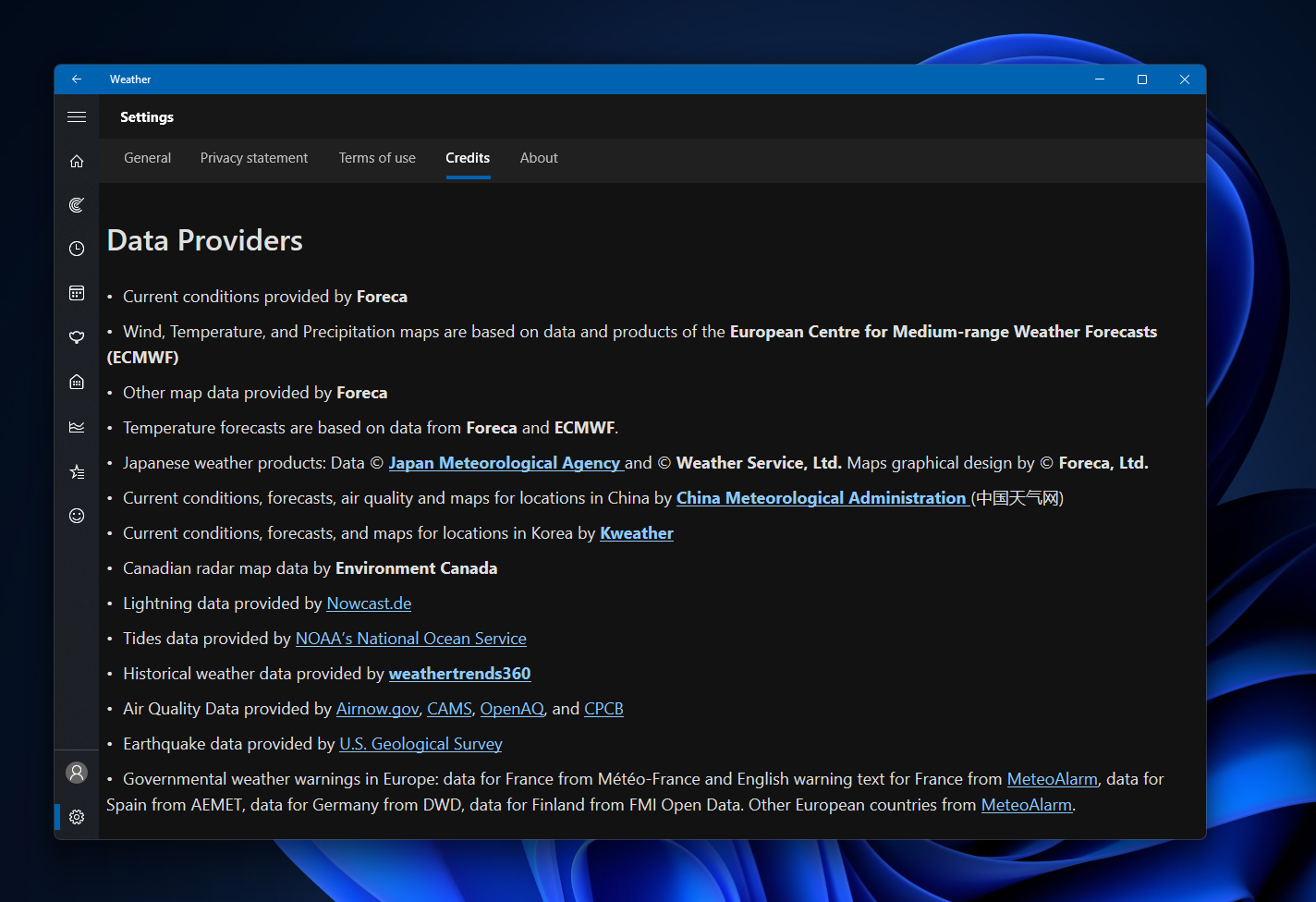
The behavior becomes easier to understand after examining how the application operates. Windows 11 Weather is effectively the MSN Weather experience delivered through Microsoft's WebView2 technology rather than a completely native Windows application. Microsoft explains that WebView2 allows developers to embed HTML, JavaScript, CSS, and other web content directly inside Windows applications using technology based on the Microsoft Edge Chromium engine. WebView2 applications consequently use multiple processes, including manager, GPU, utility, network, and renderer processes. Microsoft also notes that excessive memory or CPU consumption can result from how WebView2 is implemented and from unoptimized web content rather than necessarily being caused by WebView2 itself.
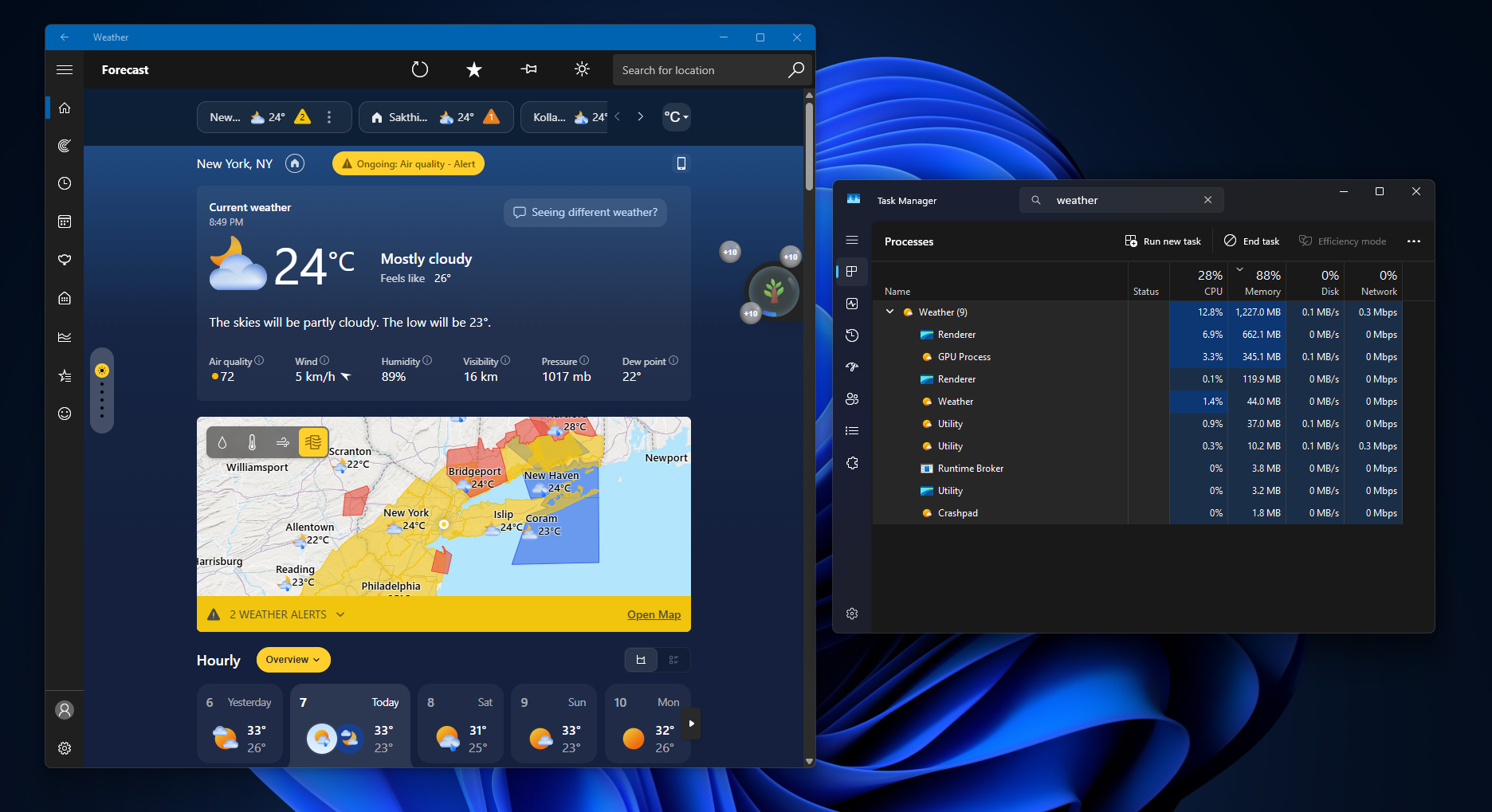
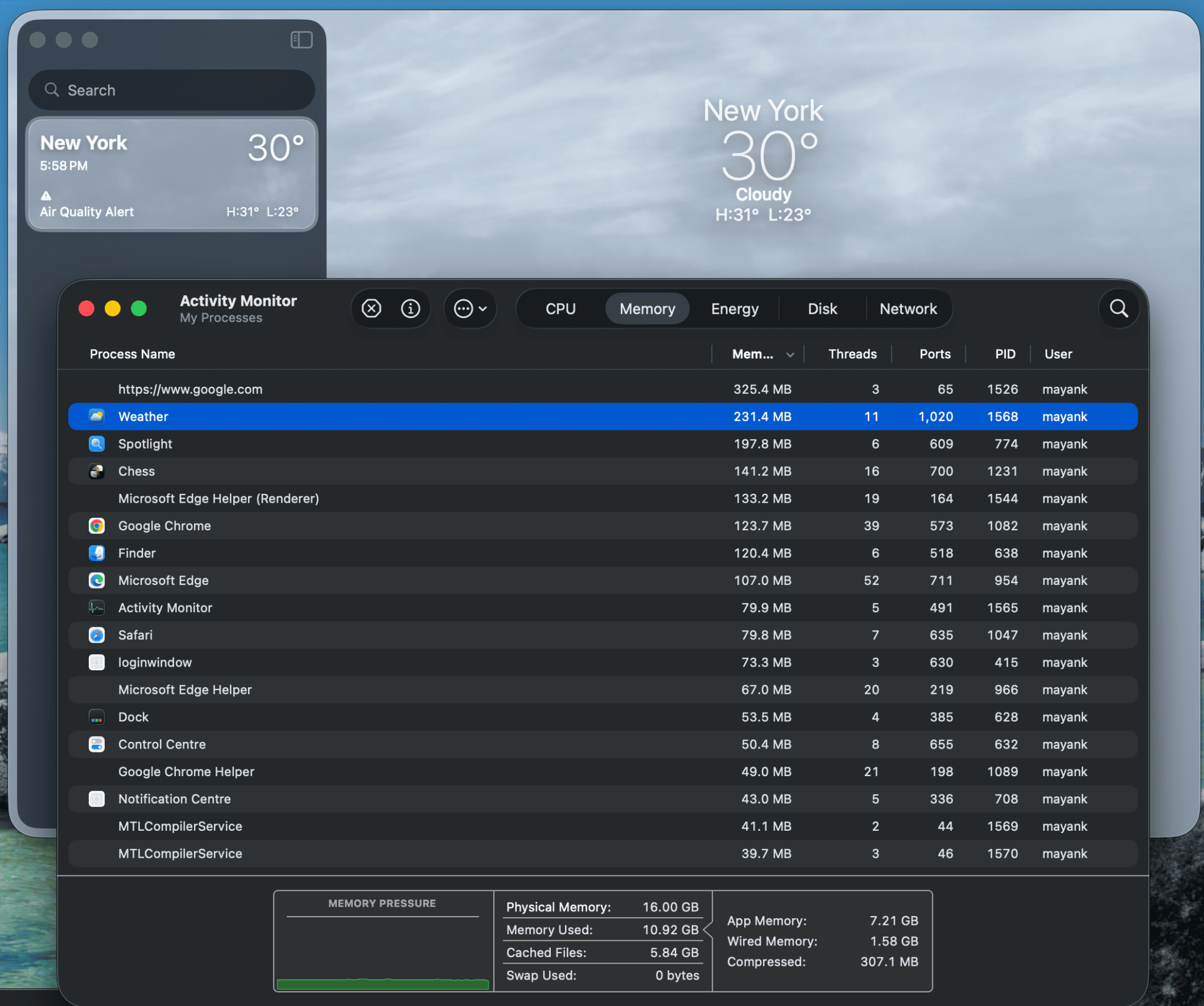
In testing reported by Windows Latest, Task Manager displayed 9 separate subprocesses under Weather while the application consumed more than 1.2 GB of memory. The application provides extensive functionality including live radar information, hourly wind and precipitation forecasts, air quality information, moon phase data, severe weather alerts, and sponsored content. The same comparison measured Apple's native macOS Weather application using approximately 246.7 MB of memory, placing the tested Windows application at close to 5 times the memory consumption under those particular conditions.
The timing makes these results particularly notable. Microsoft recently confirmed that it is actively working to lower the baseline memory footprint of Windows 11 and specifically highlighted memory optimization for systems equipped with 8 GB or more. The company says it is improving memory allocation, WinUI 3 efficiency, Chromium components, and WebView2 while also reducing system resource consumption more broadly. Microsoft originally outlined its Windows quality initiative in March and reiterated those memory goals on July 31.
The situation also follows Microsoft's decision to remove its previous recommendation suggesting 32 GB of RAM for more demanding gaming configurations. As covered in our report on Microsoft shifting Windows 11 toward better 8 GB memory efficiency, the company is increasingly focusing on making Windows operate efficiently with lower memory configurations rather than relying on users to compensate for software overhead by installing additional RAM. That strategy becomes increasingly important as PCs continue running games alongside browsers, Discord, launchers, recording software, RGB utilities, and other background applications competing for the same system memory.
A Weather application reaching around 1 GB or more of RAM usage is difficult to reconcile with Microsoft's renewed focus on Windows 11 efficiency, particularly when 8 GB PCs remain part of the mainstream market. WebView2 provides developers with obvious advantages because existing web experiences can be integrated into Windows without rebuilding every component as a native application, but that development convenience should not come at the expense of disproportionate system resource consumption.
For gamers, the issue is not that opening Weather will suddenly destroy gaming performance. The broader concern is cumulative overhead. Windows, browsers, launchers, communication software, hardware monitoring applications, RGB utilities, and WebView2 based services can collectively consume several gigabytes before a game even launches. If Microsoft genuinely wants 8 GB Windows 11 PCs to remain responsive in 2026, optimizing its own bundled applications is a logical place to demonstrate that commitment.
Should Microsoft rebuild more Windows 11 applications natively to reduce RAM usage, or is WebView2 acceptable if the company can optimize its resource consumption?
