
China Orders Some State Linked Organizations to Remove Windows 10 Government Edition Early
China is accelerating its move away from Microsoft software across parts of the public sector, with the Ministry of State Security reportedly instructing some state linked organizations to uninstall the customized Windows 10 CMIT Government Edition from their computers months earlier than previously planned. According to Bloomberg, the directive reflects Beijing's growing concern over dependence on foreign technology, although the specific security issues that triggered the accelerated removal have not been publicly detailed.
Windows 10 CMIT Government Edition was created through CMIT, a joint venture involving Microsoft and the state owned China Electronics Technology Group Corporation. Microsoft officially introduced the operating system in 2017 after working with the Chinese government on security requirements. The customized version was based on Windows 10 Enterprise but removed features such as OneDrive, gave authorities greater control over telemetry and updates, and supported Chinese encryption algorithms. China Customs, the City of Shanghai, and Westone Information Technology were among its first pilot customers.
The latest supported Windows 10 CMIT Government Edition V2022 L was originally scheduled to reach the end of its lifecycle on February 16, 2027. CMIT's official lifecycle documentation confirms that the version launched on January 28, 2022 and was intended to receive approximately 5 years of support. The new removal order therefore moves some government organizations away from the platform several months before that scheduled date.
The decision is part of a much broader shift toward domestic computing technology. Reuters recently reviewed 6 Chinese government computer procurement guides published between December 2023 and May 2026 and found that 5 did not recommend Microsoft products. The remaining guide included Windows 10 China Government Edition but placed it under additional management requirements. Microsoft told Reuters that no foreign operating system has been regarded as compliant with China's safe and reliable procurement framework.
China has also been gradually replacing foreign processors and software across government systems. Procurement policies introduced in recent years have encouraged domestic alternatives to products from Intel, AMD, Microsoft, and foreign database providers, while state owned enterprises have been working toward broader technology localization targets.

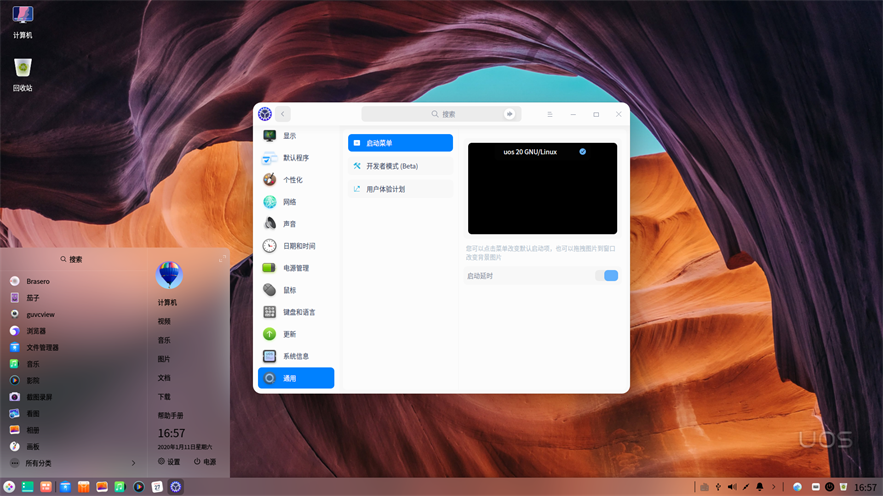
Domestic operating systems including Kylin and UnionTech UOS are among the platforms positioned to benefit from that transition, although the latest reported directive does not specify which operating system affected organizations must install in place of Windows. Suggestions that all removed systems will immediately move to HarmonyOS, Windows 11, or another specific platform therefore remain speculative.
The development also arrives as Microsoft's overall position in China changes. Reuters reports that Microsoft has closed at least 15 branch offices and joint ventures in China during the past 5 years as geopolitical pressure, domestic software competition, and United States technology restrictions reshape its operations. Microsoft nevertheless says it remains committed to the Chinese market, where cloud and AI services for Chinese companies operating internationally have become increasingly important.
Windows 10 CMIT Government Edition was specifically created to address Chinese government security concerns, making its accelerated removal particularly significant. Microsoft removed consumer functionality, enabled local encryption, and gave government customers greater control over updates and telemetry, yet the underlying dependence on foreign software has remained a strategic concern.
The important distinction is that this is not currently a nationwide order removing Windows from every Chinese government computer. Bloomberg reports that some state linked entities have received the instruction. Still, combined with procurement rules increasingly favoring domestic processors and operating systems, the decision reinforces a long term direction toward greater technological self reliance across China's public sector.
Can domestic operating systems realistically replace Windows across large government and enterprise environments, or will software compatibility remain the biggest obstacle?
