
ByteDance Bans United States AI Model Distillation as Anthropic Builds Custom Claude Chips
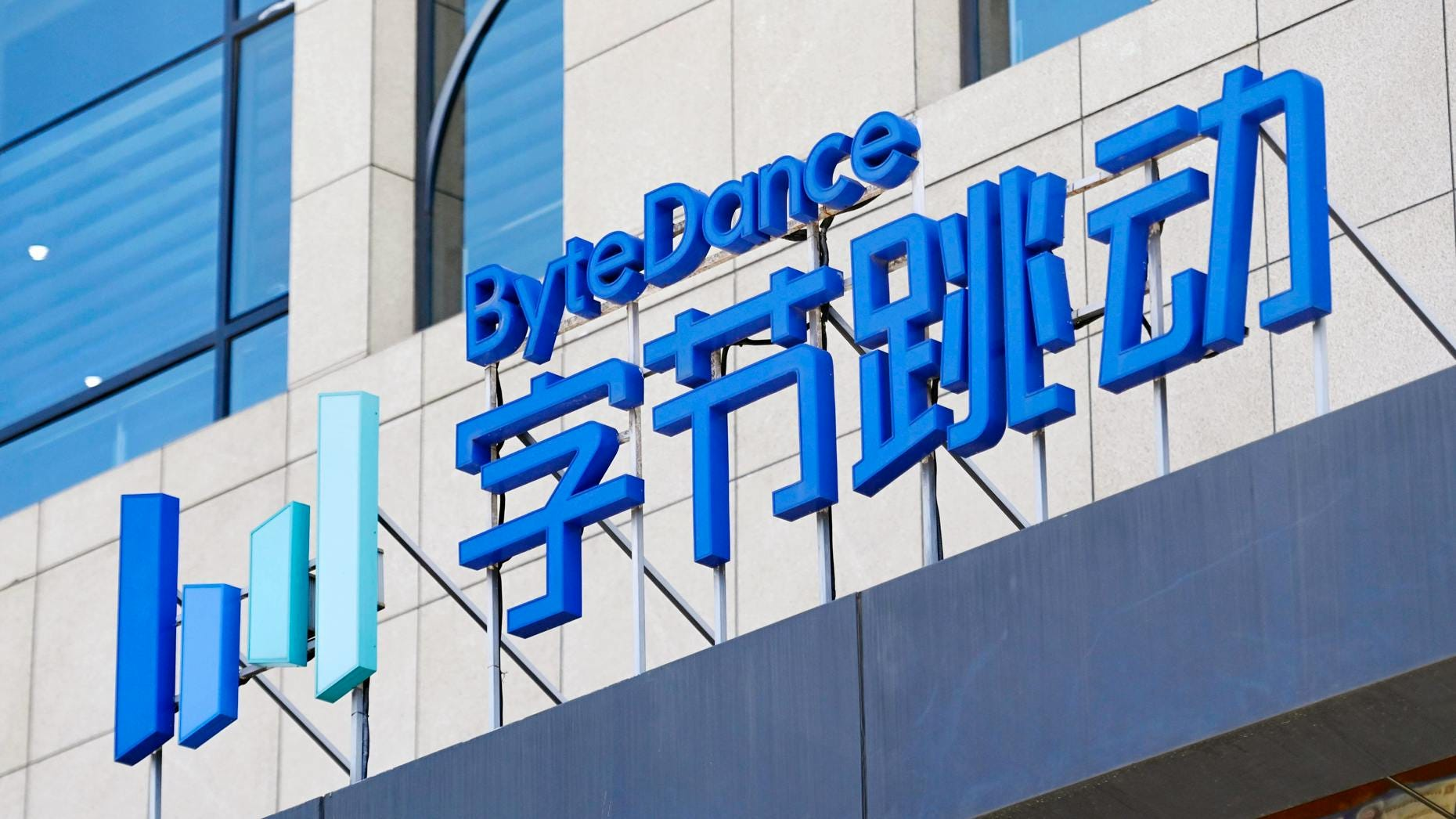
ByteDance has reportedly prohibited employees from using outputs from leading United States artificial intelligence models to distill capabilities into its own systems. The decision reflects growing concern that aggressive use of American models could trigger regulatory retaliation from Washington and create additional risk for TikTok, which remains one of the Chinese company’s most strategically valuable international businesses. According to The Information, founder Zhang Yiming instructed the company to prioritize long term stability rather than pursue faster model development through distillation.
"We should be willing to sacrifice some short term gains for longer term goals."
— Quote by: Zhang Yiming
Model distillation allows a smaller artificial intelligence system to learn from the responses produced by a more capable model. The technique is widely used legitimately when developers control the original model or have permission to use its output. The controversy begins when companies generate millions of interactions through unauthorized accounts or access restricted services to reproduce capabilities without approval from the original developer.
ByteDance’s reported restriction follows accusations that Chinese artificial intelligence companies have used American frontier models to accelerate their own development. United States officials recently alleged that Moonshot AI used outputs from Anthropic’s Claude Fable while developing Kimi K3, an accusation explored in our report on the Moonshot AI distillation dispute. Anthropic has also accused DeepSeek, MiniMax, Alibaba, and Moonshot of creating large networks of accounts to access Claude in violation of its service restrictions.
ByteDance employees had reportedly accessed Claude through personal subscriptions and virtual private networks, with some engineers receiving reimbursement from the company. Anthropic has been closing these access routes because its terms prohibit Chinese companies and their foreign controlled subsidiaries from using Claude. ByteDance’s new internal policy appears intended to reduce the risk that legitimate employee access could be interpreted as part of a wider model extraction program.
Alibaba has taken a similar but broader approach by restricting employee access to Claude Code. The company officially described the software as a security risk and directed workers toward domestic alternatives, although the decision also arrived amid accusations that its Qwen division had used unauthorized Claude interactions for model distillation.
While Chinese companies reduce their exposure to American models, Anthropic is moving deeper into custom hardware. The Claude developer confirmed that it is assembling an internal semiconductor design team to create specialized artificial intelligence chips. Engineers will work across hardware and software to design processors and models together, potentially improving Claude’s performance, efficiency, and operating cost at large scale.
Anthropic has not announced a chip architecture, manufacturing partner, performance target, or production schedule. Earlier reports said the company held preliminary discussions with Samsung regarding advanced manufacturing and packaging, but no final agreement has been confirmed. Broadcom already supports Anthropic indirectly through Google’s Tensor Processing Unit infrastructure, and Anthropic has committed to multiple gigawatts of next generation Google and Broadcom computing capacity beginning in 2027. This should not be interpreted as confirmation that Broadcom will design Anthropic’s internal processor.
Anthropic says the custom silicon initiative will complement rather than replace its existing infrastructure. Claude will continue operating across Amazon Trainium, Google Tensor Processing Units, NVIDIA graphics processors, and AMD accelerators. Developing an internal chip could still provide stronger negotiating leverage, reduce dependence on limited accelerator supply, and optimize specific inference workloads where even modest efficiency improvements produce major savings. Industry estimates suggest that creating an advanced artificial intelligence processor can require approximately $500 million before large scale manufacturing begins.
ByteDance’s decision shows that artificial intelligence competition is no longer focused only on model quality and computing power. Access methods, training data, model outputs, intellectual property, and geopolitical exposure are becoming equally important strategic considerations.
Avoiding unauthorized distillation may slow short term development, but it could protect ByteDance from becoming the next central target in Washington’s artificial intelligence policy. The company already faces exceptional political exposure through TikTok, giving it stronger reasons than most Chinese laboratories to avoid practices that could be presented as technology appropriation.
Anthropic’s custom chip strategy represents the other side of the same competition. American artificial intelligence companies are attempting to protect model capabilities while gaining tighter control over the processors used to operate them. Anthropic is already exploring alternative inference architectures, including reported discussions involving Fractile’s memory and compute fusion technology, which shows that the company is evaluating several paths rather than committing its future to one supplier.
Will banning United States model distillation strengthen ByteDance’s long term independence, or place it behind Chinese competitors willing to take greater risks?
