
Bethesda Says DLSS 5 Demo Is a Very Early Look, Will Be Tuned by Developers, and Remains Optional for Players
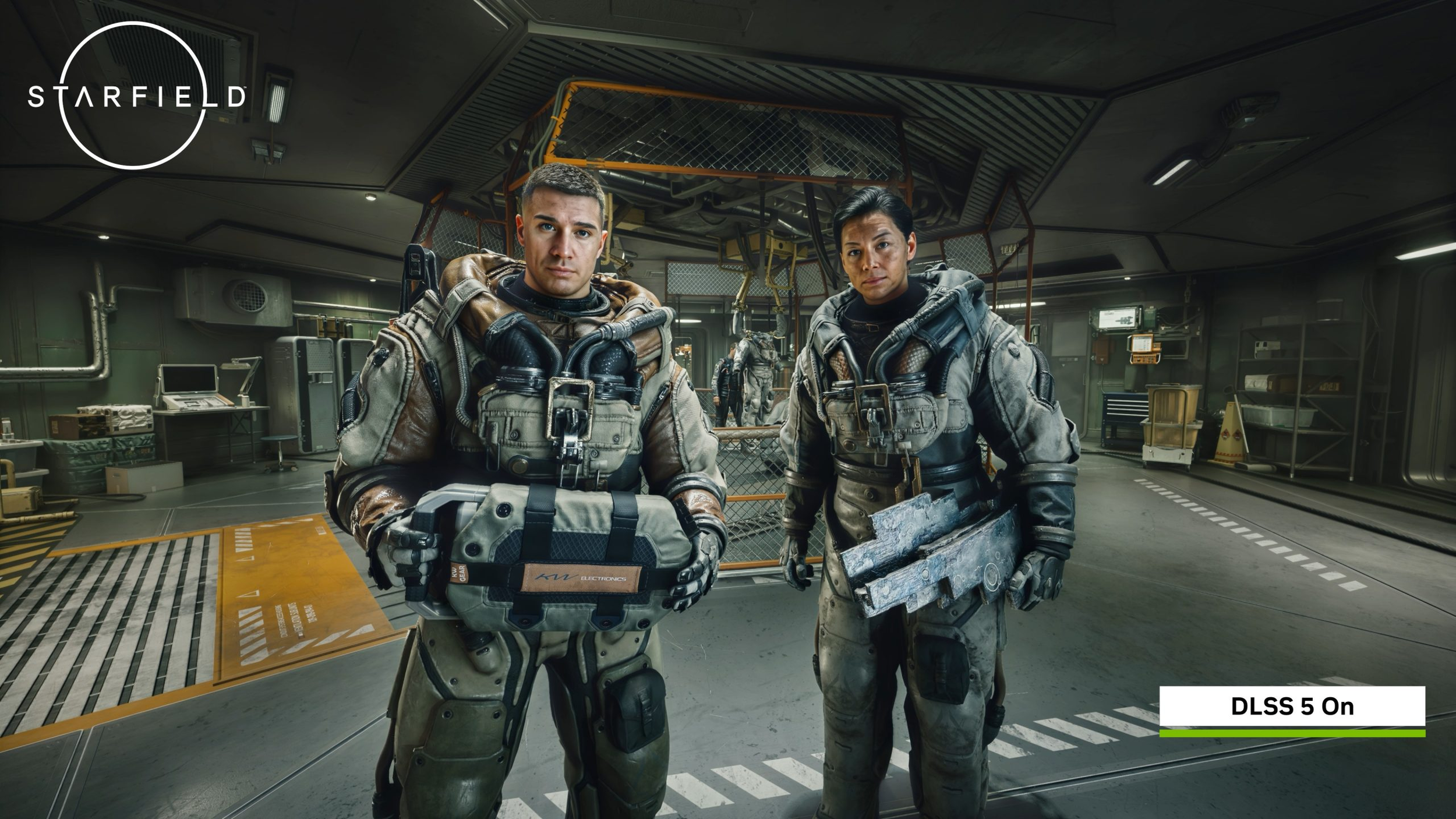
Bethesda Game Studios has now responded directly to the growing debate around NVIDIA’s new DLSS 5 technology, and its message is clear. The version shown so far is not final, it will be further adjusted by Bethesda’s own art teams, and players will not be forced to use it. In a public reply on X, Bethesda said the showcase was “a very early look” and stressed that the final effect will stay under artist control, which directly addresses one of the biggest criticisms surrounding the reveal.
Appreciate your excitement and analysis of the new DLSS 5 lighting here. This is a very early look, and our art teams will be further adjusting the lighting and final effect to look the way we think works best for each game. This will all be under our artists’ control, and…
— Bethesda Game Studios (@BethesdaStudios) March 16, 2026
That clarification matters because DLSS 5 has quickly become one of the most controversial gaming technology stories to come out of GTC 2026. NVIDIA officially announced DLSS 5 on March 16, 2026, describing it as a real time neural rendering model that adds photoreal lighting and material behavior while still giving developers control over intensity, color grading, and masking. Bethesda’s response now reinforces that point from the developer side, making it clear that any final implementation in Starfield or The Elder Scrolls IV: Oblivion Remastered will be shaped by the studio itself rather than applied in a fixed way.
Bethesda’s exact message was straightforward. The studio thanked people for the analysis and excitement, then said its art teams would continue adjusting the lighting and final effect to match what works best for each game. It also said the feature would be totally optional for players. That is a key point because much of the early backlash assumed the new rendering approach might become a mandatory visual layer. Based on Bethesda’s statement, that is not the plan. Like other DLSS features, it is expected to be a toggle in the graphics settings rather than a forced default.
At the same time, Bethesda is still clearly enthusiastic about the technology itself. NVIDIA’s official announcement included a statement from Todd Howard, who said DLSS 5 helps artistic style and detail shine through without being held back by the usual limits of real time rendering, and confirmed Bethesda is working to bring it to Starfield and future Bethesda titles. That lines up with the broader impression from the early demo material, including the video showcase, where Bethesda appears positioned not as a reluctant partner, but as one of the more visible supporters of DLSS 5’s lighting focused approach.
This also helps reframe the public conversation. A lot of the criticism aimed at DLSS 5 has focused on early character examples and whether the technology alters the intended look of faces or scenes too aggressively. Bethesda’s response does not dismiss those concerns, but it does suggest the current footage should be treated as an early demonstration rather than a locked final shipping result. In practical terms, that gives the studio room to refine how strong the effect is, where it appears, and how it fits each title’s visual identity before release.
For NVIDIA, this kind of developer support is important. The company has said DLSS 5 will arrive this fall and listed Bethesda among the major publishers planning support. For Bethesda, the statement is equally important because it reassures players that the studio is not handing visual authorship over to a black box system. The final look, according to Bethesda, will still be in the hands of its own artists, and anyone who dislikes the feature can simply turn it off.
The bottom line is that Bethesda has now offered one of the clearest responses yet to the early DLSS 5 backlash. What players have seen so far is an early preview, not the finished implementation. The studio says its artists will continue tuning it, the feature remains under developer control, and it will be optional anyway. That does not end the debate around DLSS 5, but it does make one thing much harder to argue: Bethesda is fully aware of the concerns, and it is not treating the current demo as the final word.
Does Bethesda’s response make you more open to DLSS 5, or are you still not convinced by this new direction?
