
Bethesda Artist Says Xbox Ownership Turned Rare Layoffs Into a Yearly Routine
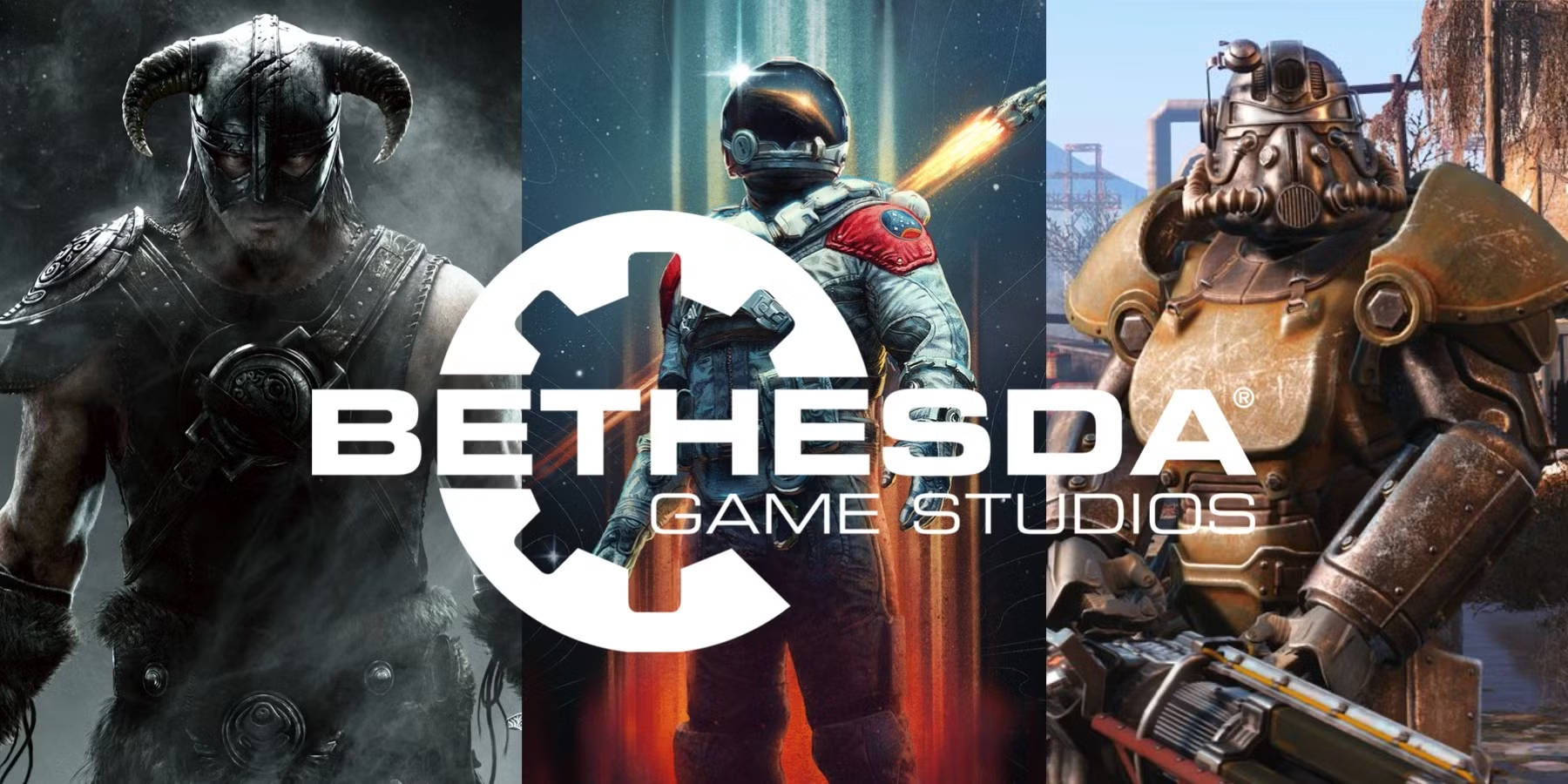
A longtime Bethesda Game Studios developer says the working environment inside the company has changed significantly since Microsoft acquired ZeniMax Media in 2021, with layoffs going from an uncommon event to something employees now expect almost every year. Speaking with Kotaku, Lead Character Artist Alex Nguyen explained that Bethesda and ZeniMax previously had a reputation for unusually long employee tenures, with some developers viewing the company as somewhere they could remain until retirement.
Nguyen did not claim layoffs were completely nonexistent under the independent ZeniMax organization. Instead, he said they were relatively rare, and employees were generally given opportunities to address development problems rather than immediately facing workforce reductions. He pointed toward the troubled launches of Fallout 76 and The Elder Scrolls Online as examples where teams remained in place and were given time to improve the games.
"We didn't have layoffs before, and now all of a sudden we have yearly layoffs."
— Quote by: Alex Nguyen
The comments arrived around the Save Our Devs rallies held August 18 across 9 cities in the United States and Canada, organized with support from the One Bethesda Game Studios union and the Communications Workers of America. Workers used the demonstrations to protest repeated layoffs across Xbox and push for stronger employment protections for developers who remain inside Microsoft's gaming organization.
Microsoft announced its latest major Xbox restructuring on July 6, confirming plans to eliminate approximately 3,200 Xbox positions during FY27. Around 1,600 roles were removed immediately, with another approximately 1,600 reductions planned during the following 12 months. The restructuring affects Bethesda, ZeniMax, Activision, Blizzard, King, Mojang, and Xbox Game Studios, although Microsoft says none of its publicly announced first party games are being cancelled as part of the current reductions.
The Communications Workers of America said hundreds of union represented developers were included in the initial cuts and specifically identified Bethesda Game Studios, id Software, and ZeniMax Online Studios among the heavily affected teams. Microsoft has argued that its broader Xbox reset is intended to reduce organizational complexity, remove management layers, lower operating costs, and concentrate investment around higher priority projects. Workers interviewed by Kotaku dispute the idea that the impact has primarily fallen on management, saying many of the eliminated positions belonged to developers directly responsible for producing and maintaining games.
Another concern is the loss of institutional knowledge. Nguyen explained that removing experienced employees can force remaining teams to relearn systems and workflows previously understood by veteran developers. That issue is particularly important for studios operating proprietary technology and franchises developed across decades. The impact has already surfaced elsewhere inside Bethesda, with The Elder Scrolls Online developers warning that future content production will slow following the Xbox reductions, while questions have also surrounded the future development capacity of id Software and id Tech.
Microsoft completed its acquisition of ZeniMax Media on March 9, 2021, bringing Bethesda Game Studios, id Software, ZeniMax Online Studios, Arkane, MachineGames, and several other developers into Xbox. Microsoft later reported the total acquisition price at approximately 8.1 billion$. Bethesda Game Studios workers formed a wall to wall union represented by CWA in 2024, covering developers across art, engineering, programming, and design.
For Bethesda employees, the current concern extends beyond a single restructuring. Nguyen's comments describe a shift in expectations around long term employment, while Technical Producer Nathan Hahn told Kotaku that morale surrounding day to day development has fallen considerably even as worker confidence in collective action has increased. OneBGS and CWA are continuing to bargain with Microsoft over employment protections and how future workforce reductions are handled.
Layoffs are not unique to Microsoft, and the gaming industry has experienced widespread restructuring across publishers and studios for several years. What makes Bethesda's situation particularly significant is the contrast described by developers who experienced both eras of the company.
Long term employees carry knowledge that cannot immediately be replaced by reorganizing teams or hiring contractors. Bethesda's games depend on enormous interconnected systems, proprietary technology, established production pipelines, and developers who understand why decisions were made years earlier. Repeatedly removing experienced staff can therefore create costs that are difficult to measure on a quarterly financial statement but become visible later through slower production, technical problems, and reduced creative continuity.
Microsoft says its Xbox reset is intended to create a smaller and more focused organization. Whether that strategy produces stronger games will ultimately depend on whether the remaining teams have enough stability, experience, and resources to build them.
Can Microsoft make Xbox more efficient through repeated restructuring without damaging the long term development culture and institutional knowledge behind studios such as Bethesda?
