
ASUS Teases AM5 NEO Motherboards Ahead Of CES 2026 With ROG, TUF Gaming, And ProArt Refresh Signals
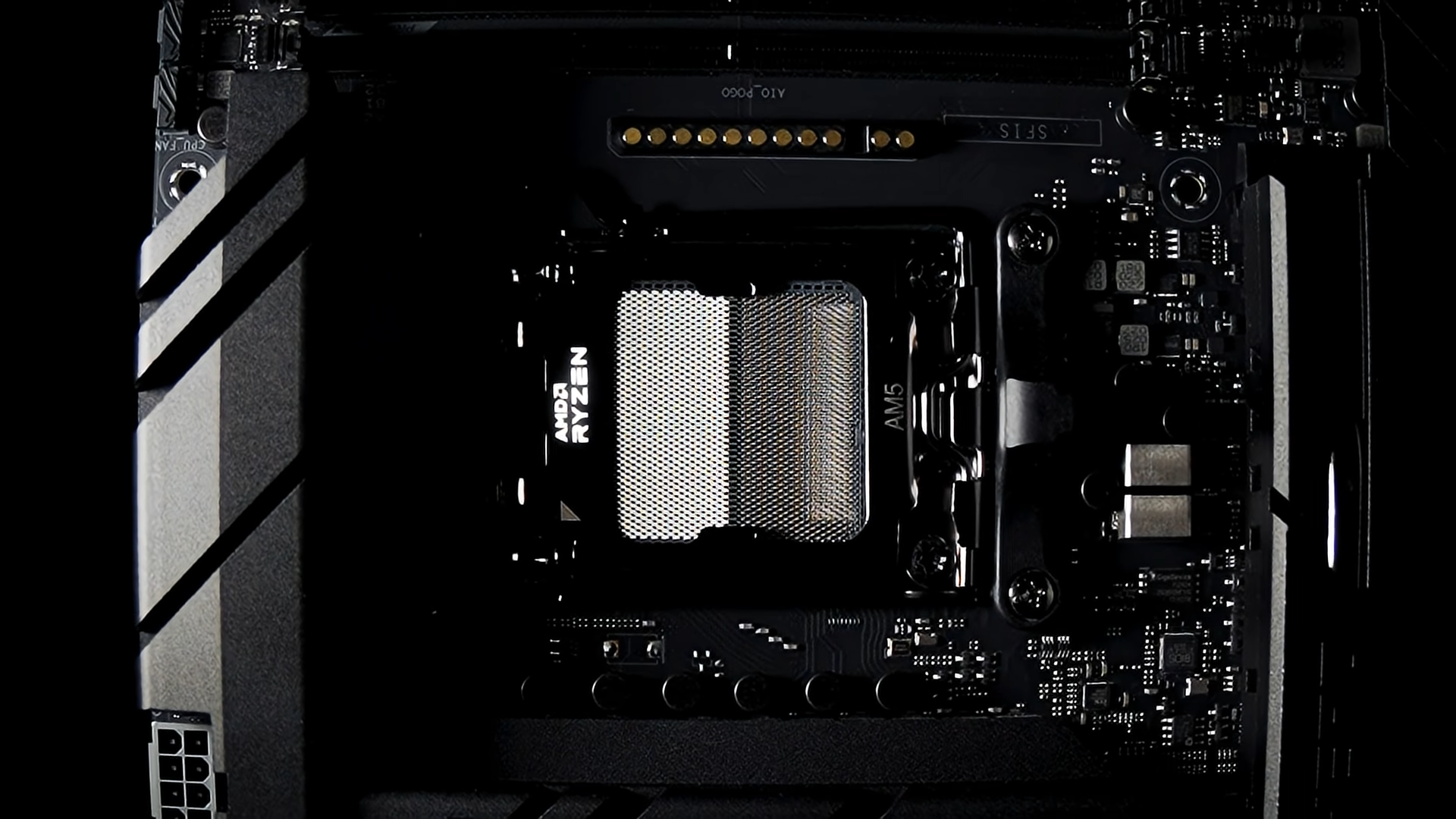
ASUS is ramping up its CES 2026 momentum with an early teaser for a new AM5 motherboard refresh lineup branded as NEO, signaling that the company is preparing updated versions of its most recognizable desktop board families for the next wave of Ryzen builds.
In a short 18 second YouTube teaser titled Stay tuned.. NEO motherboards are coming, ASUS flashes multiple motherboard models from different angles and lighting passes, offering a clear branding reveal while keeping the specification sheet firmly under wraps.
What stands out immediately is that the NEO label is not positioned as a single niche product, but as a series refresh that appears to span several of ASUS’s flagship ecosystems. The video suggests NEO variants are coming under well known families including ROG, TUF Gaming, and ProArt Creator, which is a strong indicator that ASUS intends to cover enthusiast gaming builds, durable value focused builds, and creator workstation oriented builds under one unified refresh strategy.
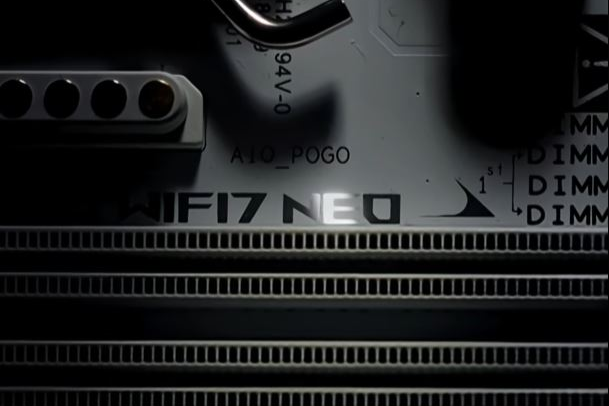
Based on what is visible in the close up shots, ASUS also seems to be using NEO as a naming suffix to differentiate updated boards from existing models, rather than reinventing the naming stack entirely. One shot shows a board label ending with WIFI7 NEO, which implies ASUS may keep current model naming continuity while appending NEO to mark the refresh generation. That approach is operationally smart for retail and channel clarity, since it lets buyers instantly spot the refreshed version without needing a brand new SKU taxonomy.
In terms of what this could mean for actual hardware changes, the early read is that NEO is likely to be an incremental upgrade path rather than a full platform reset. Most motherboard vendors have already shipped AM5 800 series era boards for some time, so a NEO refresh cadence would typically target practical improvements such as connectivity polish, wireless revisions, IO tuning, minor board layout changes, and quality of life refinements that matter for builders who want the most current feature set without waiting for an entirely new chipset wave.
For gamers and builders planning for 2026, this is a familiar but important cycle. Motherboard refreshes are often where small but meaningful details get tightened, like next gen WiFi, improved port selection, cleaner BIOS and firmware maturity, or better memory compatibility tuning. If you are building on AM5, CES 2026 is shaping up as the moment where ASUS will clarify whether NEO is mainly a connectivity refresh, a stability plus validation upgrade, or something broader.
If ASUS NEO boards are mainly a refresh, what would matter most for your next AM5 build in 2026, better memory compatibility, stronger WiFi and IO, or improved stability tuning for high core count Ryzen systems?
