
ASUS Shows Its First ROG DDR5 Memory Kit Running at 8800 MT/s on the ROG Crosshair X870E APEX
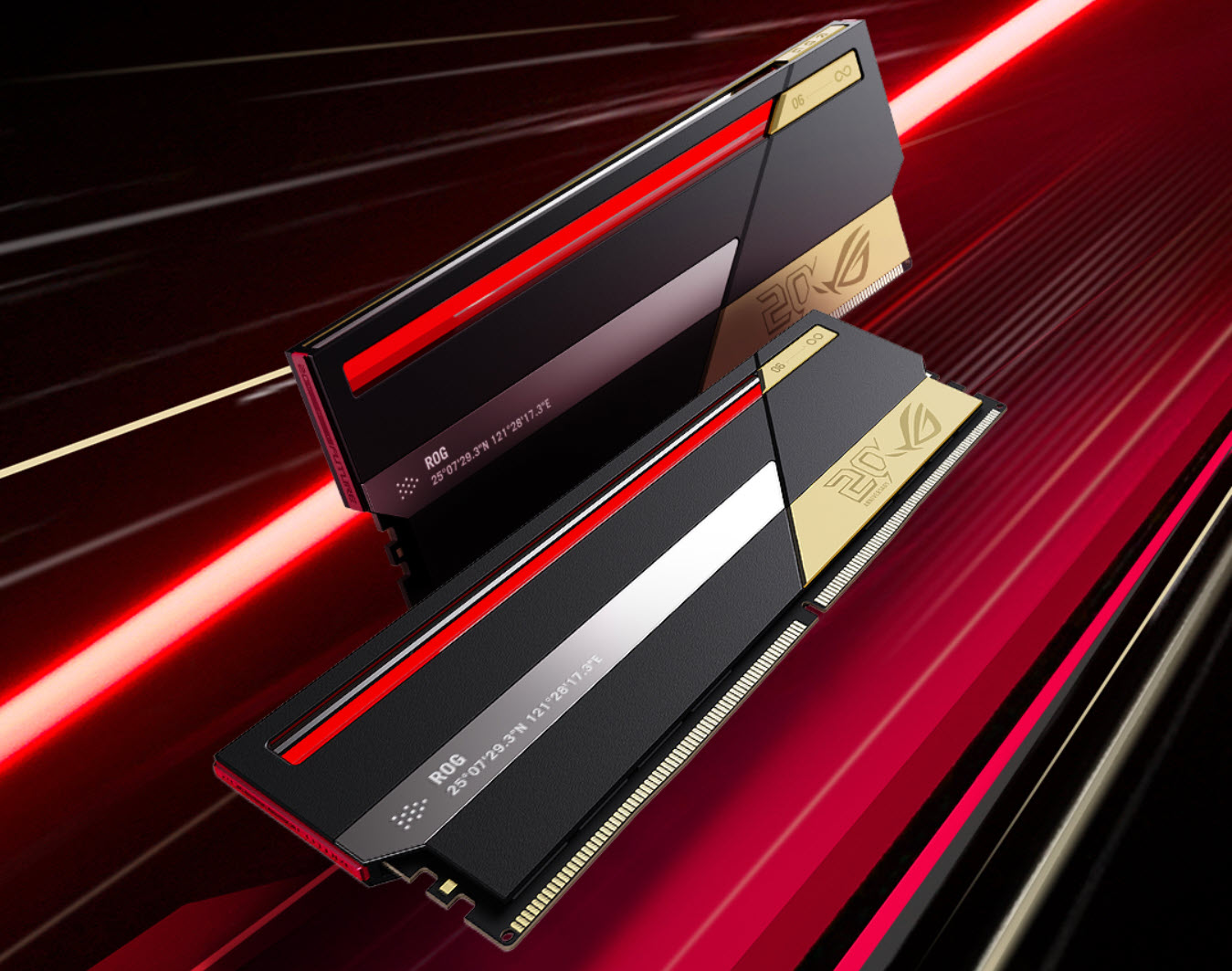
ASUS has officially entered a new chapter for its Republic of Gamers ecosystem with the introduction of its first ROG branded DDR5 memory modules, a 48 GB kit designed for high performance systems, enthusiast builds, and overclocking focused platforms. The launch continues ASUS ROG’s 20th anniversary celebration, while also expanding the brand beyond motherboards, graphics cards, displays, cooling, peripherals, and laptops into the desktop memory segment.
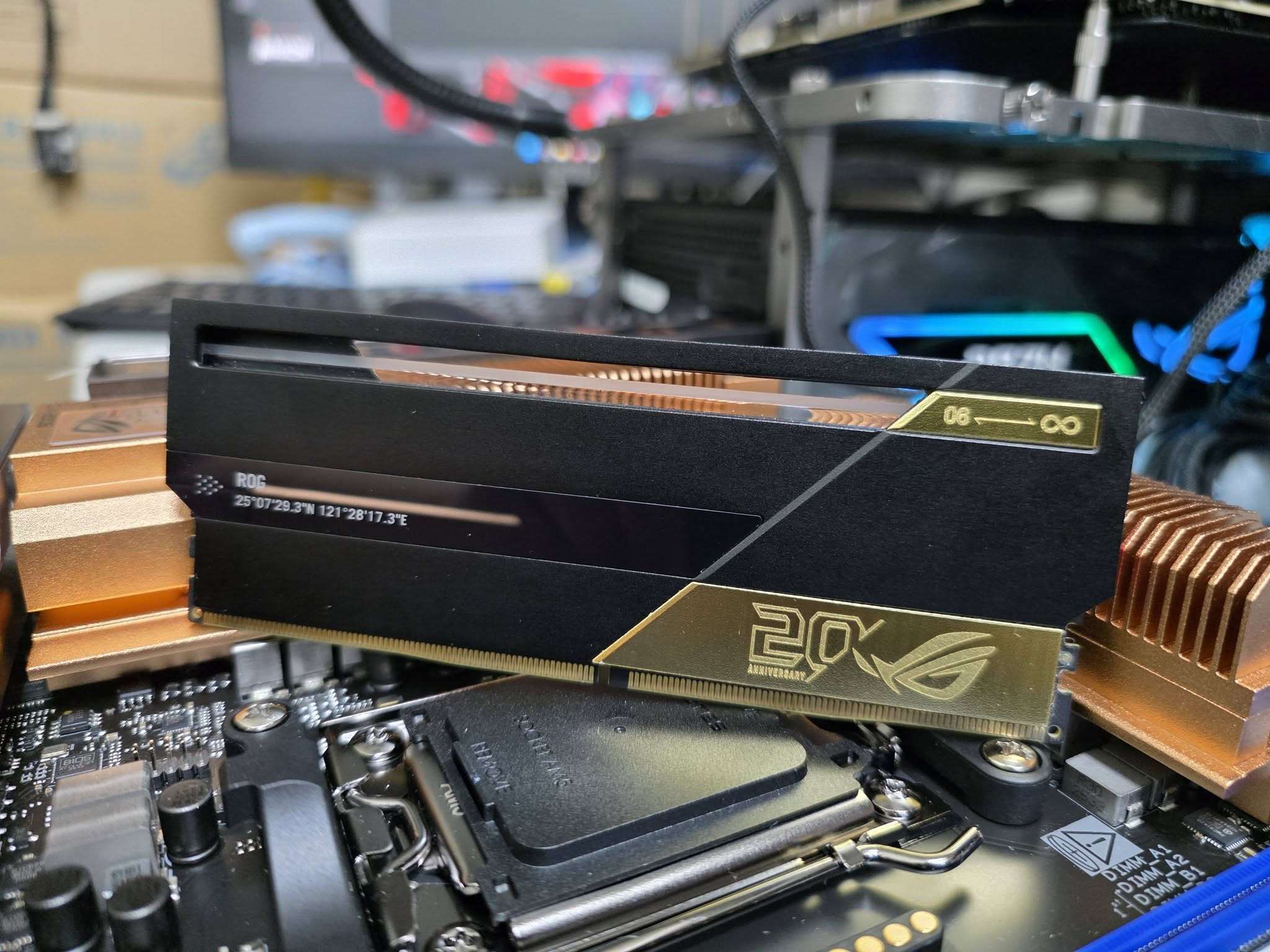
The new ROG DDR5 memory kit was showcased alongside the ROG Crosshair X870E APEX motherboard, a modern AM5 overclocking platform inspired by the legacy of the original ASUS Crosshair motherboard from 2006. With X870E platform support, AMD Ryzen 9000 compatibility, and ASUS’s high end memory tuning features, the motherboard is positioned as a showcase product for extreme DDR5 performance and next generation AMD enthusiast builds.
During the overclocking session shared by ASUS in house overclocker Safedisk, 2 ASUS ROG 20th Edition DDR5 memory modules were used on the ROG Crosshair X870E APEX motherboard. Each module carries 24 GB of capacity, creating a total kit capacity of 48 GB. The memory modules are labeled as ROGACN6000CL30 24GBROG20, with default specifications of 6000 MT/s and CL26 timings.
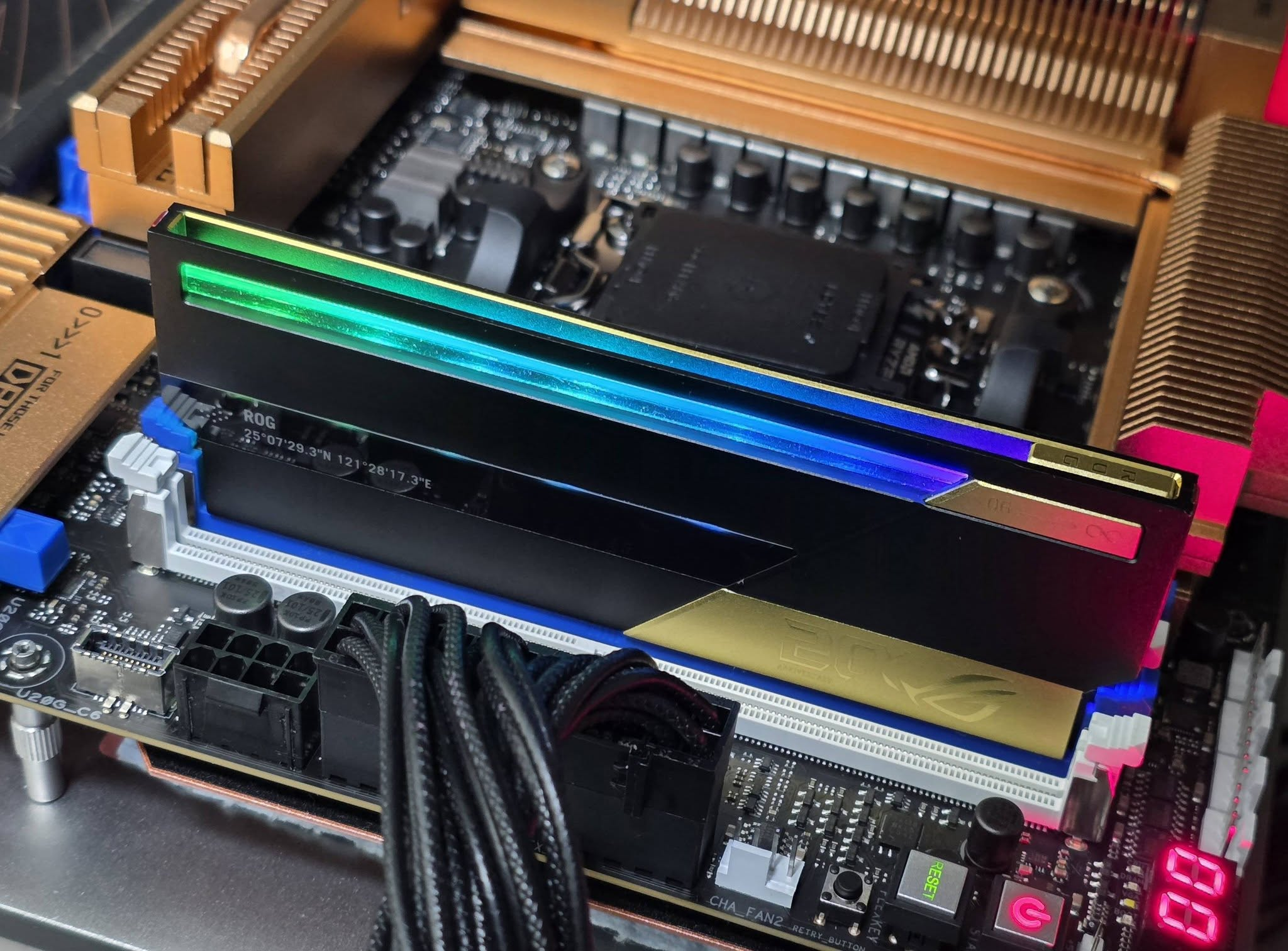
The test platform used an AMD Ryzen 9 9950X3D processor paired with the ROG Crosshair X870E APEX motherboard running the latest AGESA 1.3.0.1 BIOS firmware, version 2301. This BIOS also brings preliminary AMD EXPO 1.2 support to ASUS 800 series motherboards, which is an important step for future memory profile development, ultra low latency tuning, and DDR5 optimization on AMD platforms.
In the overclocking demonstration, the 2 ROG DDR5 modules were pushed to 8800 MT/s with CL34 timings. Stability was tested using RunMemtestPro, where the setup reached an average coverage of 114.50% across an uptime of 47 minutes. The modules were operating at 1.70V and were water cooled, allowing temperatures to remain below 20C during the test.
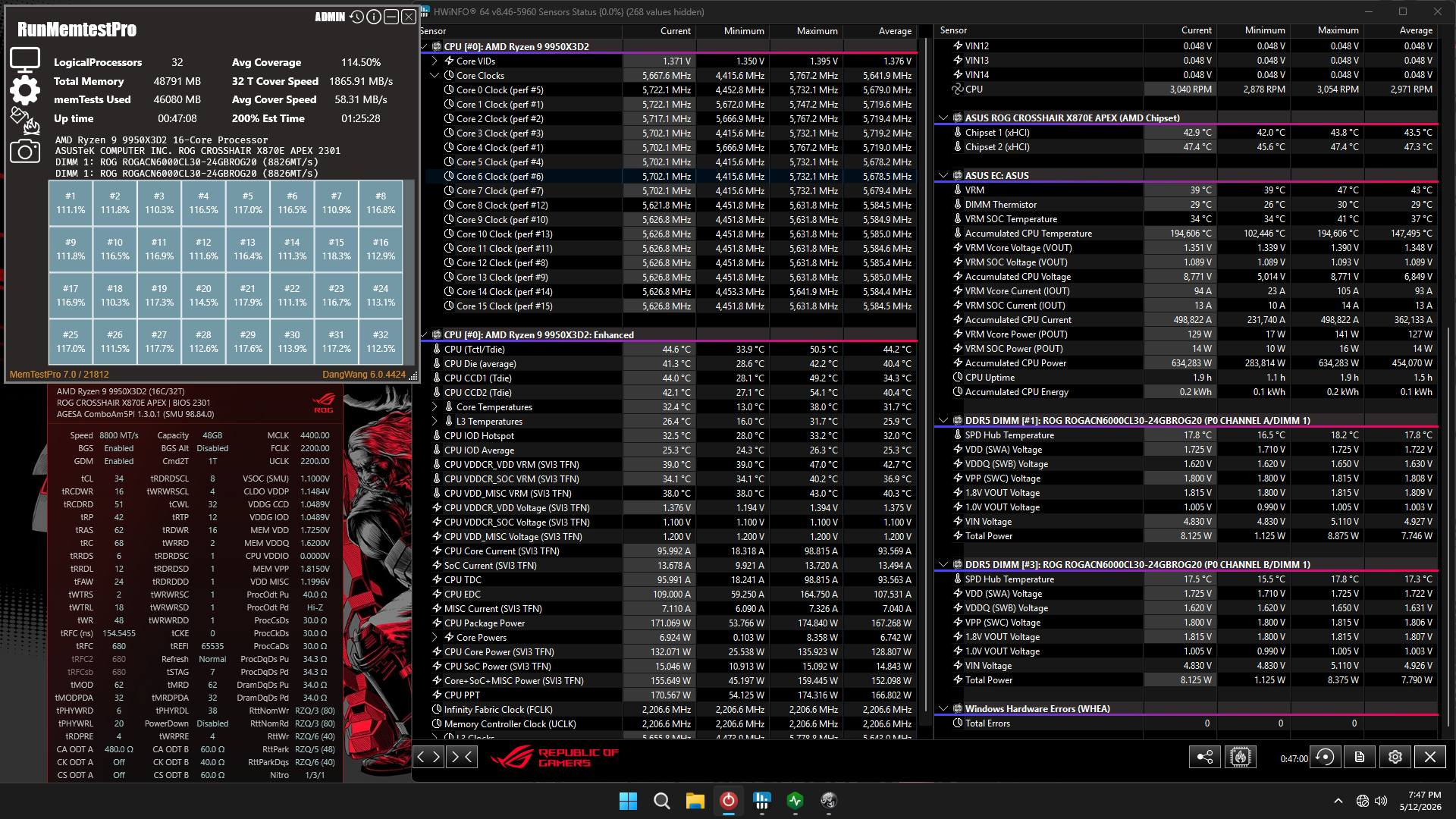
While 8800 MT/s is not a typical daily use configuration for most gaming PCs, the result is still important from a platform validation and tuning perspective. It shows that ASUS’s first ROG DDR5 memory kit can scale well beyond its standard 6000 MT/s profile when paired with a purpose built overclocking motherboard, updated BIOS support, high voltage tuning, and proper cooling. For enthusiasts, this positions the kit as more than a collector focused 20th anniversary product. It also demonstrates serious headroom for memory overclocking on AMD’s AM5 platform.
The timing of this launch is also significant. The global memory market is currently under heavy pressure from rising DDR5 demand, AI server deployments, workstation expansion, and broader consumer PC upgrades. ASUS entering the memory segment with a premium ROG DDR5 kit signals that the company may be preparing to expand deeper into the full system component ecosystem. For users who already build around ROG motherboards, GPUs, power supplies, cooling, cases, and peripherals, ROG branded memory creates a more complete platform identity.
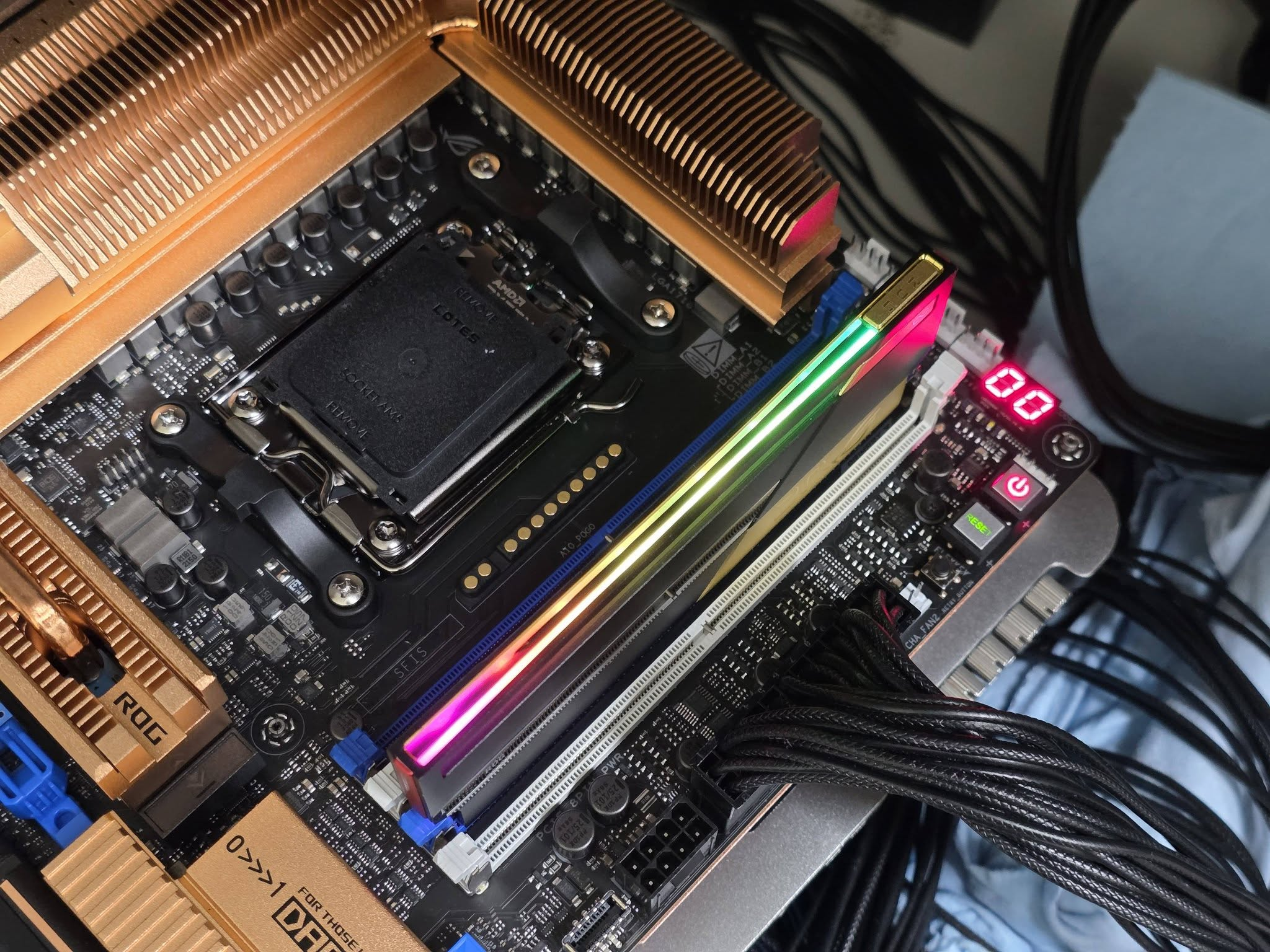
For the gaming audience, the practical impact will depend on availability, pricing, platform support, and how ASUS continues to develop its memory lineup. The first ROG DDR5 kit is clearly aimed at enthusiasts, collectors, and high end builders, but it may also open the door for future mainstream ROG memory products. If ASUS continues this direction, the company could become a more direct competitor in the premium DDR5 market, especially against established gaming memory brands that already focus on RGB design, tuned profiles, and motherboard compatibility.
The ROG Crosshair X870E APEX demonstration also reinforces the importance of BIOS maturity in modern DDR5 overclocking. Memory performance is no longer only about the module itself. It depends on the motherboard layout, firmware, CPU memory controller quality, voltage tuning, cooling method, and profile support such as AMD EXPO. With preliminary EXPO 1.2 support now appearing on ASUS 800 series motherboards, future DDR5 kits may see improved tuning flexibility and better platform level optimization.
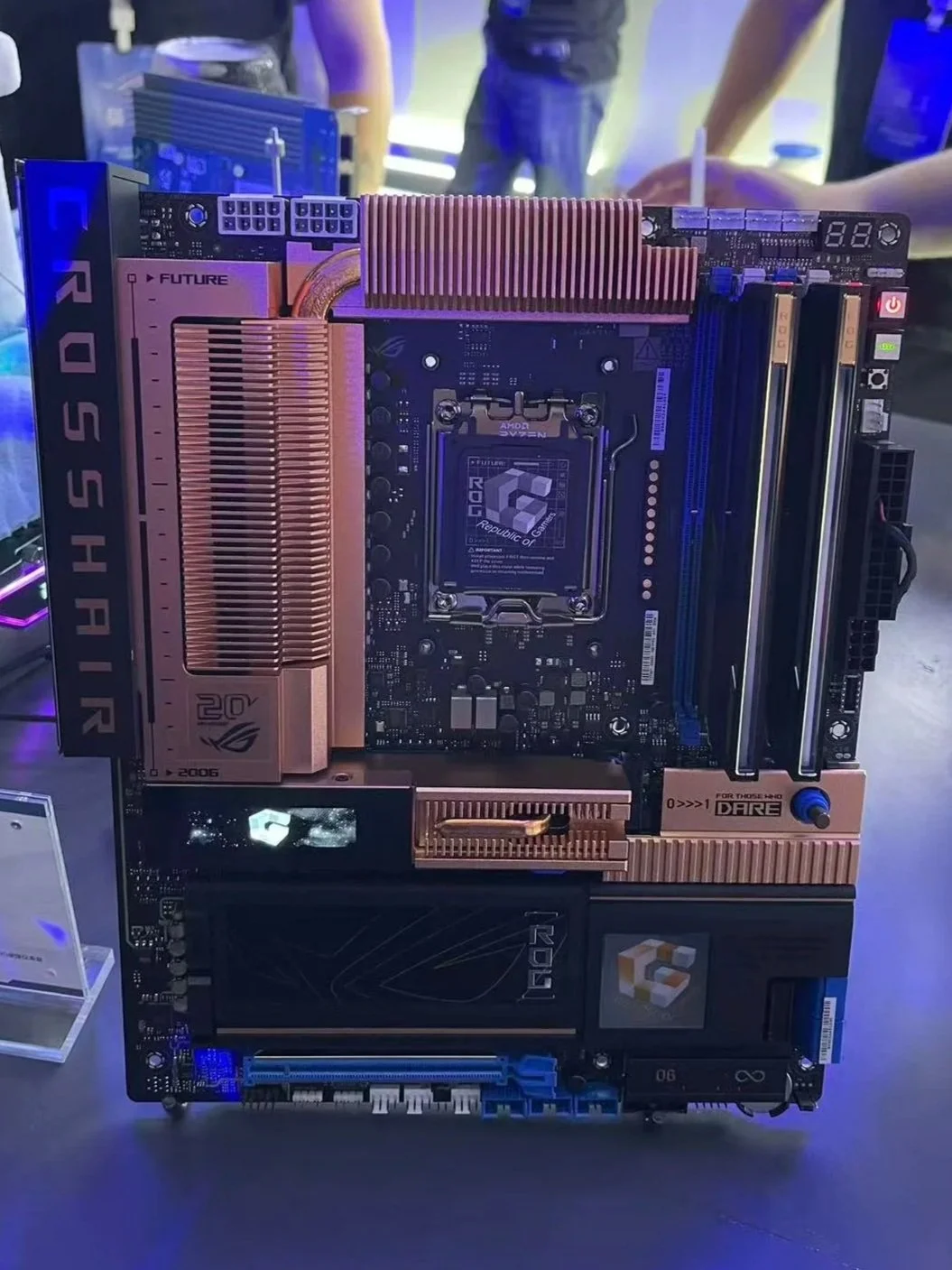
ASUS’s first ROG DDR5 memory launch may have started as part of a 20th anniversary celebration, but the 8800 MT/s showcase suggests a larger ambition. The company is not simply adding another RGB component to the ROG lineup. It is testing how far it can push memory performance inside its own ecosystem, using a flagship motherboard, updated firmware, and a high end AMD processor to demonstrate what its first ROG memory kit can achieve.
With the ROG brand now stepping into DDR5 memory, ASUS is moving closer to offering a nearly complete ROG gaming platform. For PC enthusiasts, that means more ecosystem integration, more tuning potential, and another major player entering the premium memory space.
What do you think about ASUS entering the DDR5 memory market? Would you build a full ROG system with ROG branded RAM, or would you still prefer established memory brands for performance and reliability?
