
ASUS Says The Off Center 16 Pin Power Connector On ROG Matrix RTX 5090 Is Intentional Design
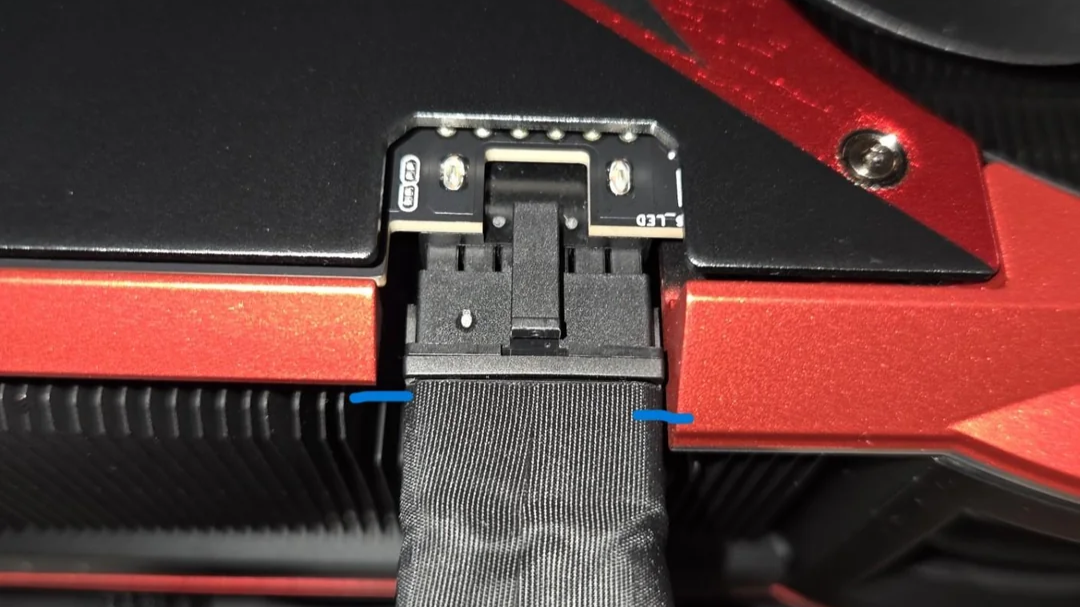
A new Reddit user report is raising fresh concerns about connector clearance on one of the most premium, most limited graphics cards in the enthusiast market. A buyer of the ASUS ROG Matrix RTX 5090 says they were unable to properly seat a 16 pin power plug because the connector appears slightly misaligned relative to the cooler frame, leaving very little clearance for the plug housing and making it harder to confirm a fully secure connection.
The core issue described by the user is mechanical tolerance and access, not raw power delivery capability. When the connector is offset to the right, the surrounding shroud and frame can interfere with certain cable and plug housings, which may prevent the connector from seating completely or make it difficult to visually confirm full insertion. In a market still sensitive to 16 pin power connector safety and user confidence, even a small clearance constraint can become a practical usability problem, especially for builders using thicker third party cable solutions or angled adapters.
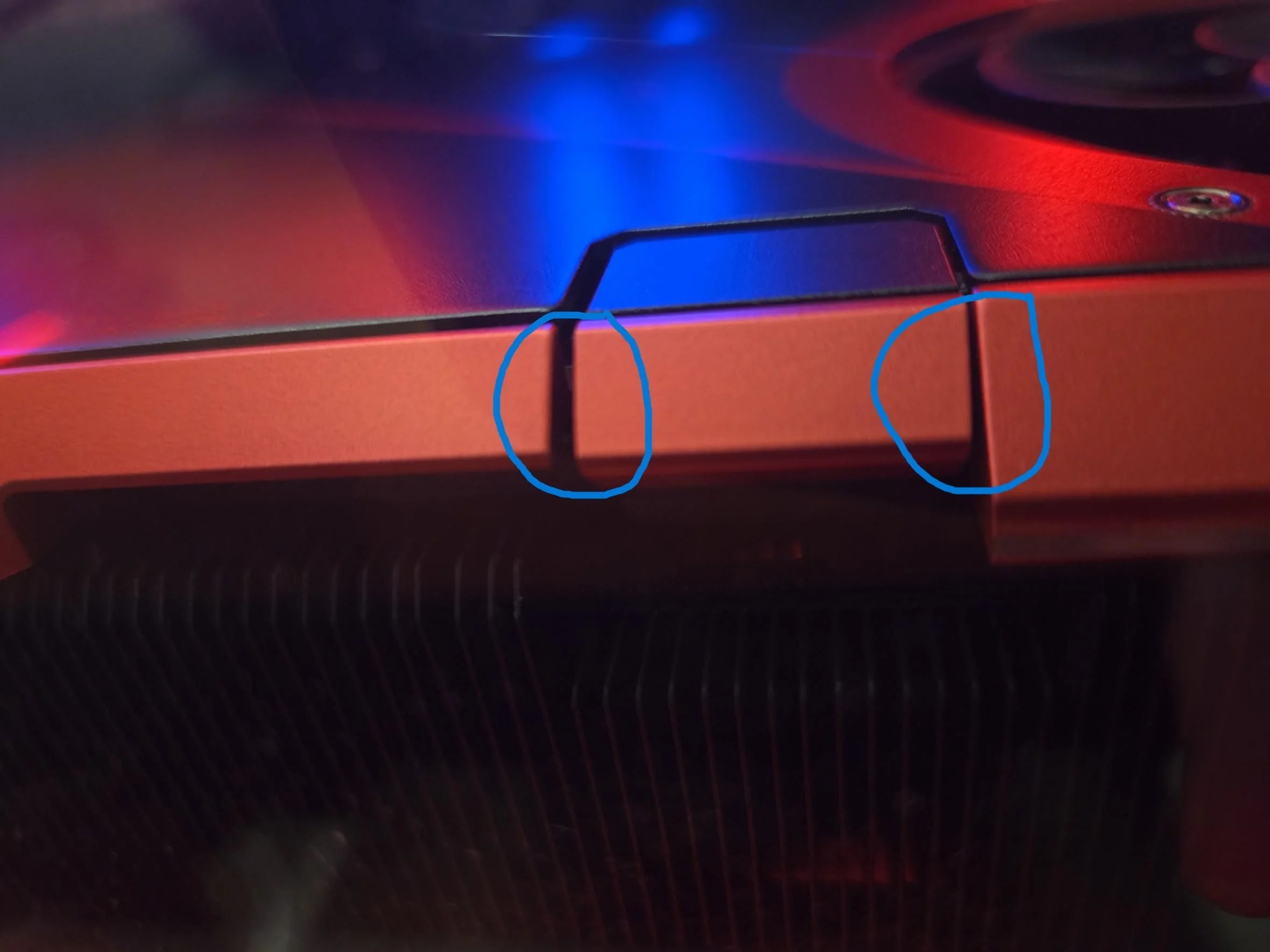
According to the user, ASUS provided an official response after the complaint was escalated. The company message states that engineering reviewed the concern and that the non centered positioning is part of the original product design, based on overall structural and electrical layout considerations. In other words, ASUS is positioning this not as a defect, but as a deliberate design tradeoff.
The situation is amplified by the product’s positioning. The ROG Matrix RTX 5090 is described as a roughly 4000 dollar class GPU in the user post, and availability is extremely limited, with only 1000 units referenced. That combination sets a very high expectation for fit, finish, and builder friendliness, especially among enthusiasts who treat limited edition cards like collector hardware and who typically run custom cabling, premium power supplies, and showcase builds.
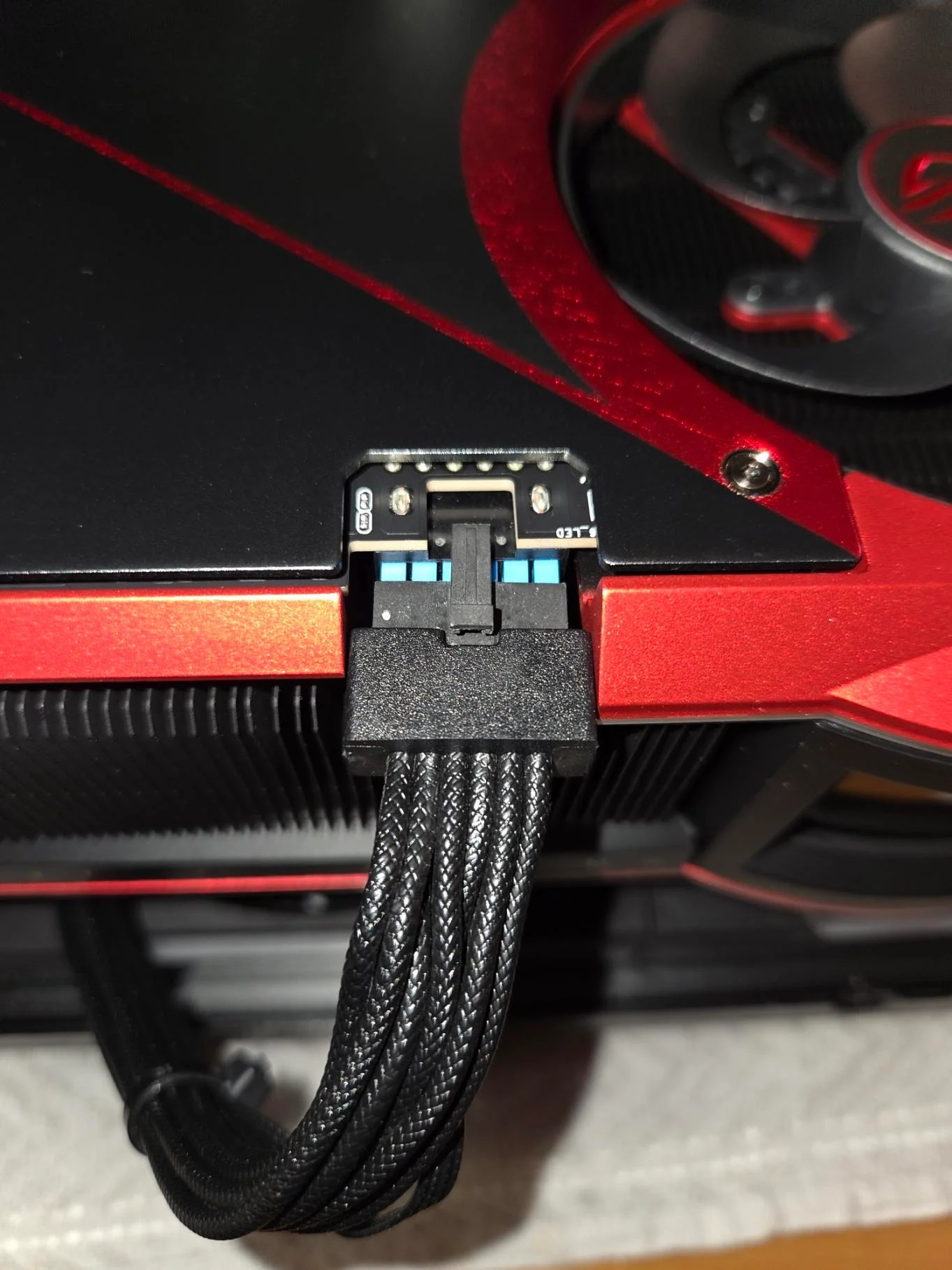
The user says they plan to return the card, citing ASUS’s lack of interest in fixing or replacing it. If the clearance constraint is widespread and not an isolated unit level variance, the practical outcome for affected buyers may be simple but frustrating: return the product if your preferred 16 pin plug housing does not mate cleanly, or switch to an ASUS specific alternative connection path. The post suggests using an ASUS HPWR connector as the alternative, but notes that it may require an ASUS BTF motherboard to support that route, which turns a single component purchase into a platform commitment.
From a gamer and reviewer standpoint, this is a classic premium product risk: a flagship card can nail performance and acoustics, yet lose goodwill over a build experience detail that directly impacts installation confidence. On a 16 pin design, confidence is the product.
If you were spending 4000 dollars on a limited edition GPU, would a tight 16 pin connector fit be an instant return for you, or would you adapt your cabling and keep it for the performance and rarity?
