
ASUS Expands ExpertBook Lineup With Intel Powered P3 G2 And B3 G2 Business Laptops

ASUS has expanded its commercial laptop portfolio with 2 new Intel powered ExpertBook systems, positioning the ExpertBook P3 G2 and ExpertBook B3 G2 for professionals, educators, enterprise teams and hybrid workers who need portable performance, stronger security and practical AI support without moving into a premium workstation class device. Both models were announced on August 20, 2026, and arrive in 14 inch and 16 inch designs, giving businesses more flexibility when standardizing laptops across different teams, workspaces and productivity requirements.
The ExpertBook P3 G2 is designed around dependable business productivity, with ASUS offering the system in 14 inch P3406CMA and 16 inch P3606CMA configurations. The laptop is powered by up to an Intel Core 7 Series 3 processor, paired with DDR5 memory and PCIe 4.0 SSD storage for responsive multitasking, daily business workloads and data heavy productivity tasks. ASUS is also emphasizing mobility, with long battery life, fast charging, an enlarged touchpad and a refined keyboard with 1.5 mm key travel. The Misty Grey chassis is built to meet MIL STD 810H durability standards, which gives the system stronger protection for travel, shared workplace use and demanding business environments.
Security is one of the strongest enterprise angles for the ExpertBook P3 G2. ASUS is integrating ExpertGuardian with a NIST SP 800 155 compliant BIOS, Windows 11 Secured core technologies, TPM 2.0 protection, 5 years of ASUS BIOS and driver updates, a nano Kensington lock slot and a 1 year McAfee Plus Premium membership. The result is a business laptop designed not only for performance, but also for device integrity, privacy protection and lower operational risk across corporate fleets. ASUS Business Support further extends that enterprise positioning with service options such as onsite repairs, dedicated technical assistance and 24 hour support.
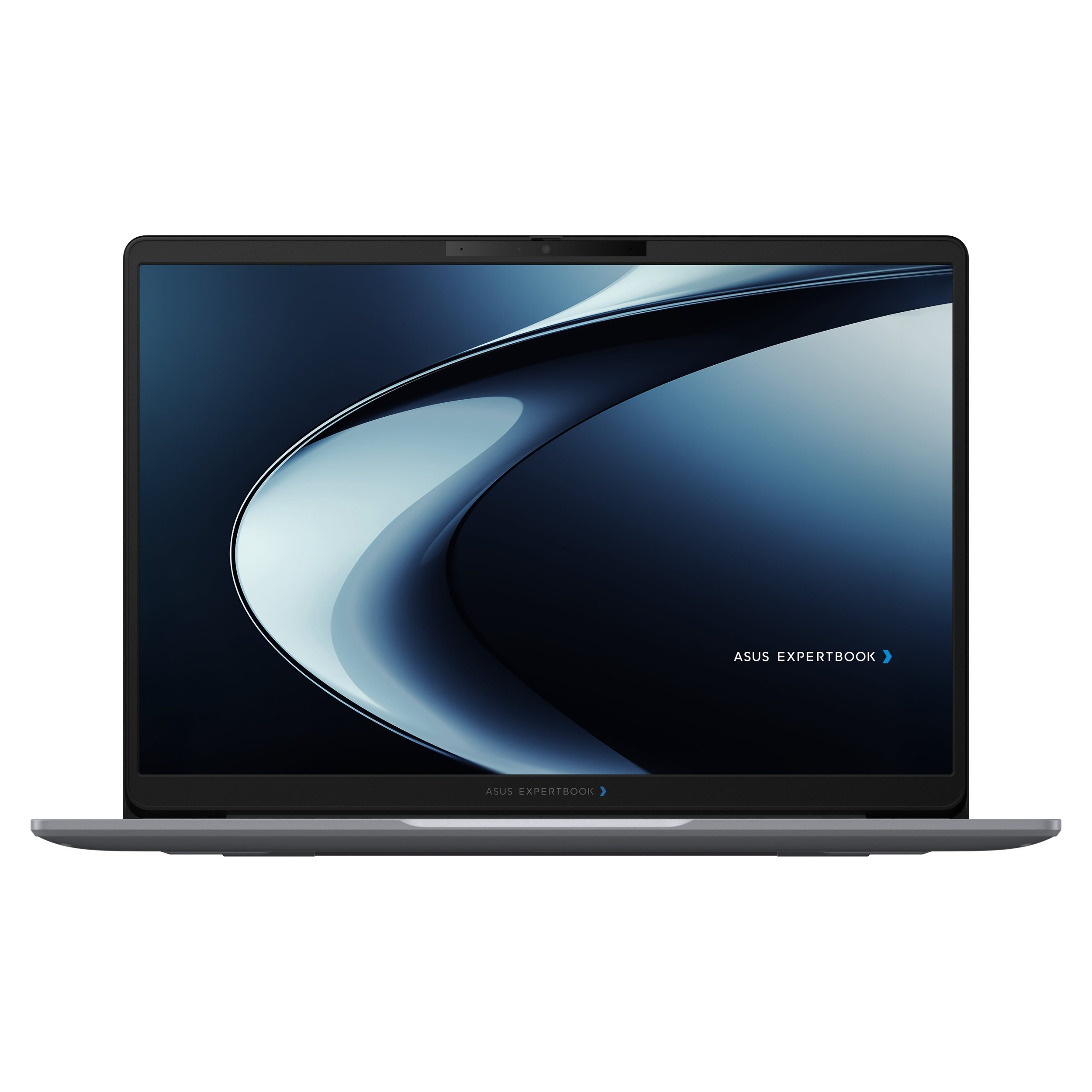
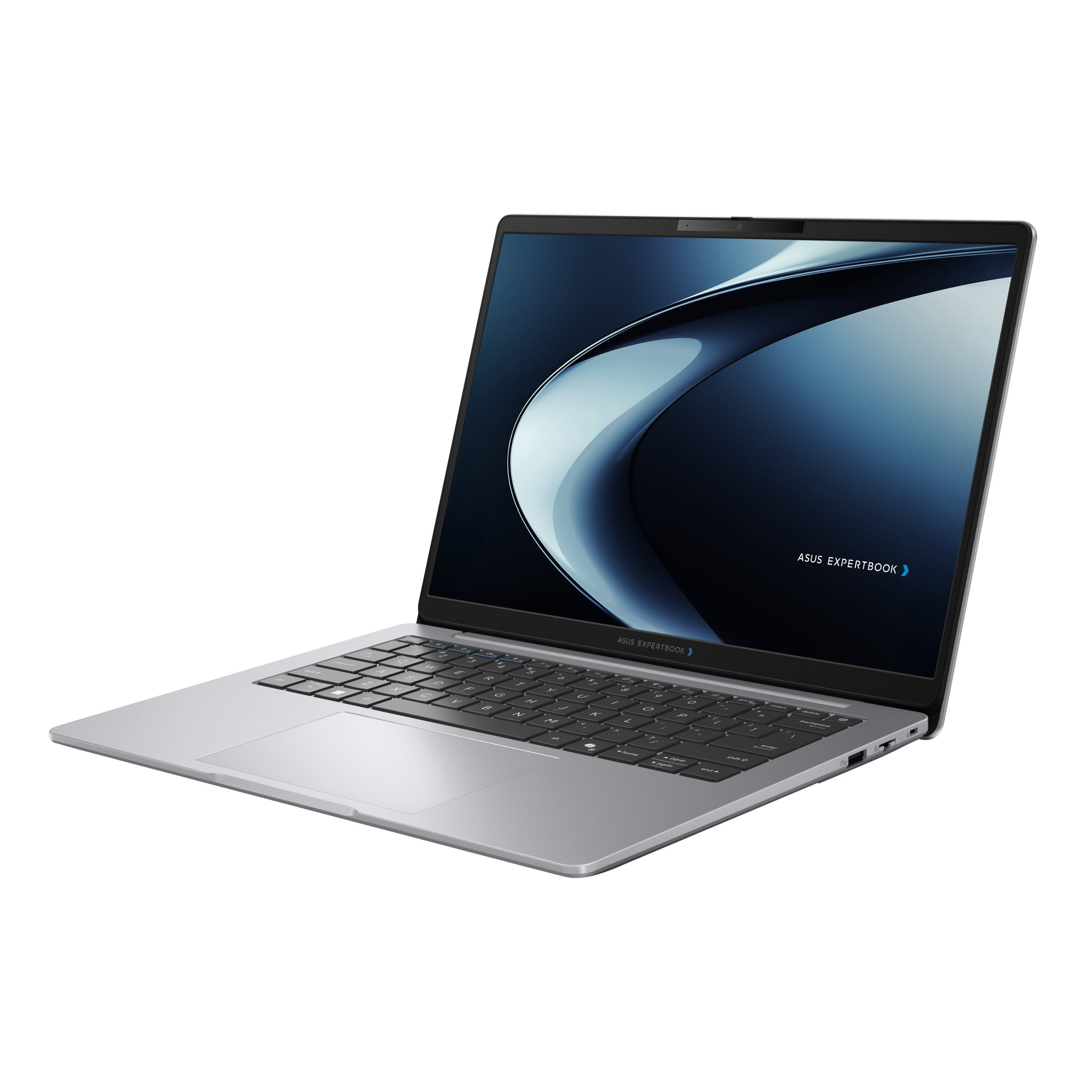
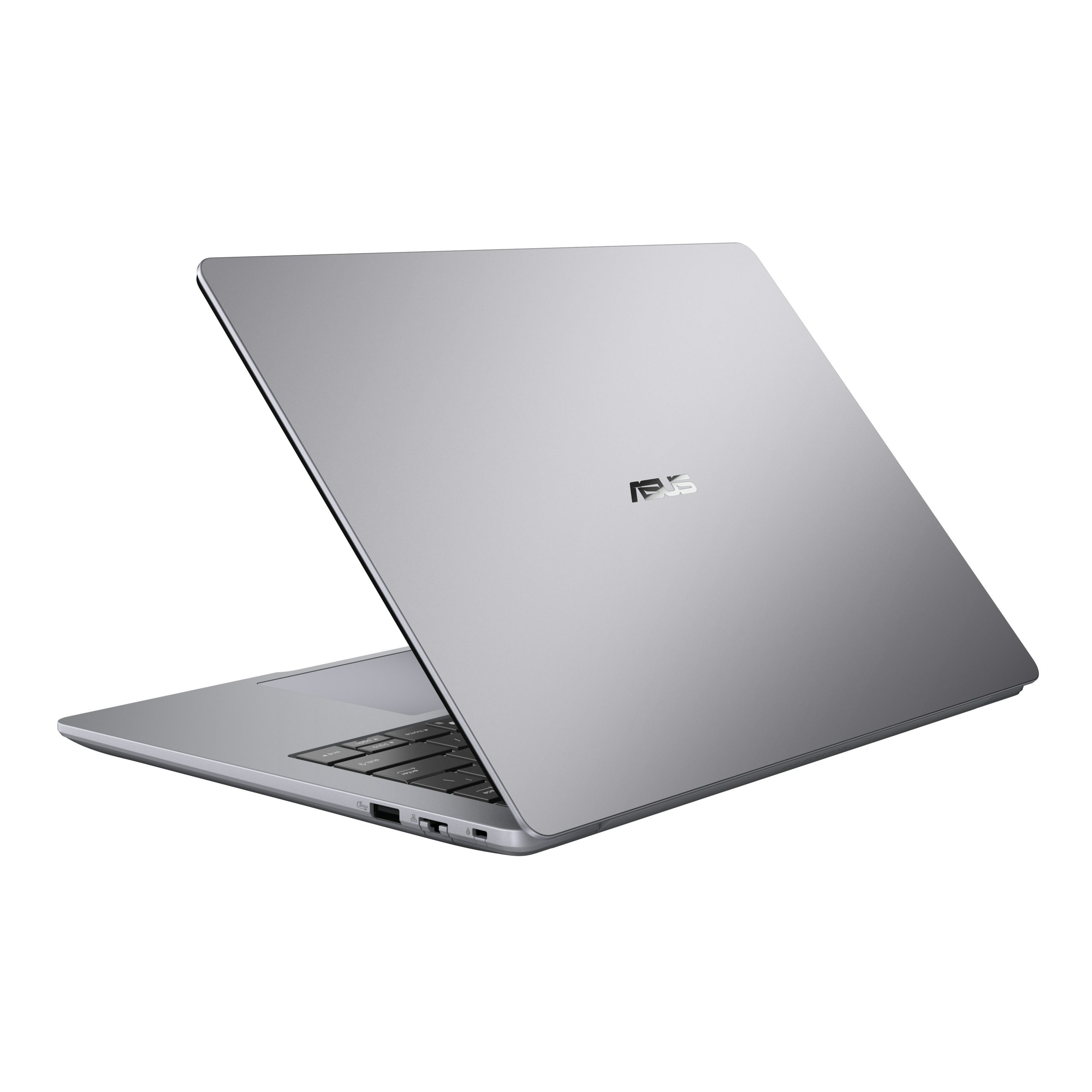
The ExpertBook B3 G2 targets a more configurable business use case and is available as the 14 inch B3406CMA and 16 inch B3606CMA. It starts from 1.45 kg and includes a 180 degree lay flat hinge, Intel Core Series 3 processors with integrated graphics, up to 17 TOPS NPU acceleration, up to 64 GB DDR5 memory through upgrade support and up to 4 TB SSD storage through upgrade support. ASUS also lists up to a 70 Wh battery, an up to 2.5K anti glare display with a 144 Hz refresh rate, an up to FHD IR camera, AI noise canceling technology and WiFi 6E support as an optional feature. That makes the B3 G2 a practical system for video conferencing, office productivity, classroom use, IT managed deployments and users who need a business laptop that can scale beyond its factory configuration.
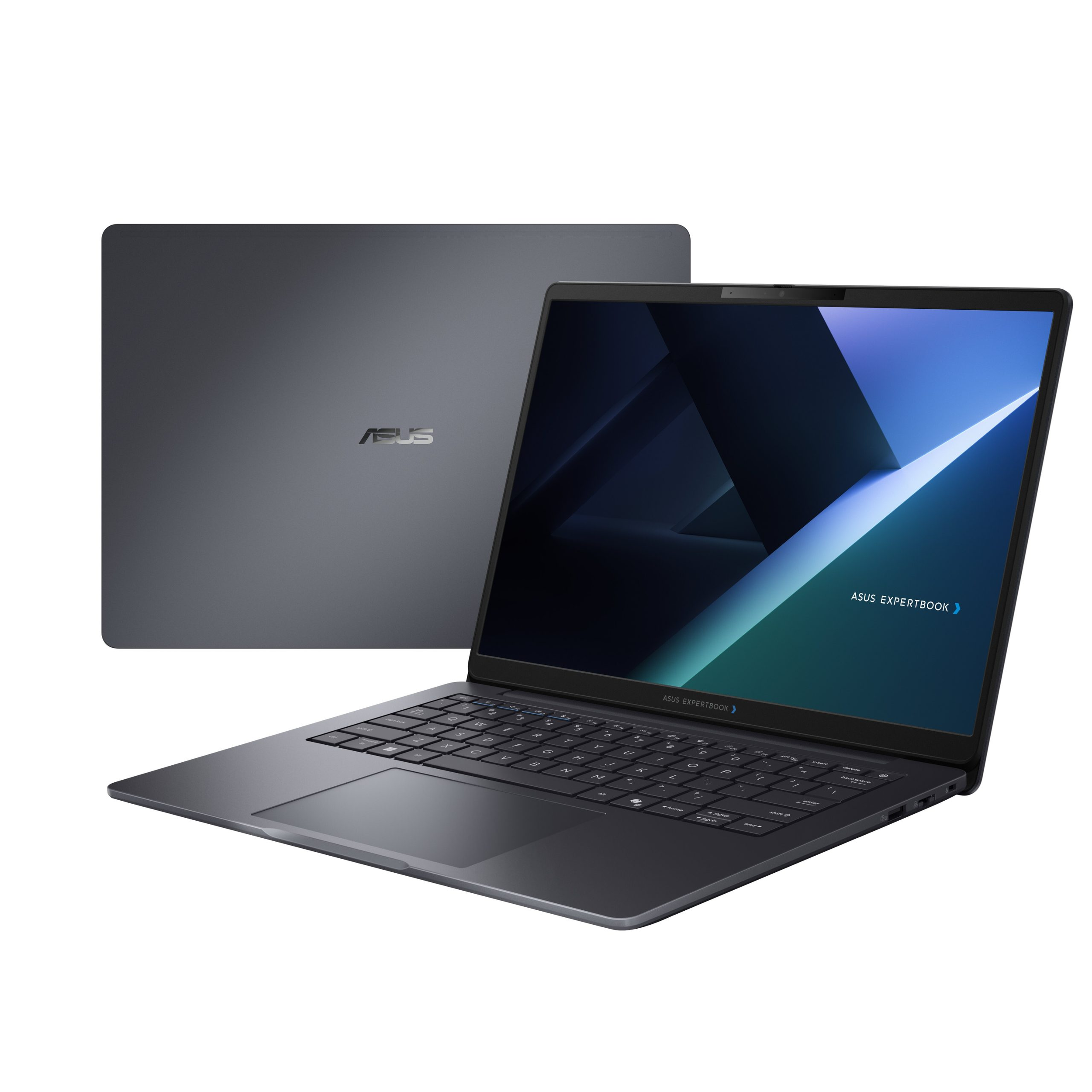
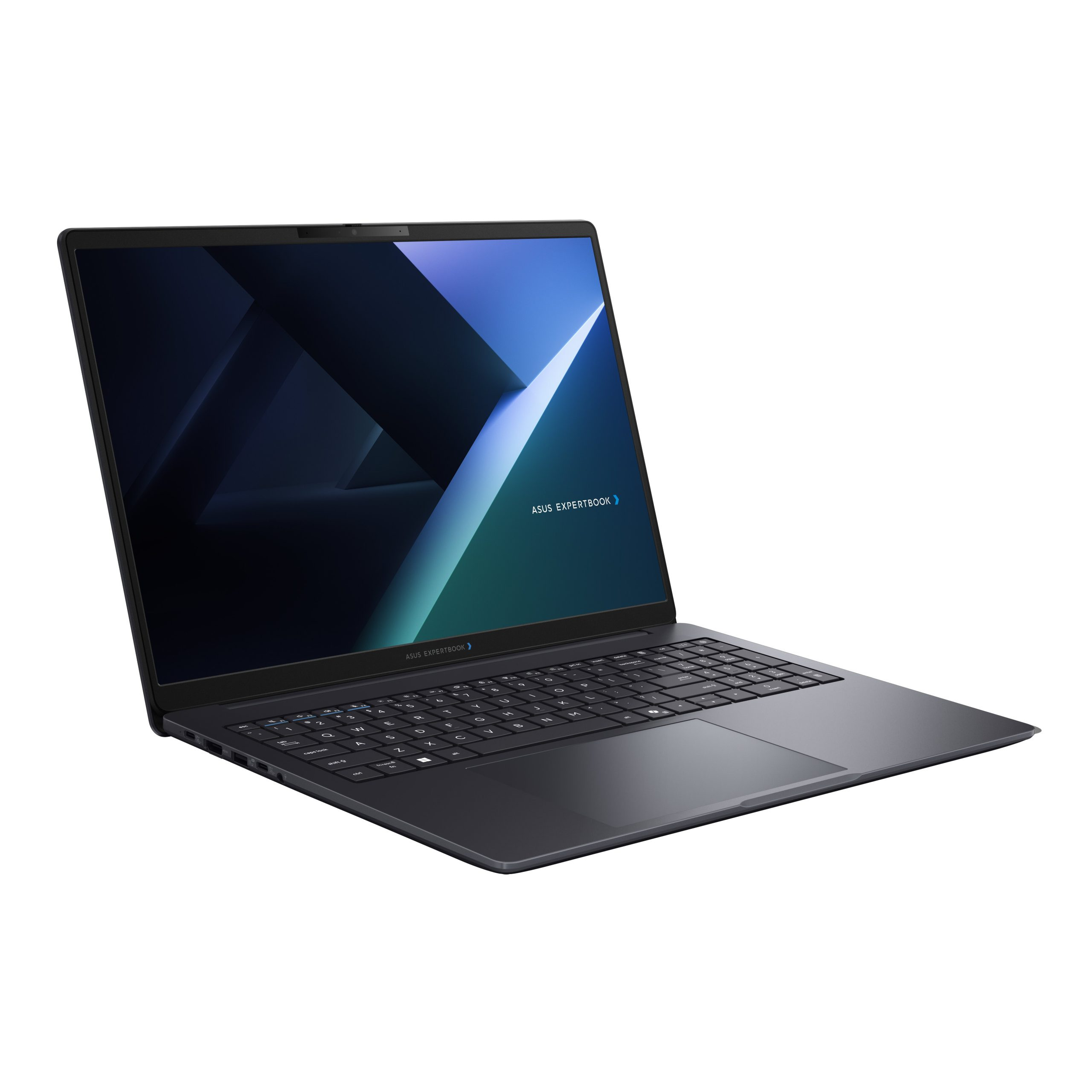
ASUS is also giving the ExpertBook B3 G2 a deeper security stack through ExpertGuardian, including NIST SP 800 193 compliance, dual ROM recovery, TPM 2.0, a dedicated Security Processor Unit, chassis intrusion detection and cloud recovery. This positions the B3 G2 as a more resilient commercial notebook for organizations that need stronger recovery tools and endpoint protection. The launch also fits into the broader Intel Core Series 3 rollout, where mainstream Wildcat Lake laptops are beginning to expand across the market after Intel introduced the platform as a more accessible AI PC tier for everyday productivity, commercial systems and value focused notebooks.
ASUS is clearly treating the ExpertBook P3 G2 and B3 G2 as practical fleet devices rather than headline chasing AI laptops. That is the right strategy for the business market. Enterprises do not only need peak NPU numbers or premium industrial design. They need predictable performance, stable firmware support, security compliance, easy serviceability, durable construction and configuration flexibility. The P3 G2 looks like the more streamlined productivity option, while the B3 G2 is the stronger choice for buyers who want upgrade room, deeper recovery features and broader IT deployment control. As Intel Core Series 3 laptops continue entering the market, systems like these could become important for companies moving toward AI ready hardware without forcing every employee into a higher cost Core Ultra device.
Would your company prioritize stronger security features, longer battery life or better upgrade options when choosing a new business laptop fleet?
