
ASRock Launches PRO Series PSUs ATX 3.1 and PCIe 5.1 With up to 1000W Options
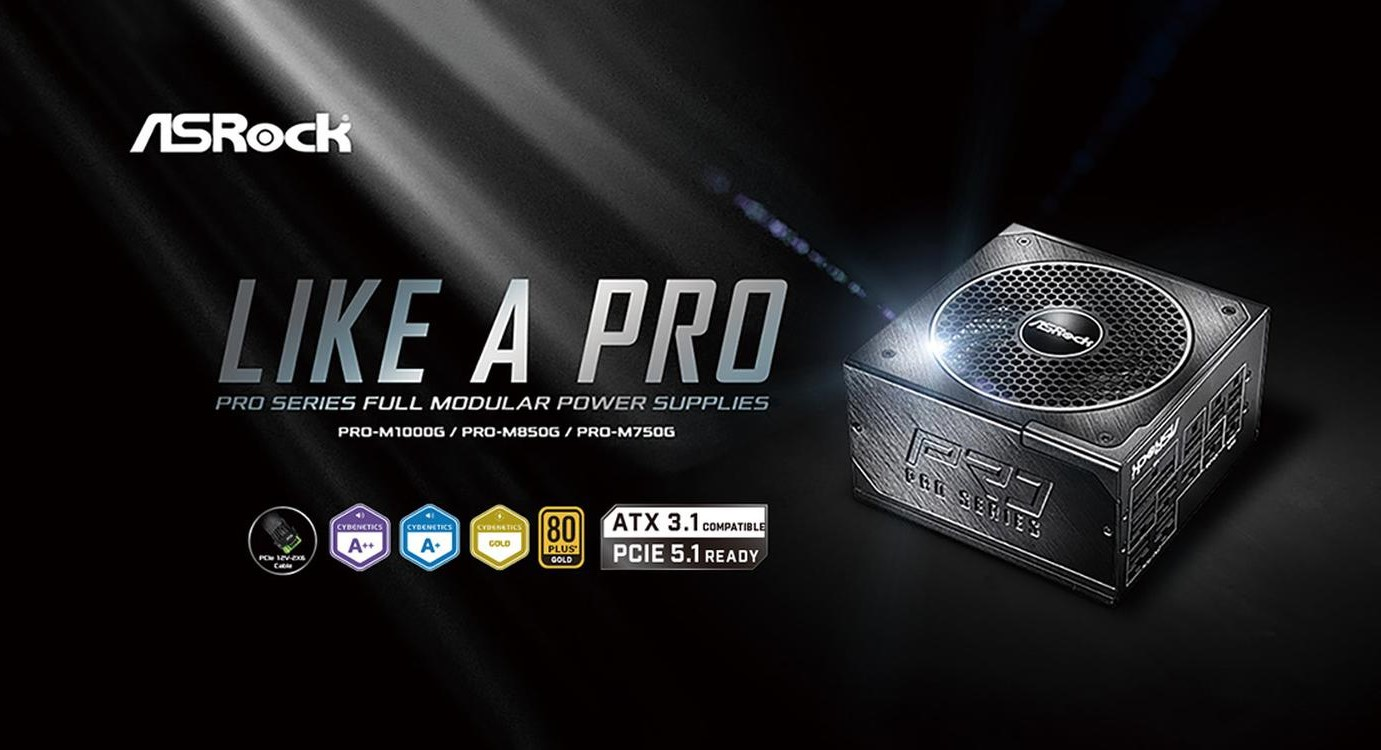
ASRock has officially introduced its new PRO Series full modular power supplies, expanding its lineup with 750W, 850W, and 1000W models aimed at users building reliable gaming and performance focused desktop systems. In its official announcement, the company positions the PRO Series around practical performance, stable power delivery, and support for current generation graphics hardware, making this launch especially relevant for builders targeting today’s power hungry GPUs and cleaner cable managed setups.
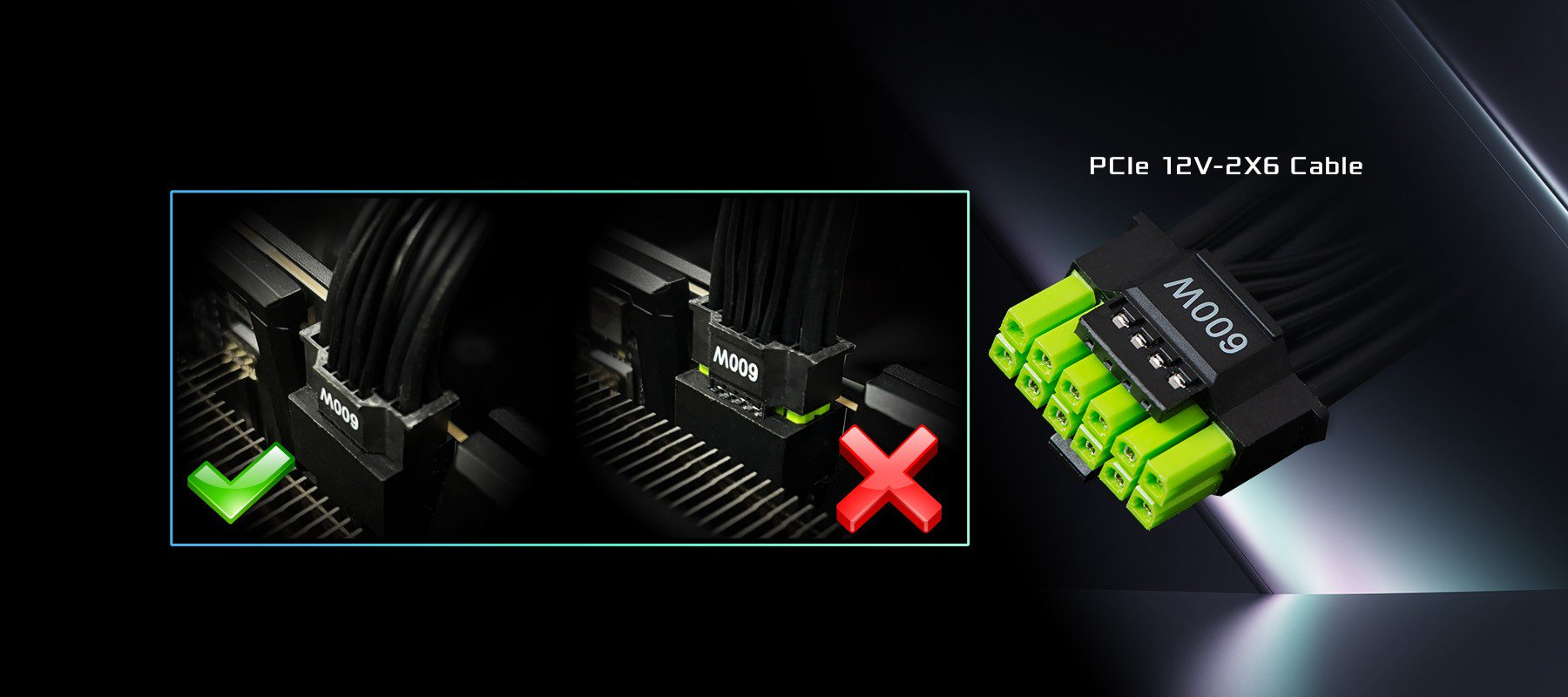
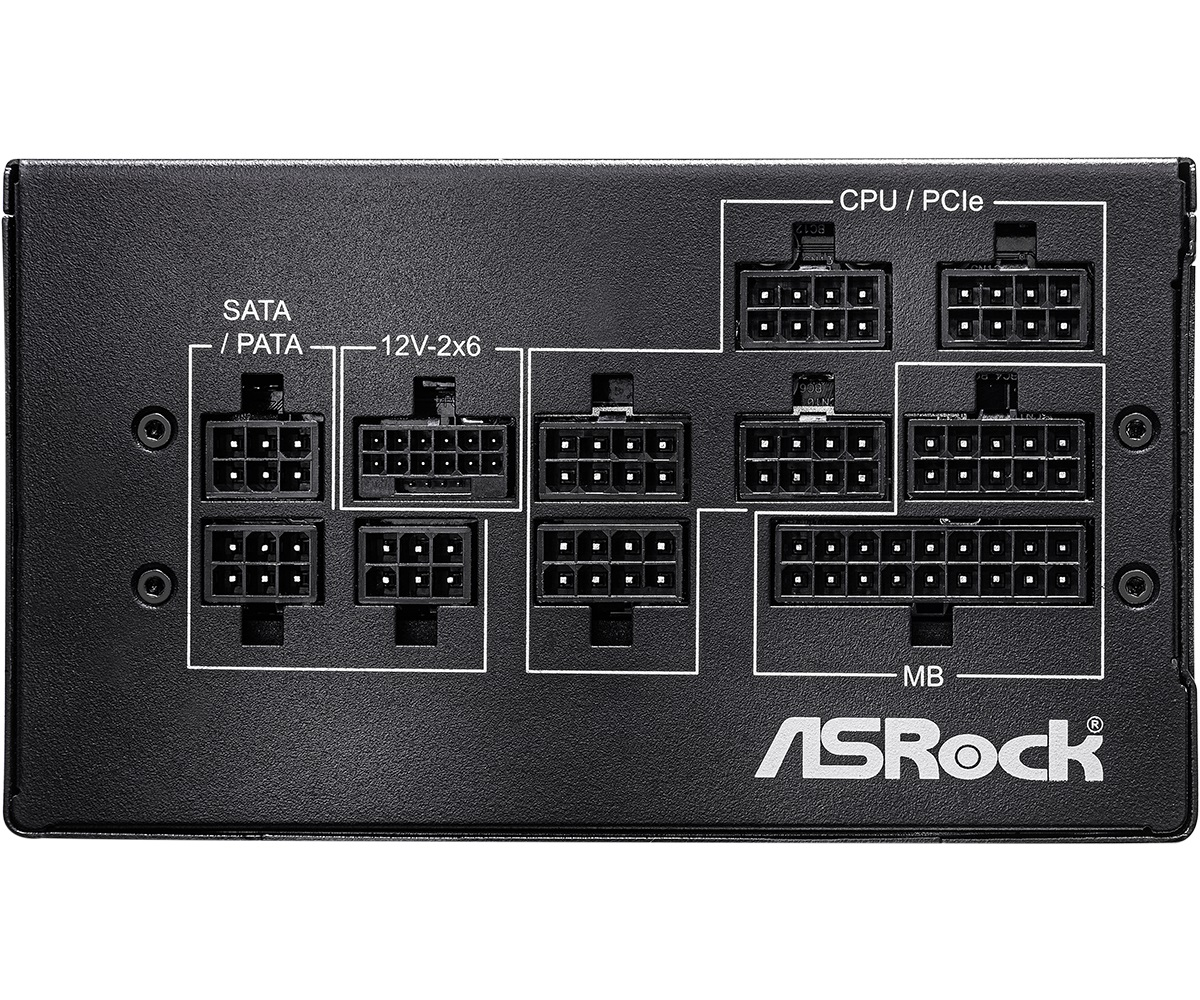
According to ASRock, the new PRO Series is fully compliant with both ATX 3.1 and PCIe 5.1 standards, giving it direct compatibility with modern graphics cards that use the 12V 2x6 power connector. The company also highlights its Dual Color Connector design, which is intended to help users visually confirm proper cable insertion during installation, a small but useful feature at a time when connector seating and power delivery reliability have become a much bigger topic in the enthusiast PC market.
The wattage spread is also well judged for the current gaming hardware landscape. The 750W and 850W models should fit naturally into upper mid range and high end gaming systems, while the 1000W unit is the model most likely to attract builders pairing flagship class GPUs with higher core count CPUs and more demanding cooling or storage configurations. ASRock does not explicitly assign these units to specific GPU models in the official release, but the standards support and wattage range clearly place the series in the segment meant for next wave gaming and creator builds. This last point is an inference based on the official capacities and standards support.
From a feature standpoint, ASRock is pushing the PRO Series as more than a basic spec refresh. The company says all three units are certified for both 80 PLUS Gold and Cybenetics Gold, with energy conversion efficiency above 90% under typical loads. It also states that the lineup uses 105°C Japanese main capacitors, includes +5V Voltage Compensation or 5V BOOST for better voltage stability, and relies on an LLC plus DC to DC topology for cleaner output and more precise power conversion. Those are the kinds of fundamentals enthusiasts want to see in a PSU launch because long term reliability still matters more than flashy branding when it comes to the one component responsible for feeding the rest of the system.
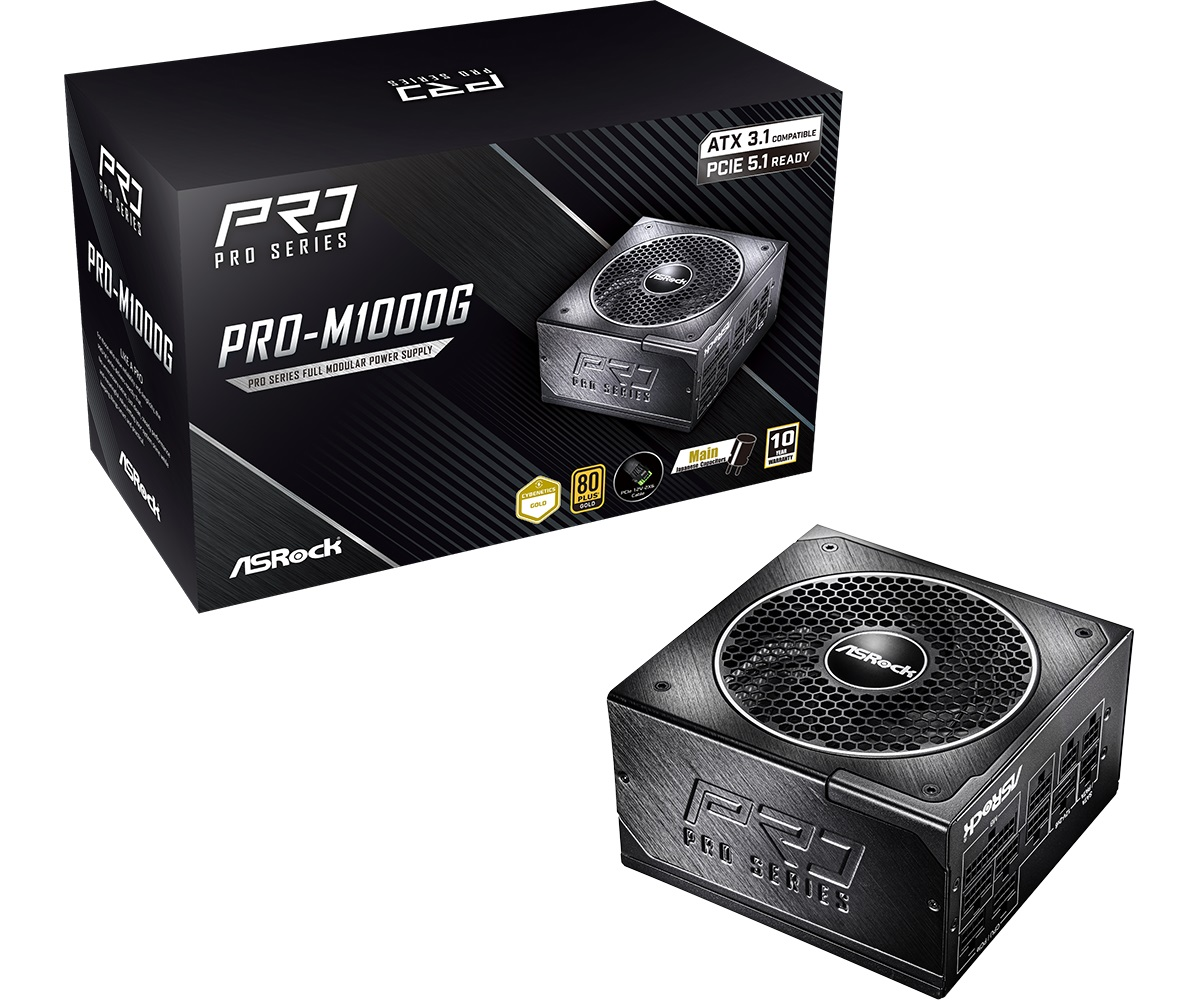
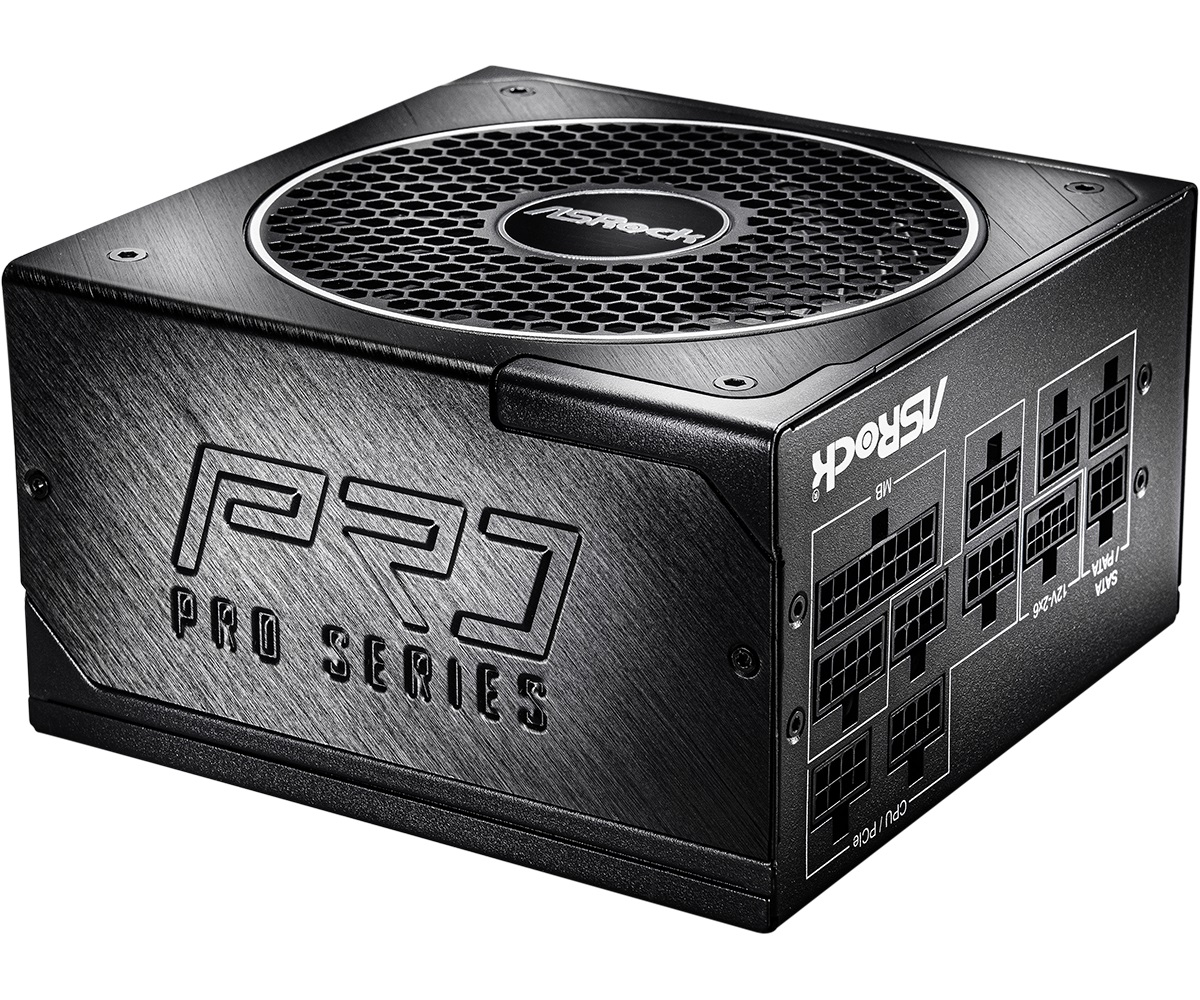
Noise control is another area where ASRock is making a stronger than expected play. The PRO Series uses a 135mm fluid dynamic bearing fan with striped axial blades, and the company says the units have earned Cybenetics LAMBDA A+ ratings for the 1000W and 850W models, while the 750W model reaches LAMBDA A++. That suggests ASRock is trying to make these units attractive not only for stability focused builders but also for users who care about keeping their systems quieter under load.
The full modular design and flat black cables round out the package in the way most builders now expect, especially for cases with tempered glass panels or tighter rear compartment routing. A cleaner install and less cable clutter remain meaningful quality of life advantages, particularly for gaming systems where airflow and aesthetics are both part of the buying decision. ASRock is backing the full lineup with a 10 year warranty, which gives the series a stronger long term value proposition and helps position it more competitively in a crowded PSU market.
What ASRock has not yet detailed in the official release is pricing, and that will likely determine how disruptive the PRO Series becomes. On paper, the specifications are solid and the compliance checkboxes are exactly where they need to be for a 2026 PSU launch. If ASRock can slot these models into an aggressive price band, the PRO Series could become a very practical option for gamers building new RTX 50 class systems or refreshing older rigs with more future ready power delivery.
Do you think ASRock’s new PRO Series has the right mix of features for modern gaming builds, or will pricing decide whether these PSUs really stand out?
