
ASRock B850M Pro RS WiFi User Reports 3 Dead Ryzen 7 9800X3D CPUs, Raising Fresh Questions Around AM5 Stability
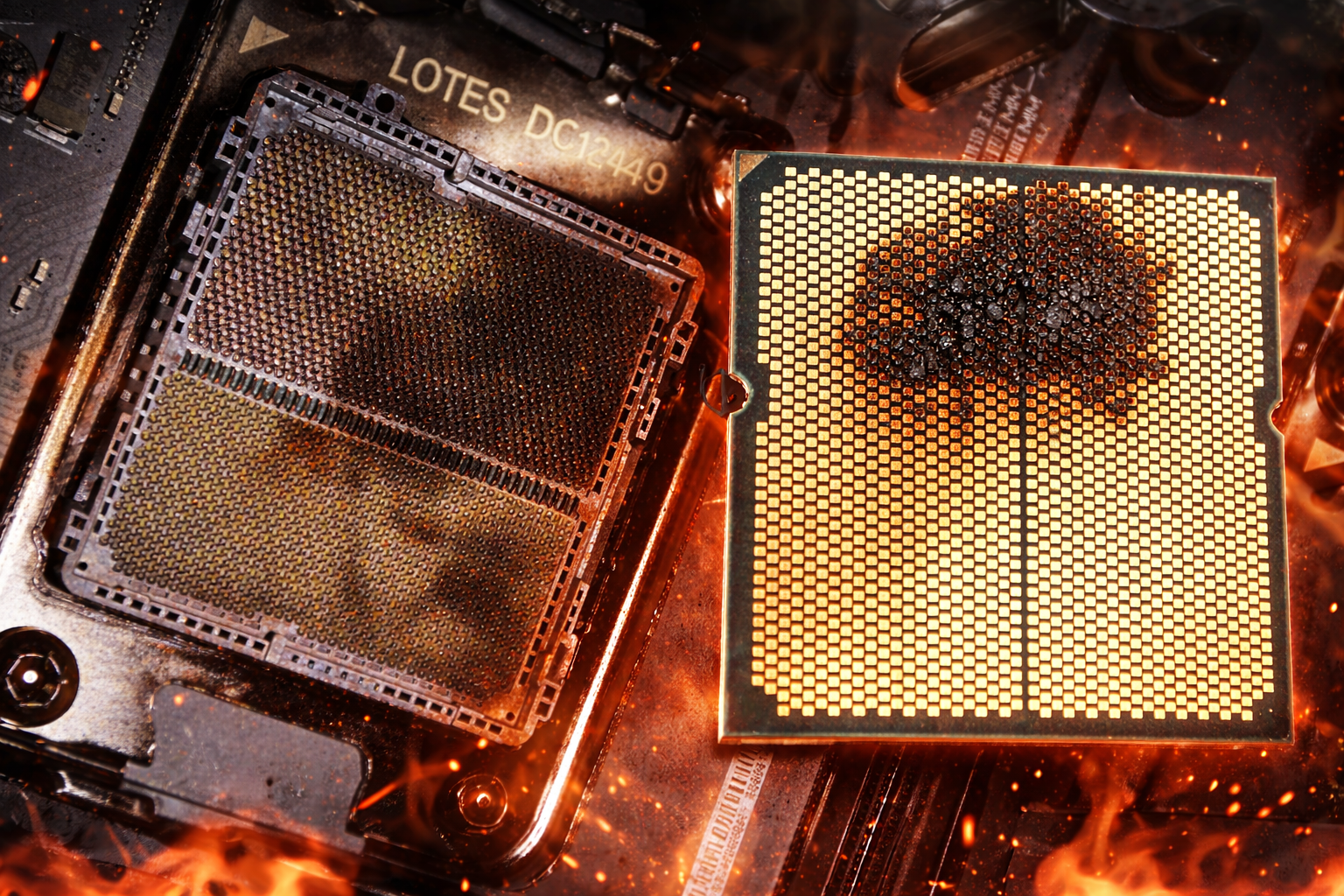
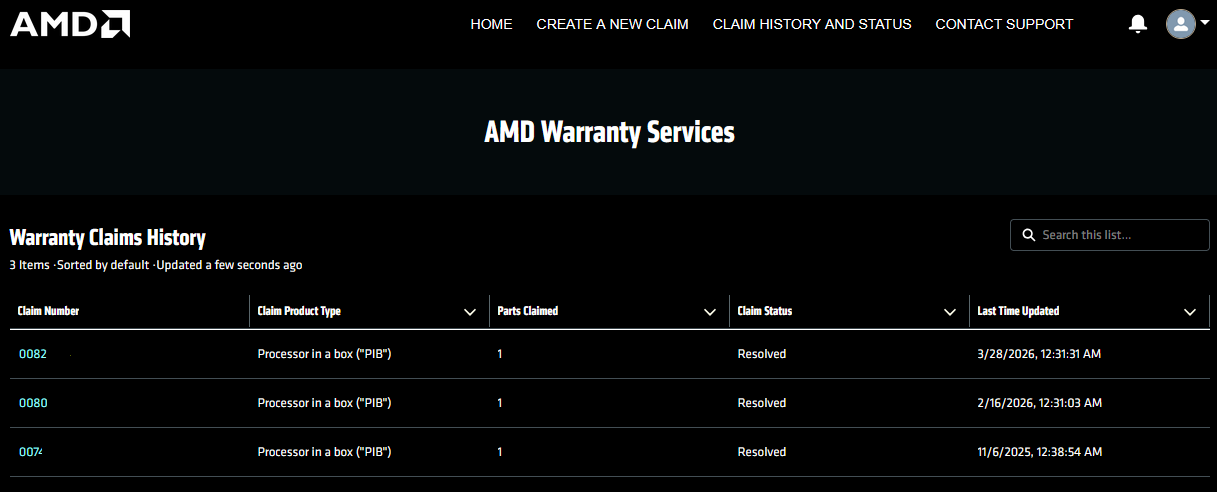
A new user report is putting ASRock’s AM5 motherboard stability back under the spotlight after a Reddit user claimed that a single B850M Pro RS WiFi board killed 3 separate Ryzen 7 9800X3D processors over the span of several months. In the original Reddit post, user u/notmember said the system was built in January 2025, the first CPU failed in November 2025, the second replacement died roughly 2 months later, and the third lasted only around 1 month before failing as well.
According to the post, the 3 failures happened across multiple BIOS versions rather than on one outdated firmware build. The user said the first chip died on BIOS 3.50, the second on BIOS 4.03, and the third on BIOS 4.07 beta, with the latest failure showing a solid green boot light and no display output. That detail is important because it suggests the issue, at least in this specific case, did not disappear after repeated updates and replacement hardware.
At the same time, this story needs to be framed carefully. What we have here is one documented user report, not an official confirmation from ASRock or AMD that this specific motherboard definitively damaged 3 CPUs. The sequence is alarming, especially because the same board reportedly remained in use across all 3 failures, but that still does not amount to a formal root cause analysis. It is fair to say the motherboard is the main suspect in this case. It is not yet fair to call it conclusively proven.
What does add weight to the concern is the wider BIOS context. ASRock’s official BIOS page for the B850M Pro RS WiFi shows that version 4.07 beta and the later stable 4.10 release both include AGESA ComboAM5 PI 1.3.0.0a and explicitly list “Resolve a boot failure occurring on certain CPUs” among the update notes. That means ASRock itself has already acknowledged at least some CPU related boot failure behavior on this platform family, even if the company’s wording does not state that processors are being electrically damaged.
This is also not the first time ASRock AM5 boards have been tied to public 9800X3D failure concerns. Tom’s Hardware reported in February 2025 that ASRock had issued a BIOS update to address Ryzen 7 9800X3D boot issues and said only a minority proportion of boards were affected, while warning that misinformation was spreading around the failures. That earlier response suggests the company has been aware for some time that Ryzen 7 9800X3D related problems on certain AM5 boards were serious enough to require public BIOS level mitigation.
From a practical user perspective, the most important takeaway is not the headline language around “killer boards,” but risk management. If someone is running an ASRock AM5 motherboard with a Ryzen 7 9800X3D, updating to the latest available BIOS is the minimum immediate step, since ASRock’s current stable 4.10 release specifically references fixes for certain CPU boot failures. Beyond that, anyone who has already experienced repeated unexplained CPU failures on the same board should treat the motherboard itself as a critical suspect and avoid assuming that a replacement processor alone solves the problem.
The bigger issue for ASRock is reputational. Even isolated cases can do real damage when they involve premium parts like the Ryzen 7 9800X3D and when similar reports have already circulated in enthusiast communities. For gamers and PC builders, repeated CPU death stories hit much harder than routine boot bugs because they suggest potential hardware level risk, not just inconvenience. Until ASRock or AMD provides more detailed technical guidance, stories like this will continue feeding uncertainty around early AM5 board reliability, especially in enthusiast builds where X3D chips are often the centerpiece.
For now, the case remains a serious user allegation backed by a detailed public timeline, but not a formally verified engineering conclusion. That distinction matters. Still, when 3 processors reportedly fail on the same board in a shrinking timeframe, it is exactly the kind of pattern that deserves much closer scrutiny from both the motherboard vendor and AMD.
Have you had any stability issues with Ryzen 7 9800X3D systems, or do you think this looks like a deeper motherboard quality control problem?
