
Asha Sharma Is Personally Resetting Xbox’s Brand, and “This Is an Xbox” Was One of Her First Casualties

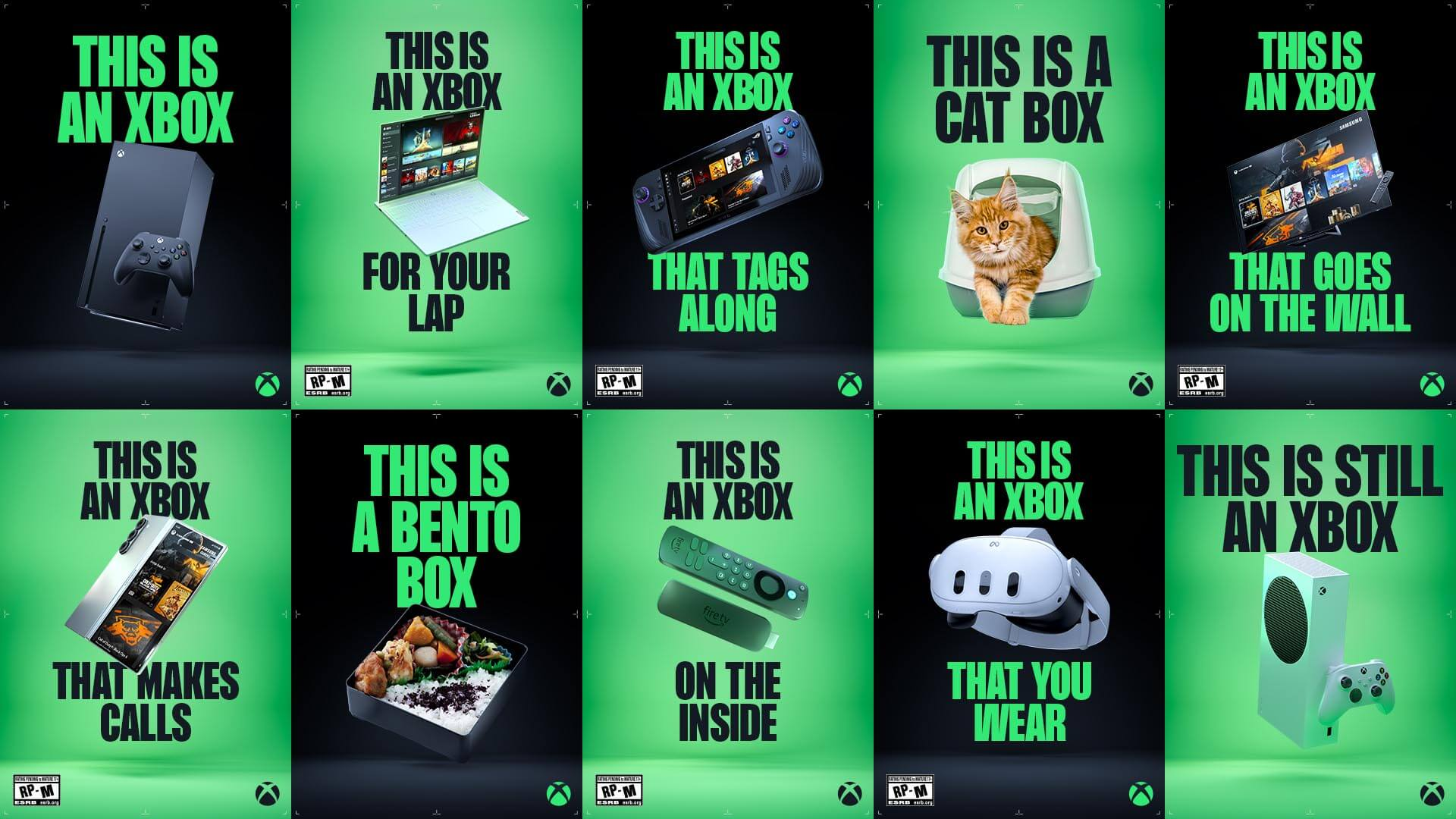
Xbox’s new era is starting to come into focus, and one of the clearest early signals is that Asha Sharma is not treating brand identity as a secondary issue. According to a new report from Windows Central, Sharma personally moved to retire Microsoft’s “This Is an Xbox” campaign because it “didn’t feel like Xbox,” with a Microsoft spokesperson also saying that she is “personally leading a reset of how we show up as a brand.” That is not a small internal adjustment. It is an early statement that the new Microsoft Gaming CEO wants to redefine how Xbox presents itself to players, and likely how it thinks about its own identity going forward.
That makes this more than a marketing cleanup. “This Is an Xbox” was one of the most divisive campaigns the brand has pushed in recent years because it tried to stretch Xbox beyond the console itself and turn the label into a broad platform idea. In theory, that aligned with Microsoft’s wider ecosystem strategy across cloud, PC, and multiple screens. In practice, many players felt it diluted what Xbox actually is, while reports also suggest it was unpopular internally. Windows Central’s reporting indicates that the campaign was removed across trailers, posts, and other public facing assets, and Microsoft later confirmed that the decision came directly from Sharma.
The timing matters. Microsoft officially named Asha Sharma as Executive Vice President and CEO of Microsoft Gaming on February 20, 2026, succeeding Phil Spencer as the company reshaped its gaming leadership. Microsoft’s own announcement made clear that Sharma was being put in charge of the overall gaming business at a moment when Xbox needed a more focused direction.
Seen in that context, ending “This Is an Xbox” looks less like a cosmetic decision and more like a deliberate repositioning. If Sharma believes the campaign did not feel authentic to Xbox, then the implication is that future messaging will likely swing back toward clearer hardware, software, and community centric identity rather than abstract ecosystem language. That does not necessarily mean Microsoft is abandoning cloud, PC, or cross device ambitions. It does suggest the company may want those pillars communicated through a stronger Xbox core rather than through a slogan that made the brand feel too diffuse. This is an inference from Microsoft’s statement and the reporting around the campaign’s removal.
That also raises the stakes for Sharma personally. If she is leading the reset herself, then future wins and missteps in Xbox messaging will be attached to her leadership much more directly. That is risky, but it is also exactly the kind of accountability many Xbox fans have wanted to see. A brand reset can sound vague in isolation, but canceling a disliked campaign this early gives it immediate substance. It tells players that the company has recognized a disconnect between what it was saying and what the audience felt Xbox should represent.
For Xbox, this may end up being one of the most important symbolic moves of Sharma’s first weeks. Brands in gaming are not built only on hardware specs or subscription models. They are built on emotional clarity, consistency, and whether players feel the company understands why they cared in the first place. If Sharma’s reset is genuinely a “return to Xbox” in tone and execution, then killing “This Is an Xbox” may be remembered as the first visible sign that Microsoft understood the brand had drifted too far from its center. That final point is analysis based on the reporting and official statement, not a direct Microsoft quote.
The real test, of course, comes next. Removing a campaign is easy compared with building a stronger one. Xbox now needs messaging that can support console hardware, Game Pass, PC integration, and future projects without confusing players about what Xbox actually stands for. If Sharma can deliver that balance, this early move will look smart. If not, the backlash will simply shift from one slogan to the next.
Do you think Xbox needs a full return to its console first identity, or should Microsoft still keep pushing the broader play anywhere vision under a different message?
