
Apple’s Baltra AI Chip May Be Moving Further In House as New Samsung Substrate Report Signals Deeper Packaging Control
Apple may be taking a more direct role in the development of its upcoming Baltra AI server chip, and a new report suggests the company is now evaluating one of the most important pieces of next generation chip packaging on its own terms. According to a new report from The Elec, Samsung Electro Mechanics has been supplying glass core substrate samples not only to Broadcom, but also directly to Apple. The report says Samsung has been providing these samples to Apple since last year, which is notable because Broadcom is already reported to be Apple’s partner on Baltra, the company’s custom AI server chip project.
That detail matters because it suggests Apple is not simply waiting for a partner to make packaging decisions on its behalf. The Elec reports that industry observers see 2 possible reasons for Apple’s direct evaluation of the glass substrate. In the short term, Apple may want to assess the material characteristics that could be used in Broadcom’s packaging platform for the chip. In the longer term, the report says Apple could be laying the groundwork to take a more direct role in designing the package for its server AI silicon itself, which would fit Apple’s long standing pattern of vertical integration across its hardware stack.
For context, Baltra itself is not a new rumor. Reporting from The Information in December 2024 said Apple was working with Broadcom on its first server chip designed specifically for AI, internally codenamed Baltra. Reuters later summarized that reporting and said the chip was expected to be readied for mass production around 2026, while later coverage tied the broader server deployment window to 2027. Bloomberg also reported in May 2025 that Apple’s AI server chip project involved a component developed with Broadcom and was planned for completion by 2027.
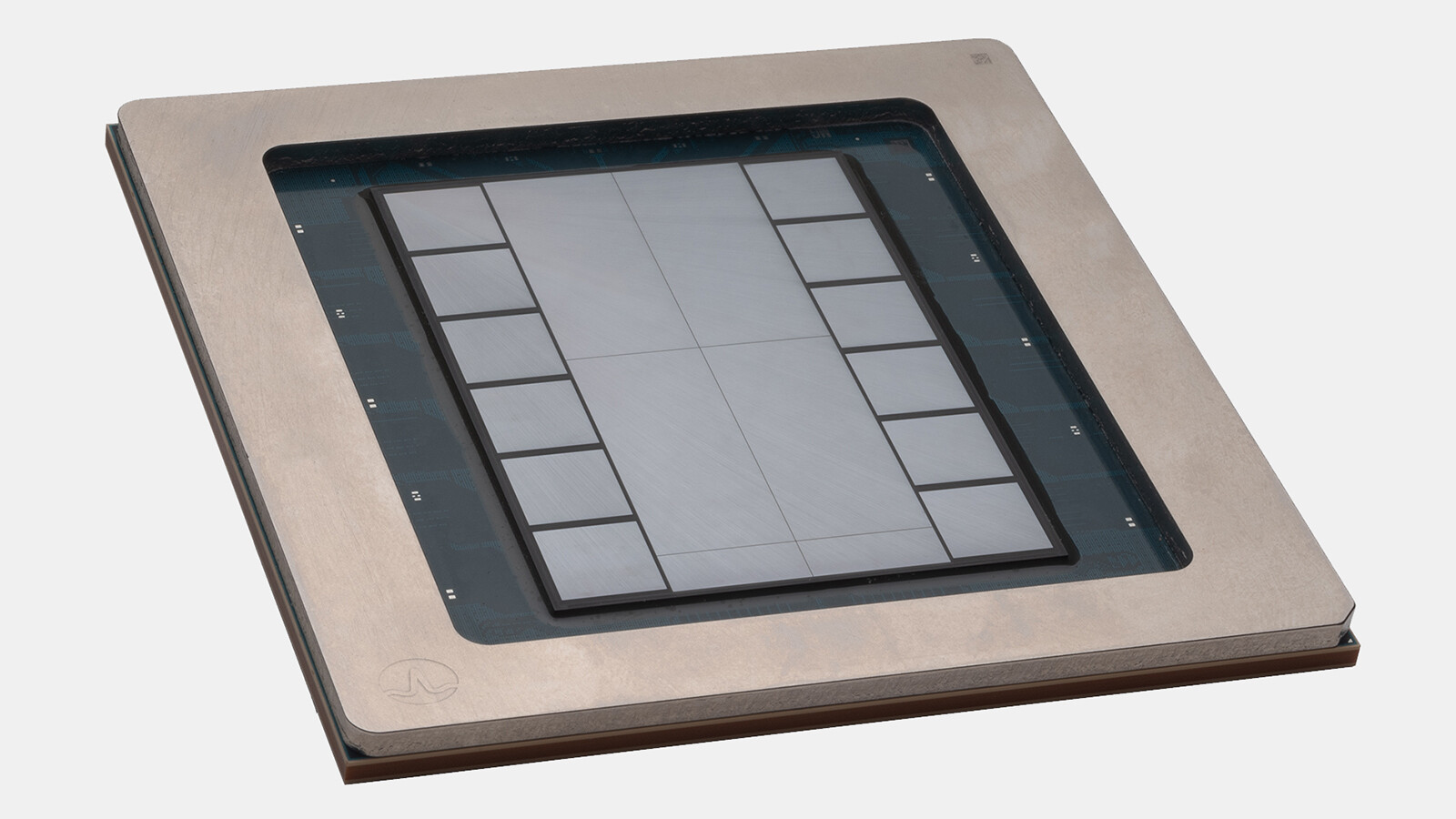
The new element here is not Baltra’s existence, but Apple’s apparent interest in the packaging substrate itself. Glass core substrates are increasingly important in advanced AI chips because they offer better flatness, lower warpage risk, and improved thermal and wiring characteristics compared with conventional organic core FC BGA substrates. The Elec specifically notes that larger AI chips are making warpage and packaging stability more serious engineering challenges, which is one reason more companies are examining glass based substrate approaches for future advanced packages.
That is where the article’s larger implication comes in. Apple has repeatedly moved critical technologies in house over time, from application processors to GPU architecture and modems. The Elec says some in the industry believe Apple’s direct evaluation of Samsung’s glass substrate could represent an early move toward handling more of the packaging design work for its AI server silicon internally as well. That remains an interpretation, not an official Apple confirmation, but it is a plausible one given the company’s history and the nature of the component now being evaluated.
It is still too early to say Apple is fully taking Baltra production in house. The currently reported picture is more limited than that. Broadcom is still central to the chip’s development based on prior reporting, and TSMC is still the expected manufacturing partner for the silicon itself. What this new report points to is a possible shift in how much packaging level control Apple wants to own directly, especially for a server AI chip that could become a much more important part of Apple Intelligence infrastructure over the next few years.
If that interpretation proves correct, then Baltra may become more than just Apple’s first serious internal AI server chip. It could also become the next example of Apple tightening control over yet another part of its semiconductor value chain, this time at the packaging and substrate level rather than only the silicon design itself.
Do you think Apple’s direct evaluation of glass substrates is just cautious quality control, or is Baltra becoming the next big step in Apple’s push for deeper in house chip ownership?
