
Apple Pulls the 256GB Mac mini From Key Storefronts as Supply Stays Tight and Memory Costs Keep Rising
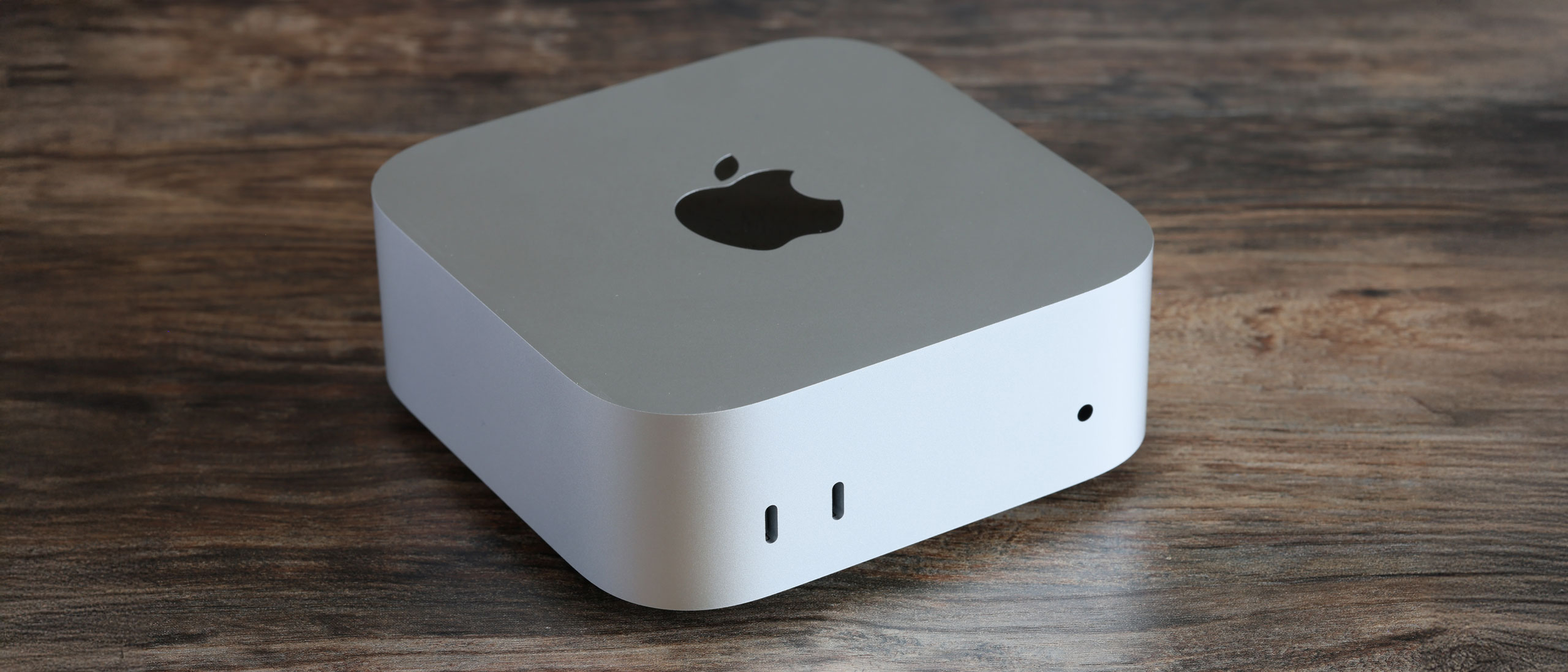
Apple appears to have removed the base M4 Mac mini configuration with 16GB of memory and 256GB of storage from its online store in several major markets, including the United States, the United Kingdom, and Taiwan. On the current Apple configurator, the lowest listed M4 model now starts at 512GB of storage instead, which suggests the old entry tier has at least been withdrawn from active storefront sales in key regions.
The timing is notable because it comes right after Apple warned that Mac mini and Mac Studio supply would remain under pressure for several more months. Tim Cook said the company expects those products to take time to reach supply and demand balance, and Reuters reported that Apple identified limited availability of advanced TSMC production nodes as the main near term bottleneck rather than a direct memory shortage for those Macs.
That distinction matters. The storefront change may look, at first glance, like a direct memory cutback story, but Apple’s own recent messaging points more toward advanced chip capacity as the immediate constraint. At the same time, the company also warned that memory costs are rising sharply, with Reuters reporting that Apple expects significantly higher memory costs in the June quarter and growing impact beyond that. In other words, Apple is dealing with 2 pressures at once, limited leading edge chip capacity now, and a worsening memory cost environment around it.
From a market perspective, removing the 256GB version also makes commercial sense. The Mac mini has become a far more serious local AI and developer machine than many expected, and a 512GB starting point is easier to justify for buyers using the system for heavier workflows, local models, creative work, or broader multitasking. Even without an official statement saying the base model is permanently discontinued worldwide, Apple’s current storefront positioning clearly pushes the line upward and reduces the cheapest way into the product.
The bigger story here is that Apple’s Mac lineup is now feeling the same broader component tension affecting much of the computing industry. Advanced packaging and node capacity remain tight, while memory prices are climbing as AI infrastructure demand keeps distorting the supply chain. So while the vanished 256GB Mac mini may look like a simple product cleanup on the surface, it is also a sign of how quickly system configurations can shift when supply pressure and component economics start to bite at the same time.
Do you think Apple is making the right move by quietly pushing the Mac mini upmarket, or was the 256GB model still an important entry point for budget buyers?
