
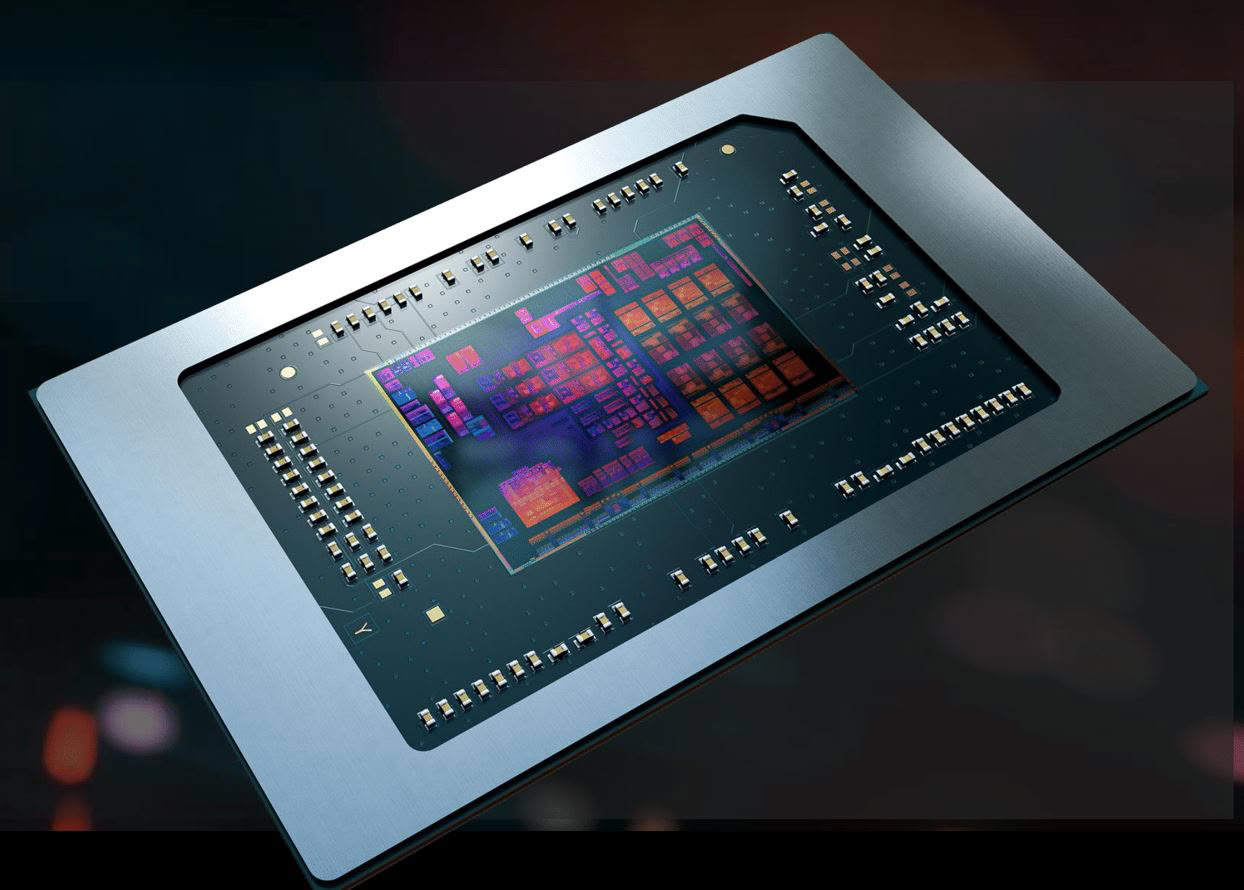
AMD's upcoming Siren Halo APU could introduce dedicated GDDR7 graphics memory alongside LPDDR system memory, potentially delivering a major bandwidth upgrade for gaming and AI workloads. The rumored processor is expected to combine Zen 6 CPU cores with RDNA 5 graphics, marking a significant architectural change from AMD's existing Ryzen AI Max processors.
hardware leaker Gotou_3rd claims that Siren Halo will feature dedicated GDDR7 VRAM while retaining LPDDR memory for the CPU. This would represent a departure from the unified memory architecture used by Strix Halo and Gorgon Halo, which allows the CPU and integrated GPU to share a large memory pool. The current Ryzen AI Max 400 series supports up to 192 GB of unified LPDDR5X memory, making it particularly attractive for running large AI models locally.
Siren Halo has dedicated GD7 VRAM.
— Gotou_3rd (@Gotou_kai3) November 12, 2026
Introducing GDDR7 could significantly increase available GPU memory bandwidth, potentially improving gaming performance, graphics rendering, and other bandwidth intensive applications. However, the impact on local AI remains uncertain. Dedicated graphics memory could provide faster access to frequently used data, but splitting memory into separate pools may reduce flexibility when running large language models that exceed the available VRAM capacity. Whether Siren Halo will allow both memory types to operate together efficiently remains unknown.
The leak also suggests that Siren Halo could replace the previously rumored Medusa Halo design, potentially sharing technology with AMD's Magnus processor associated with Microsoft's upcoming Xbox Project Helix. Previous reports linked Magnus to Zen 6 and RDNA 5 architectures with a 192 bit GDDR7 memory interface, although a direct connection between the 2 processors has not been confirmed. AMD has already introduced GDDR7 recognition in its Linux graphics driver, indicating preparations for future hardware support.
AMD has not officially confirmed Siren Halo, its memory configuration, processor specifications, pricing, or release date. If the reports prove accurate, the platform could offer substantial graphics performance improvements, although its value for local AI will depend heavily on memory capacity and how effectively the GPU accesses both memory pools.Siren Halo could represent an important upgrade for compact gaming PCs and high performance integrated graphics, particularly if GDDR7 eliminates existing memory bandwidth limitations. However, AMD should avoid sacrificing the advantages of large unified memory configurations that have made Ryzen AI Max processors attractive for local AI enthusiasts. The ideal solution would combine fast dedicated graphics memory with flexible access to substantial system memory, allowing users to prioritize gaming performance or AI model capacity without purchasing separate hardware.
Would you prefer faster GDDR7 memory for gaming performance, or would you rather keep AMD's large unified memory architecture for local AI workloads?
