
AMD Finally Expands FSR 4.1 Beyond RDNA 4, With RDNA 3 Support Coming in July and RDNA 2 Following in Early 2027
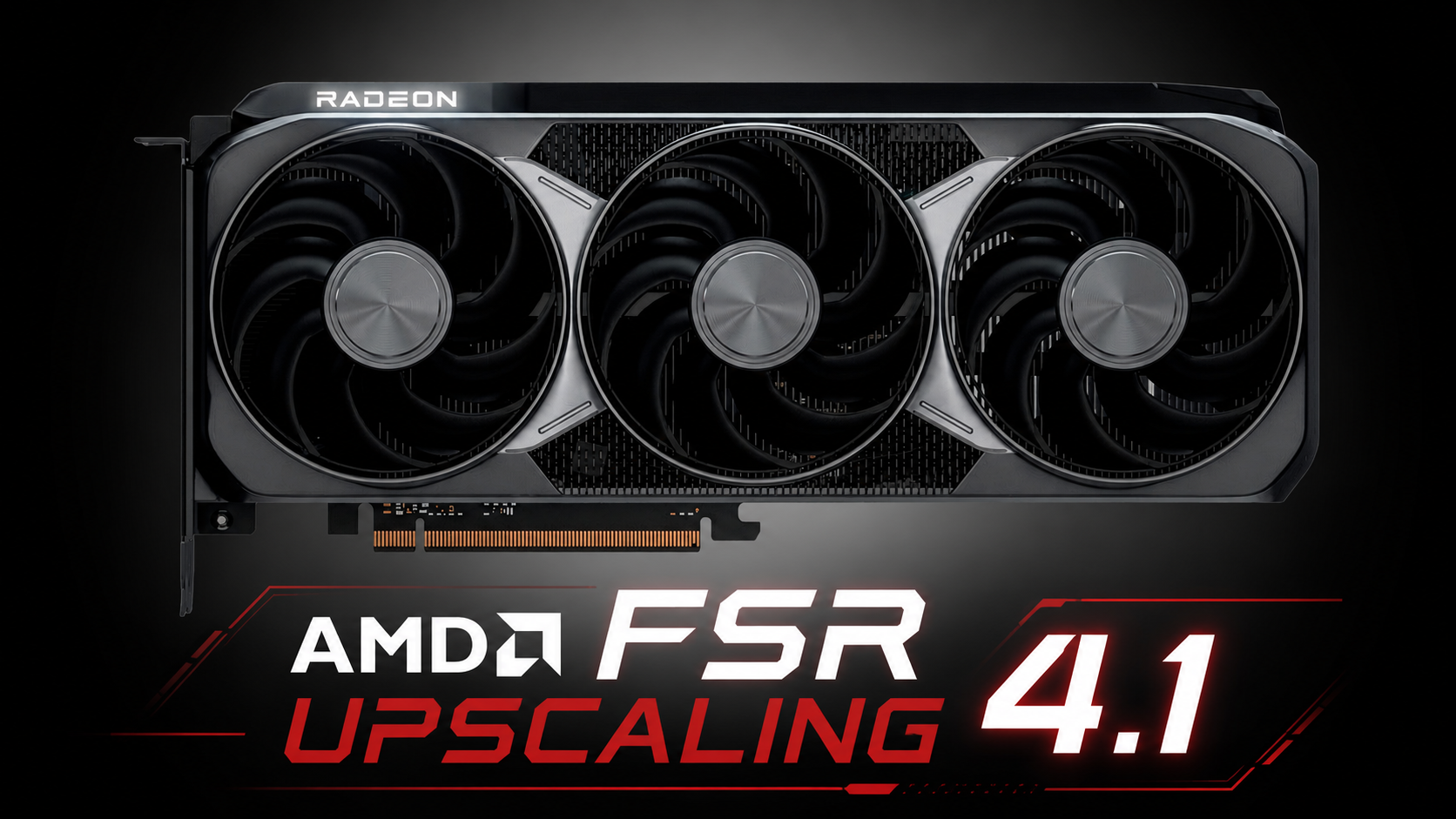
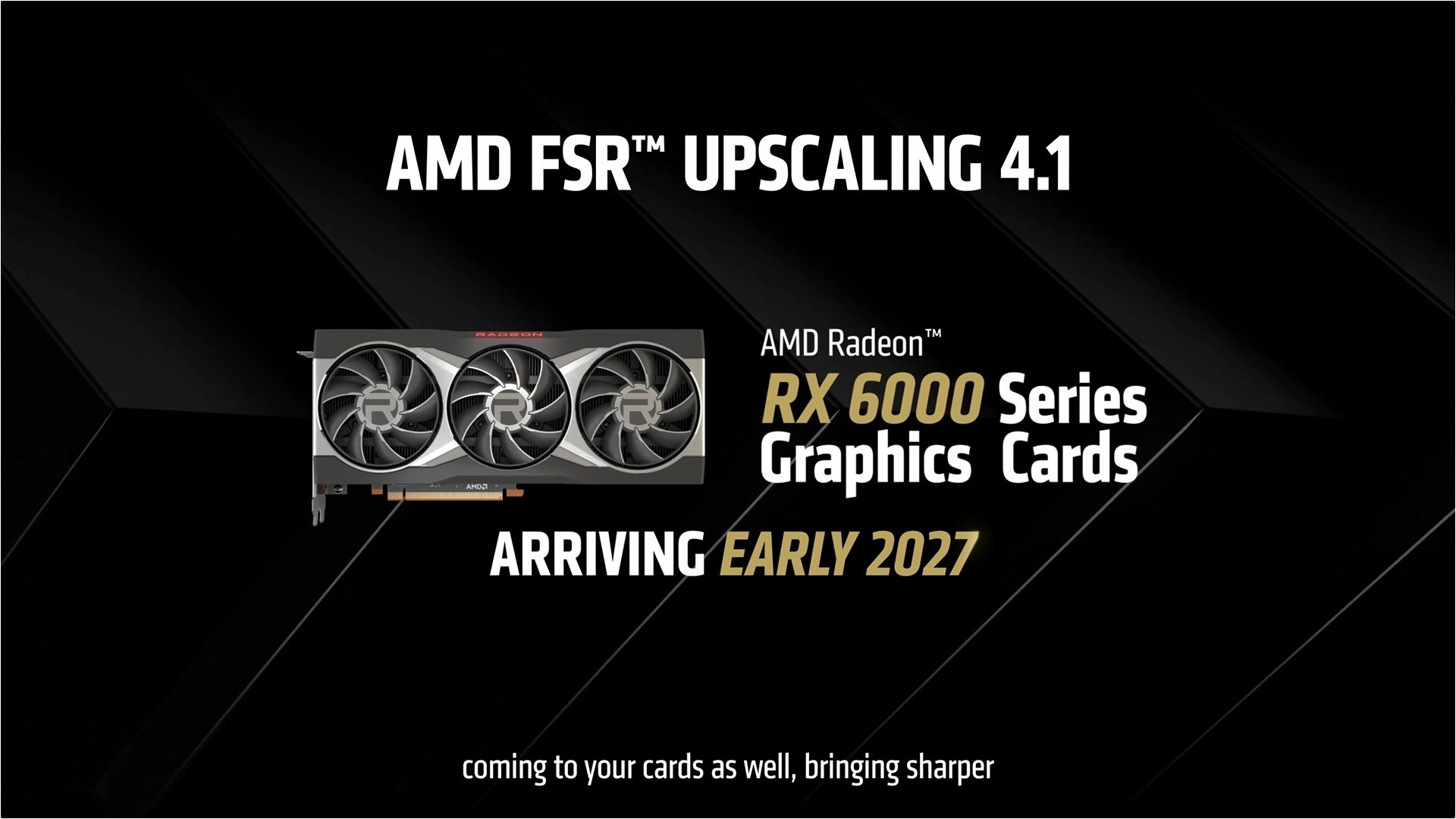
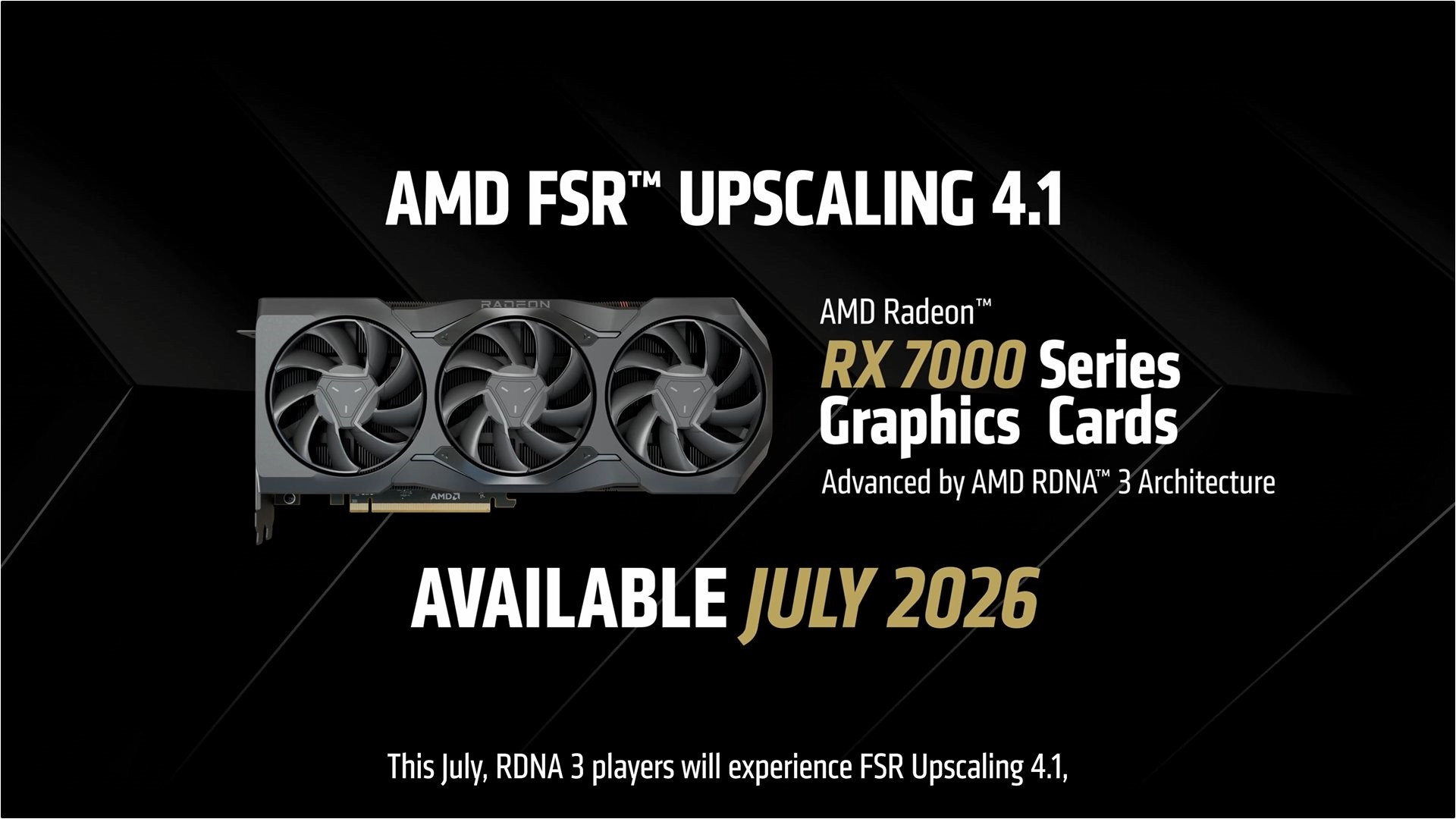
AMD has finally confirmed that its latest machine learning based upscaling technology is moving beyond the Radeon RX 9000 series. In a new post from Jack Huynh, AMD said FSR Upscaling 4.1 will arrive for RDNA 3 GPUs in July 2026, while RDNA 2 support is planned for early 2027. That is a major shift for Radeon users, because AMD’s newer FSR stack has so far been positioned around RDNA 4 hardware, leaving owners of RX 7000 and RX 6000 cards waiting for a clear roadmap.
There is also an important naming detail here. AMD’s official FSR page now explains that what many players previously called FSR 4 has been renamed FSR Upscaling as part of the broader FSR Redstone suite. AMD says Redstone includes FSR Upscaling, Frame Generation, Ray Regeneration, and Radiance Caching, and on the product page those machine learning powered features are still listed as available on Radeon RX 9000 series graphics and above today. That makes Huynh’s new announcement the clearest confirmation yet that AMD is now opening at least part of that newer image quality path to older Radeon generations.
As a lifelong gamer, I spend a lot of time thinking about how to push gaming experiences forward across CPUs, GPUs, software, and games.
— Jack Huynh (@jackhuynh) May 14, 2026
My team and I have been working hard to evolve @AMD FSR 4 and bring it to more cards.
We power over 1 billion gaming devices worldwide. It’s… pic.twitter.com/91Z3vXpQap
For RDNA 3 owners, this is the more immediate win. AMD is effectively promising that RX 7000 series cards will gain access to FSR Upscaling 4.1 in about 2 months, which should give those GPUs a notable image quality boost in supported titles without forcing users to move to RDNA 4 first. RDNA 2 owners, however, are being asked to wait much longer, with Huynh only saying that something exciting is coming in early 2027 for those cards. That means RX 6000 users finally have confirmation they are not being left behind entirely, but the timeline is still far more distant than many were likely hoping for.
AMD’s broader FSR ecosystem is also now large enough that this expansion could matter across a wide software base. Recent reporting on Huynh’s announcement says the updated FSR stack spans more than 300 supported games, while AMD’s own FSR page shows a long list of available and upcoming titles and explains that some games can use native integration, while others can be upgraded through AMD Software when they already support FSR 3.1 or newer. In practical terms, that means the value of this rollout is not just theoretical. Once support lands, it should have reach across a substantial part of the modern PC game catalog.
From a market perspective, this is AMD making a move it arguably needed to make. NVIDIA has spent years extending newer reconstruction features across older GeForce generations wherever technically possible, and AMD has taken criticism for keeping its newest FSR advances too tightly attached to RDNA 4. Expanding FSR Upscaling 4.1 to RDNA 3 this summer, and at least promising a path for RDNA 2 later, helps AMD close that perception gap and makes the Radeon value proposition stronger for users who are not ready to upgrade hardware right away.
The bigger question now is execution. AMD has made the announcement, but image quality, game compatibility, and driver level rollout will determine whether this becomes a meaningful turning point or just a welcome but limited concession. Even so, for Radeon users on RX 7000 and RX 6000 cards, this is the first official sign that AMD’s newer upscaling roadmap is finally widening instead of staying locked to its newest silicon.
Do you think AMD waited too long to bring FSR 4.1 class upscaling to older Radeon cards, or is this still a strong win for RX 7000 and RX 6000 owners?
