
AMD EPYC Venice Enters Volume Production As Industry First 2 nm HPC CPU For Next Generation AI Infrastructure

AMD has announced that its next generation EPYC Venice server CPUs have entered volume production, marking what the company describes as the industry’s first high performance computing product to reach this milestone on TSMC’s 2 nm process technology. The announcement, shared through the official AMD EPYC Venice production ramp update, positions Venice as one of AMD’s most important data center products as the industry moves deeper into agentic AI infrastructure.
The new EPYC Venice family will represent AMD’s 6th Gen EPYC platform and will be based on the upcoming Zen 6 core architecture. For AMD, this is more than a standard server CPU refresh. Venice is being positioned as the CPU foundation for the next phase of AI data centers, enterprise infrastructure, cloud systems, and high performance computing deployments where efficiency, scale, memory bandwidth, and supply volume will become critical competitive factors.
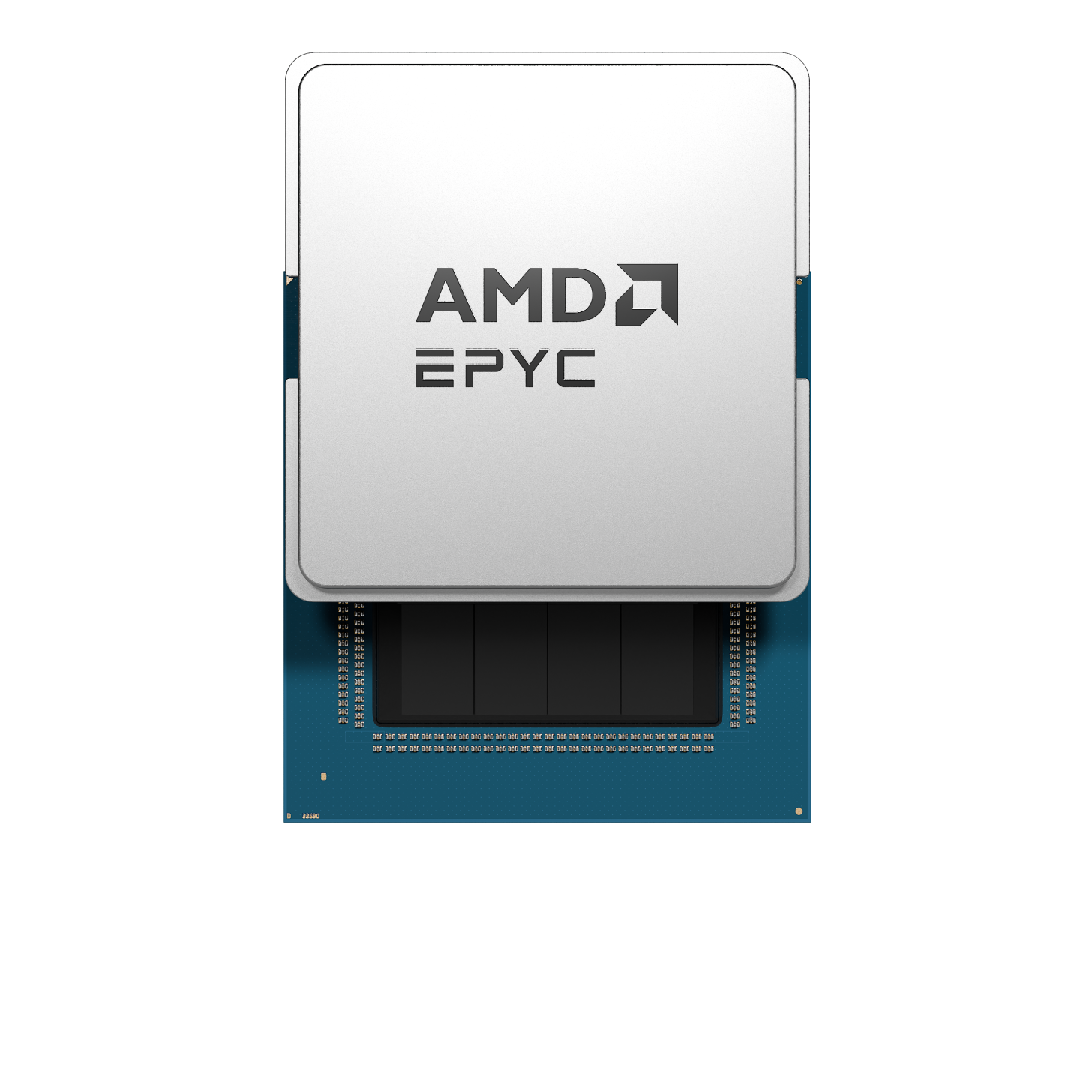
AMD says Venice has achieved volume ramp on TSMC’s leading 2 nm process technology. Looking ahead, AMD also plans to ramp the same EPYC Venice CPUs at TSMC Arizona, expanding manufacturing capacity to help address growing demand from AI data centers and enterprise customers. This is especially important because the next wave of AI infrastructure will not depend only on accelerators. CPUs will remain essential for orchestration, data movement, preprocessing, memory management, system control, and agentic AI workloads.
AMD also confirmed that TSMC’s 2 nm process technology will extend to Verano, a future AI focused CPU derived from Venice and designed specifically for agentic AI workflows. Verano is expected to support the latest memory standards, including LPDDR, with the goal of delivering higher performance, bandwidth, and efficiency for next generation AI systems.
“AMD and TSMC’s partnership spans the technologies needed to scale modern data center computing, from TSMC 2nm process technology for next generation CPUs to advanced packaging technologies, including TSMC’s SoIC X and CoWoS L, used across AMD’s broader AI and data center portfolio. With “Venice” ramping on TSMC 2nm, AMD is advancing the CPU foundation for AI infrastructure while continuing to leverage TSMC’s process and packaging leadership to deliver increasingly integrated compute platforms at scale.”
AMD
Based on current information, AMD EPYC Venice CPUs will offer more than 70% improvement in performance and efficiency, along with more than 30% improvement in thread density. These are significant generational claims and suggest that Zen 6 will deliver gains through more than just higher core counts. IPC improvements, clock behavior, architectural refinements, memory subsystem upgrades, and process node efficiency are all expected to contribute.
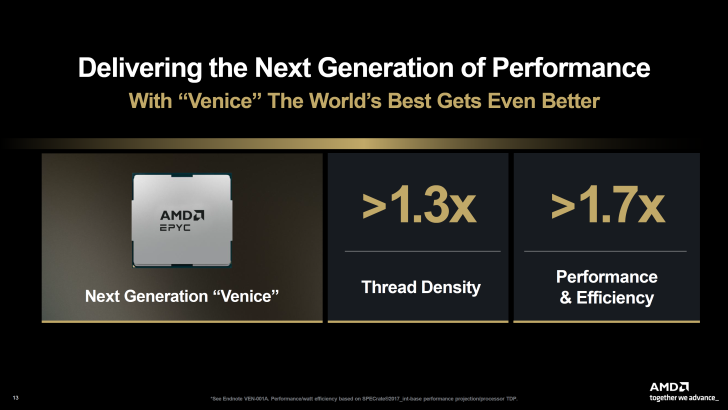
The Venice lineup is expected to arrive in 2 main configurations. One will follow a classic 96 core structure, while the denser version will scale up to 256 cores and 512 threads. That would represent a 33.3% core count increase compared with the current EPYC Turin generation, which tops out at 192 cores and 384 threads.
That jump matters because agentic AI infrastructure is pushing demand for CPUs in a way the market has not seen before. While GPUs and accelerators remain central to training and inference, AI systems still need high performance CPUs to coordinate workloads, feed accelerators, handle distributed systems, manage memory movement, and support enterprise application layers. As AI systems become more autonomous and multi agent, CPU demand may rise further rather than fade into the background.
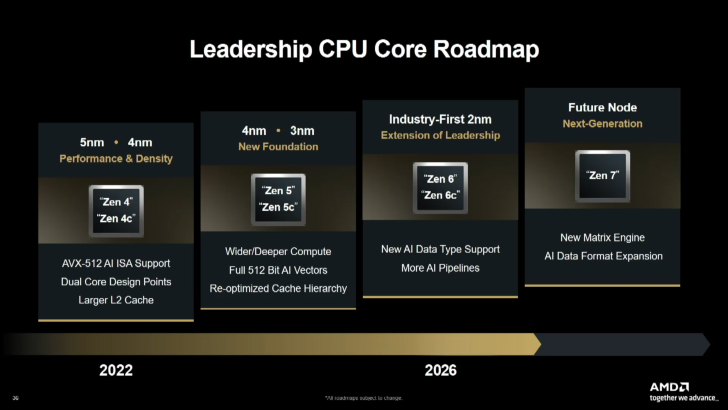
TSMC’s 2 nm process also brings a major technology shift. The node moves from FinFET to nanosheet transistors, also known as gate all around transistor technology. TSMC has previously positioned the process as delivering 10% to 15% higher performance at the same power, 25% to 30% lower power consumption at the same performance, and up to 15% higher transistor density. For server CPUs, these gains can translate into better rack level efficiency, stronger performance per watt, and improved deployment economics.
AMD’s timing is also strategic. The company is entering a more contested CPU market as NVIDIA, Arm, and Intel all prepare stronger plays for AI infrastructure. NVIDIA has claimed ambitions to become a leading CPU supplier in 2026 with its Vera CPU, with estimates pointing toward major revenue potential. Arm is also moving forward with its own AI infrastructure strategy, while Intel is doubling down on its CPU roadmap under renewed leadership and stronger data center focus.
In this environment, manufacturing supply could become just as important as architecture. The company that can secure the most advanced capacity, ramp products reliably, and deliver volume at scale may gain a major advantage in the agentic AI race. AMD’s close relationship with TSMC, combined with reported efforts to secure 2 nm capacity ahead of Computex 2026 and wider investments across Taiwanese partners, gives the company a strong position as demand accelerates.
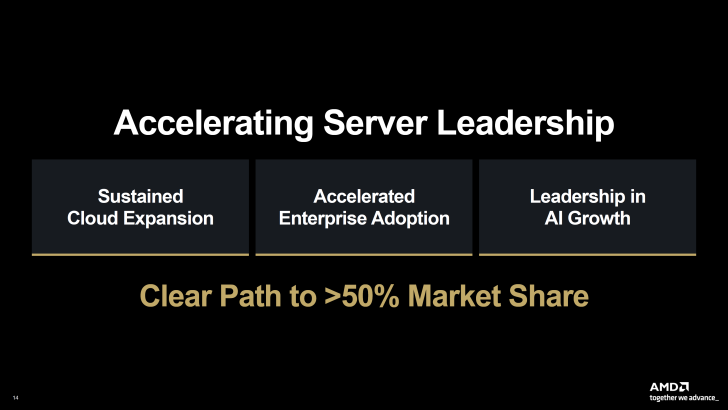
The broader message is clear. AMD is moving early on 2 nm high performance computing silicon, and EPYC Venice is being placed at the center of its next generation AI infrastructure strategy. With Zen 6, up to 256 cores, improved thread density, major performance and efficiency claims, and a manufacturing path tied to both TSMC Taiwan and TSMC Arizona, Venice could become one of AMD’s most important server launches yet.
For data center buyers, the key question will be whether AMD can translate these technical milestones into available volume, competitive pricing, strong platform support, and real world performance leadership. In the agentic AI era, architecture matters, but supply matters just as much.
Do you think AMD’s EPYC Venice and Zen 6 roadmap can give it a stronger position in agentic AI infrastructure, or will NVIDIA, Intel, and Arm make the CPU race far more competitive?
