
AMD Confirms Valve Steam Machine Shipments Planned for Early 2026 as Valve Signals a Delay Into Later Spring
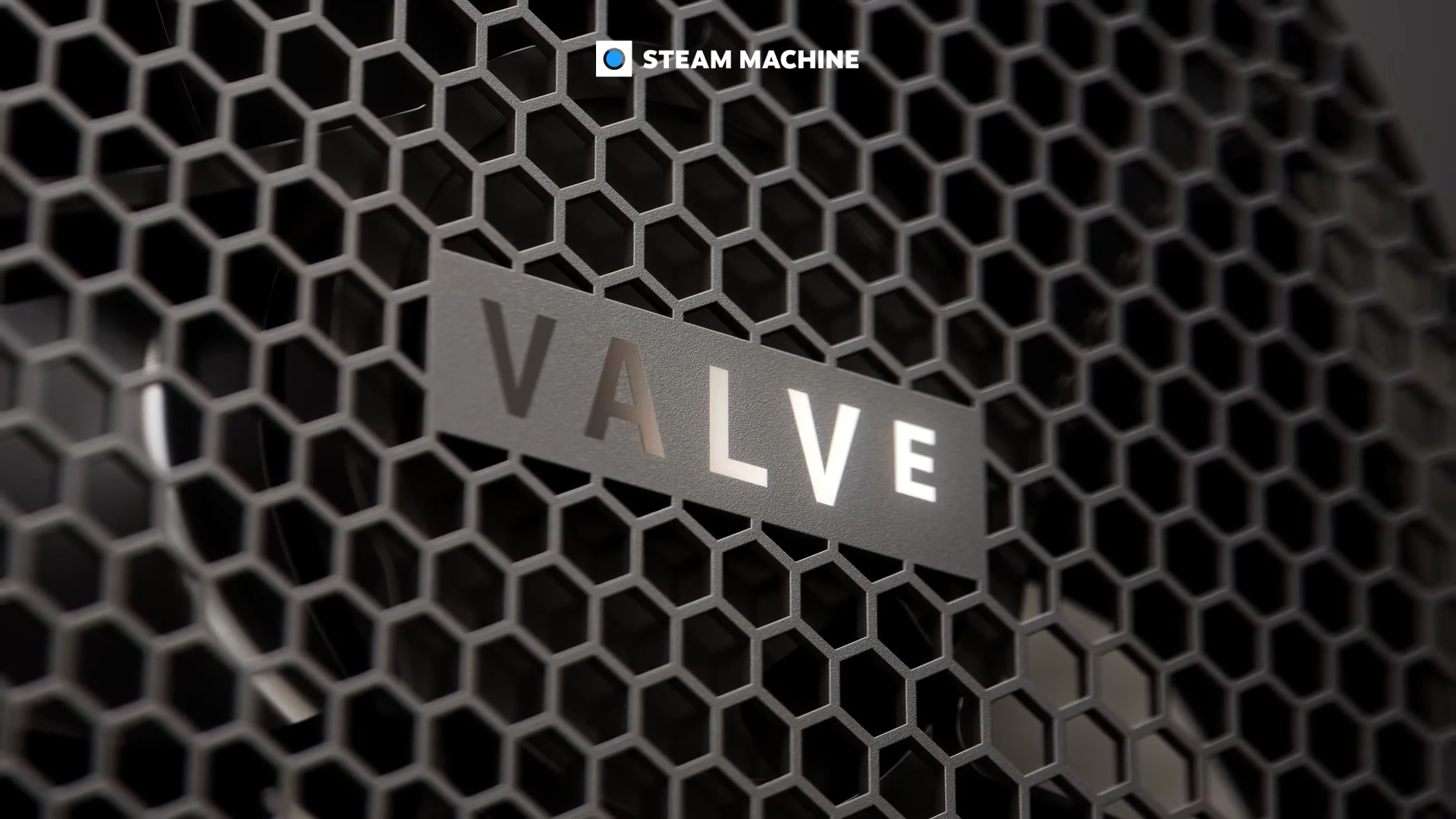
AMD has added real fuel to the Steam hardware rumor mill by publicly stating that Valve is on track to begin shipping its AMD powered Steam Machine in early 2026, a line delivered by AMD CEO Dr. Lisa Su during the company’s Q4 2025 earnings call. In practical terms, this is the first time AMD has put an “early 2026” shipment window on the record, which immediately elevates Steam Machine from industry chatter into a roadmap item investors are now tracking.
What makes this notable is not just the timing but the strategic framing. AMD positioned the Steam Machine as part of its semi custom business momentum, the same segment that continues to anchor current generation consoles and is already rolling forward into the next wave. In the same call, Dr. Su also stated Microsoft’s next gen Xbox development is progressing well to support a 2027 launch, reinforcing that AMD’s console pipeline is now operating on a multi year cadence that covers both Valve and Microsoft in parallel. That combination of statements effectively sets expectations that 2026 is a Valve year, while 2027 is where the next Xbox cycle begins.
However, the “early 2026” message was quickly tempered by Valve. Just hours after the AMD comment circulated, Valve posted a new update acknowledging a slight delay and reframing launch expectations for the broader Steam Hardware family. Valve’s update is published on the Steam Community announcements page at Steam Hardware announcement. In that post, Valve explained it revisited shipping schedules and pricing due to ongoing memory and storage shortages affecting the tech industry, noting it had hoped to share firm launch and pricing details by now but could not yet do so. Valve’s target is to launch the products in the first half of 2026, and the language implies the Steam Machine and Steam Frame are particularly impacted, while the Steam Controller is less constrained from a component standpoint but is still being timed to ship alongside the other devices.
From a market positioning angle, this is where the story gets interesting. A timing slip from early 2026 into later spring 2026 is not the real risk. The bigger variable is pricing, because component volatility and supply constraints directly compress the value proposition of a console style device that will not be subsidized like traditional mainstream consoles. Unconfirmed retailer listings have floated pricing around 950$ for a 512GB model and 1070$ for a 2TB model, but those figures remain speculative and are not confirmed by Valve in the official update. Still, they reflect what players are worried about: the Steam Machine is entering a console market that is extremely price sensitive, especially when the buyer comparison set includes established consoles and an ocean of affordable PC builds at the low and mid tiers.
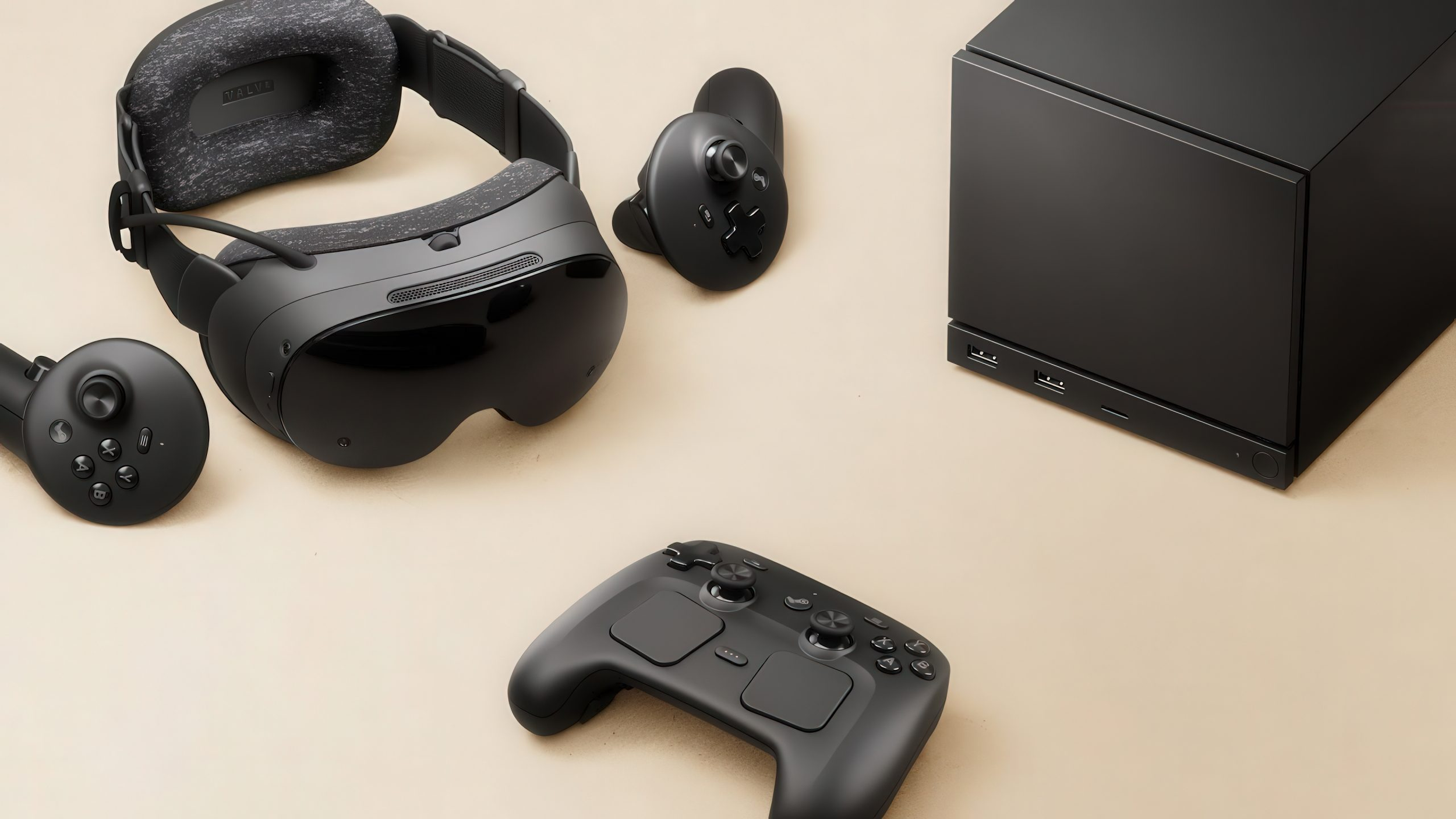
Valve’s update also includes a set of high signal FAQs that reveal how the company is thinking about performance, expandability, and ecosystem leverage.
For Steam Machine, Valve reiterated that most Steam games can run at 4K at 60 FPS using AMD FSR, while also acknowledging some titles will be more demanding. In those cases, Valve points toward a more console realistic approach: lower frame rate targets with VRR enabled and a 1080p internal resolution. Valve also stated it is working on HDMI VRR, investigating improved upscaling, and optimizing ray tracing performance in the Steam Machine driver. If you read that as a product strategy, it suggests Valve is prioritizing a consistent living room experience through software, driver level optimization, and scaling tech rather than trying to win a brute force spec war on day 1. Valve also confirmed the SSD, using NVMe 2230 or 2280 form factors, and the RAM, using DDR5 SODIMMs, are user accessible and upgradable. That is a major differentiation versus closed consoles, and it is an explicit nod to the PC enthusiast mindset that Steam users already have. Valve further stated it will begin sharing faceplate CAD models, specs, and details in the coming months so third party manufacturers can produce and sell faceplates, essentially productizing mod culture as an ecosystem layer rather than treating it as a fringe hobby.
For Steam Frame, Valve stated streaming services should work in a theatrical browser mode. It also addressed accessibility for glasses wearers, saying most should be fine depending on frame width, while noting the company wants prescription lens inserts available ahead of launch. The most technically meaningful reveal is a new feature called Foveated Streaming, where eye tracking data helps the PC stream high resolution only to the portion of the viewport the player is looking at, positioning it as a system level feature applicable to all games to improve performance. Valve also notes this can stack with Foveated Rendering if a game supports it, which is a strong efficiency story for high fidelity VR experiences. Valve added that the Valve Index will continue to be supported.
For Steam Controller, Valve said it is expected to work with any game compatible with the Steam Overlay even if the game is not on Steam. That is a quietly ambitious ecosystem move because it treats the controller as an input layer that can travel with the player across libraries, launchers, and play habits.
Net net, this is a classic two track narrative: AMD provides the investor grade milestone language, while Valve provides the operational reality check driven by supply chain constraints and pricing uncertainty. The most credible takeaway is that a first half 2026 launch remains the target, with timing now leaning toward later spring 2026, potentially around 2026 05 or 2026 06 based on the tone of the update. For players, the decision point is simple: the Steam Machine must justify its price with console simplicity, PC flexibility, and Steam ecosystem advantages, all while delivering a credible 4K experience through FSR, VRR, and driver level optimization. If Valve lands those pillars, the Steam Machine could carve out a premium niche as a living room PC console hybrid. If pricing escalates too far, it risks becoming a passion product rather than a platform play.
If the Steam Machine really lands around 950$ to 1070$, would you still buy it for the upgradable PC style design and Steam ecosystem, or would you rather build a small form factor PC instead?
