
Against All Odds, Monster Hunter Wilds PC Patch Delivers Real Gains, With Smoother Frametime and Better Steam Deck Playability
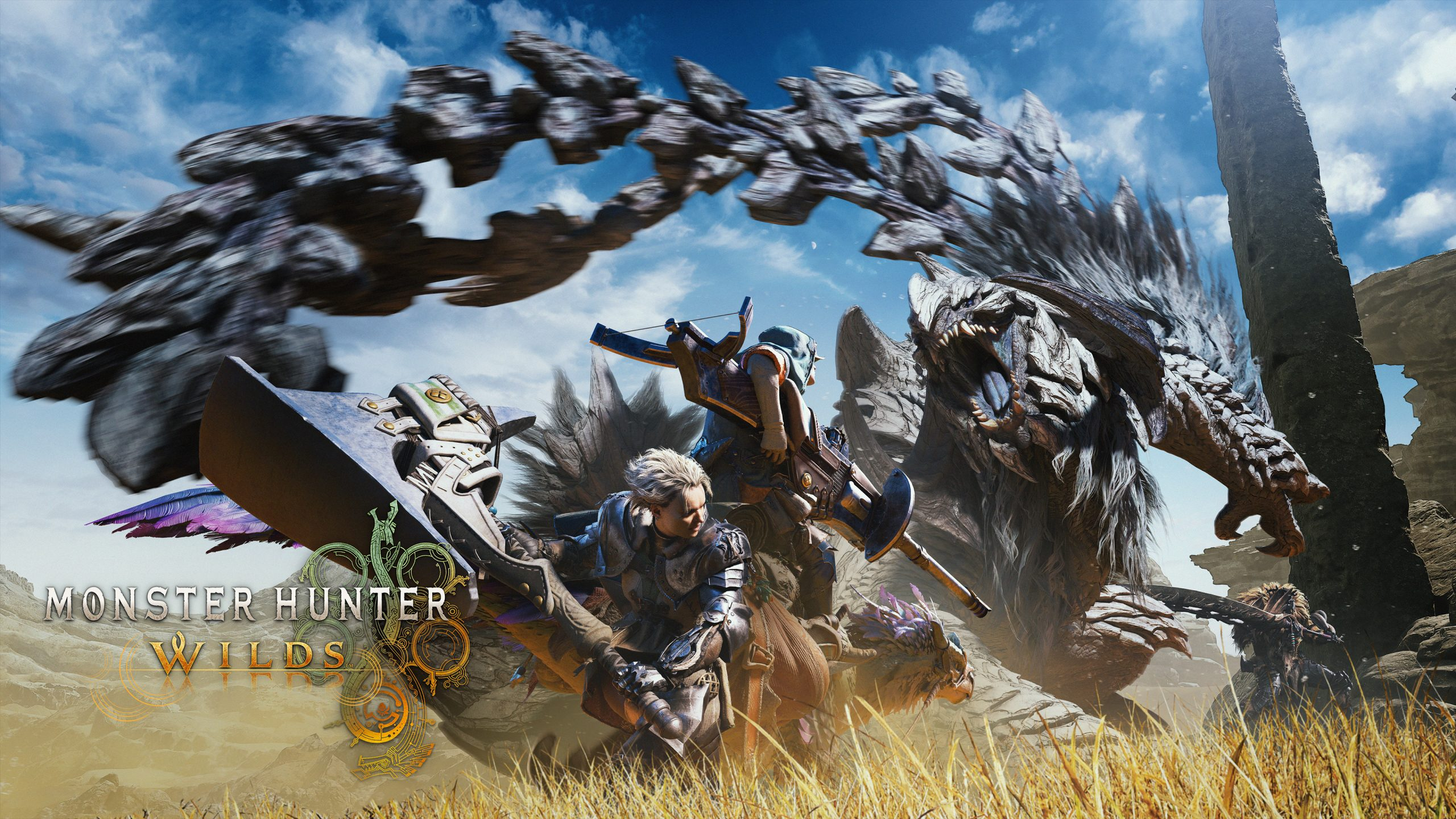
Monster Hunter Wilds has had a complicated post launch reality. Even with a strong launch window last year, the game never fully converted that momentum into the kind of sustained dominance CAPCOM achieved with Monster Hunter World and Monster Hunter Rise. The two biggest friction points have been consistent: the early low challenge curve that left veteran hunters underfed, and the broad performance instability that kept both lapsed players and new buyers hesitant to commit long term.
CAPCOM did make progress on the difficulty front last year through Title Updates that introduced tougher monsters and stronger variants, but performance remained the bigger blocker. December’s update looked like a warm up, with the real spotlight landing on the January PC performance update. Now that it is live, the initial outcome looks surprisingly positive. The 1.040.03.01 PC performance patch appears to deliver meaningful quality of play improvements across multiple PC configurations and even on Steam Deck, not necessarily through huge average FPS gains, but through the more important metric for feel: stability.
The patch went live today with official notes published on the Steam news hub. In terms of the actual technical levers being pulled, the changes aim directly at the biggest sources of stutter and inconsistent frame pacing. CAPCOM says it improved CPU and GPU processing specifically for the Steam version, reduced shader warming happening outside the shader compilation screen to lower CPU load, adjusted texture streaming to improve visual quality while reducing VRAM usage, and tuned the High Resolution Texture Pack to reduce VRAM usage and overall package size. It also adds a CPU tab to the Options menu so players can adjust settings related to CPU load, expands and reorganizes graphics settings and presets, and adds a confirmation flow to auto update settings on first launch after updating. On top of that, the Volumetric Fog setting now has 5 levels instead of 2, giving players more granular control, and CAPCOM fixed an issue where a warning dialogue incorrectly flagged AMD Radeon drivers as outdated when using driver version 26.1.1 or later.
On the community side, early user reports suggest this patch finally moves the needle where it matters. ResetEra member moqz reported that the game no longer stutters with the highest textures enabled, though they still observed drops below 60 FPS in some areas on an RTX 4070 Ti at 4K with NVIDIA DLSS Performance Mode. That still aligns with what many players expected, big open zones remain demanding, but the broader message is that traversal and combat are less spiky than before.
Another ResetEra user, jrx8080, described what sounds like a much more dramatic improvement in the top end experience, claiming a significant uplift while running everything maxed, including the high res texture pack, DLAA, and 2X frame generation, with results in the 100 to 120 FPS range, though they did not specify resolution.
For a clearer before and after view, early comparison videos are already circulating. Videos from Video Game Performance, Pandapa, and WreckitRai reinforce a consistent theme: average framerates may not jump massively, but frametimes look notably more stable, and that stability is what makes movement, camera panning, and combat inputs feel smoother in real gameplay.
The Steam Deck angle is where this update becomes even more interesting, because portability has been one of Wilds’ weakest points. A new video from Deck Wizard shows the game running on Valve’s handheld with the patch at a relatively stable 30 FPS using low settings, finally crossing the line from technically running to actually playable for many on the go hunters.
CAPCOM is not done yet either. More performance improvements are expected on February 18, and if the team can keep tightening frame pacing while reducing CPU spikes and VRAM pressure, the timing could be ideal. A performance turnaround right before the Master Rank expansion becomes the cleanest possible re entry point for lapsed hunters, and it also reduces the incentive for players to wait on the increasingly discussed Nintendo Switch 2 version.
One more critical detail is that this patch also addresses the DLC checks issue that surfaced earlier this month and reportedly impacted performance in Base Camp and the Grand Hub. That is important because those areas are supposed to be safe zones for social activity, crafting, and preparation. If the hub stutters, the entire loop feels less premium.
If this patch continues to hold up across broader hardware testing, Monster Hunter Wilds may finally be approaching the baseline stability it needed at launch. The game has always had strong core mechanics and monster design potential, and now it looks like the technical foundation is beginning to match the ambition, which is exactly what is required to bring the community back before the next big content escalation.
What is the bigger win for you with this update, fewer stutters and more stable frametimes on your main rig, or finally making Wilds playable on Steam Deck for portable hunting sessions?
