
After 2 Prior RMAs, ASUS Reportedly Asked a User to Pay $377 for a Third ROG Strix G15 Advantage Repair Linked to Liquid Metal Damage
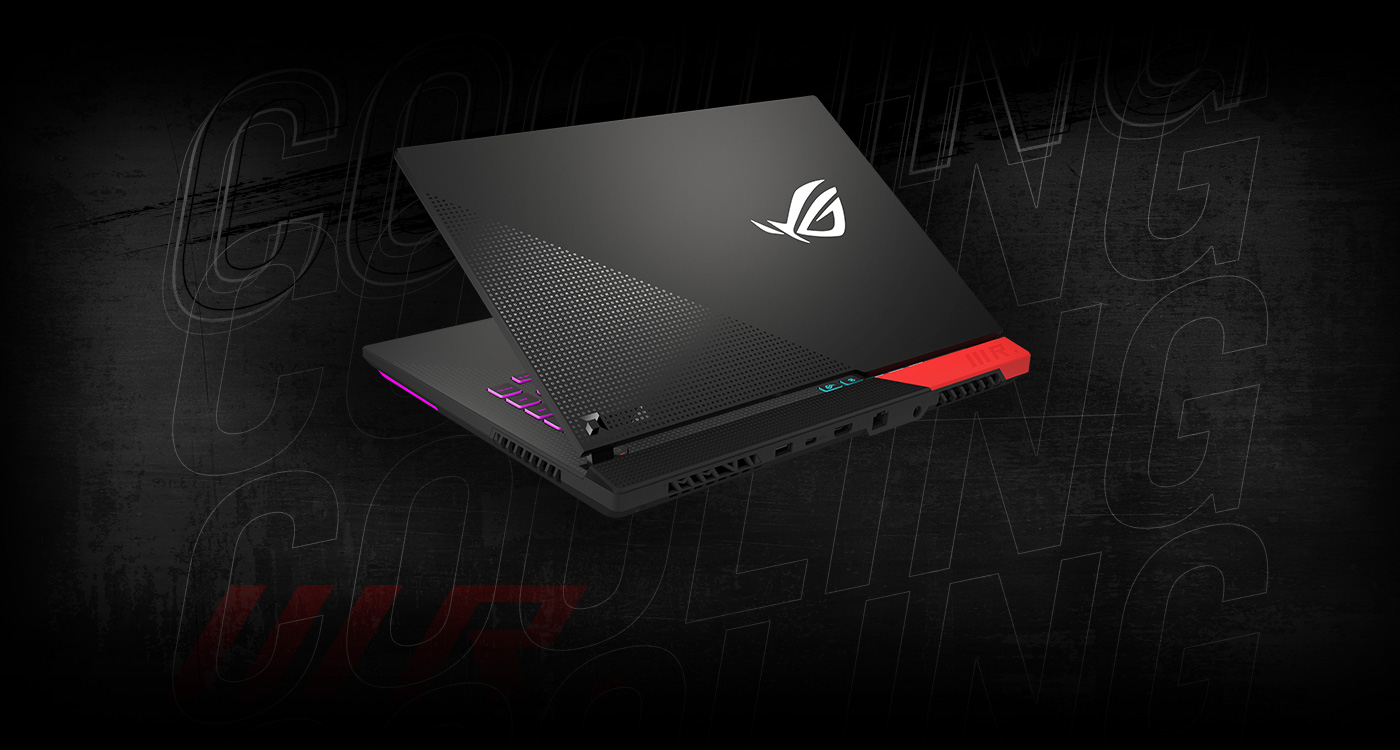
A new ASUS service dispute is drawing attention online after a Reddit user claimed the company requested $377 for a third repair on a ROG Strix G15 Advantage Edition, following 2 earlier RMAs for what the user says was the same recurring liquid metal related motherboard failure. The case comes from a post on Reddit, and at the time of writing, the complaint appears to be based on the user’s account and posted service documentation rather than a public statement from ASUS.
According to the Reddit post, the owner says the laptop first suffered a total motherboard failure allegedly caused by liquid metal leakage or spillage, after which ASUS repaired the machine under warranty. The user says the same failure happened again about 2 months later and was again repaired by ASUS. On the third occurrence, however, the user claims ASUS classified the issue as customer induced damage and instead issued a paid repair quote of about $400, which aligns closely with the reported $377 figure circulating in coverage of the case. The user also says they never opened the laptop or touched the thermal interface material themselves.
What makes the story more notable is the laptop model involved. On the official ASUS ROG Strix G15 Advantage Edition page, ASUS explicitly promotes the system’s use of liquid metal on its processors and says the application process is automated with custom equipment, a patented internal fence to contain the compound, and extra protective steps around nearby components. ASUS also describes liquid metal application as delicate and emphasizes that the system was engineered specifically to manage it safely inside the laptop.
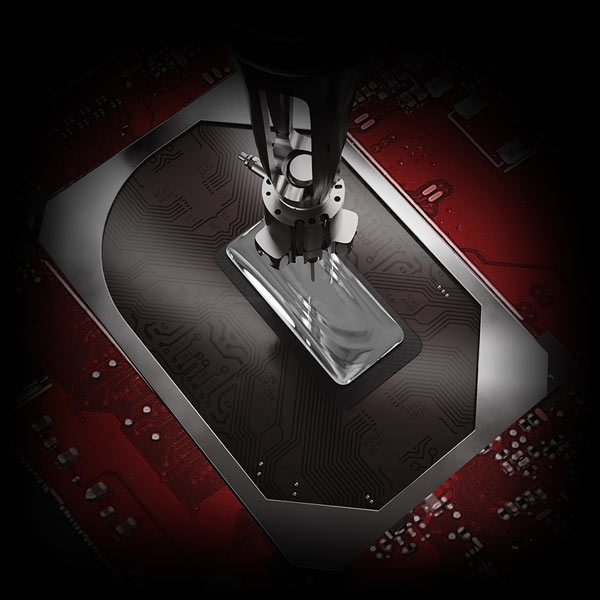
That official product messaging is why the Reddit complaint is resonating. If the user’s account is accurate, then the dispute is not simply about a random out of warranty breakdown. It is about whether a failure tied to a manufacturer promoted cooling design, one ASUS says it carefully engineered and contained, should still be treated as customer responsibility after multiple prior service events. Based on the currently available public information, that question remains unresolved because ASUS does not appear to have issued a public response to this specific case.
It is also important to keep the claim framed carefully. The Reddit post is a first person account, not a court finding or an official defect confirmation from ASUS. The user describes the issue as a known manufacturing defect and says the laptop repeatedly failed for the same reason, but that has not been independently verified by ASUS in any public statement tied to this case. What is verifiable is that ASUS marketed this model with liquid metal cooling and detailed containment measures, and that the Reddit post documents the user alleging repeated RMA history followed by a paid repair quote.
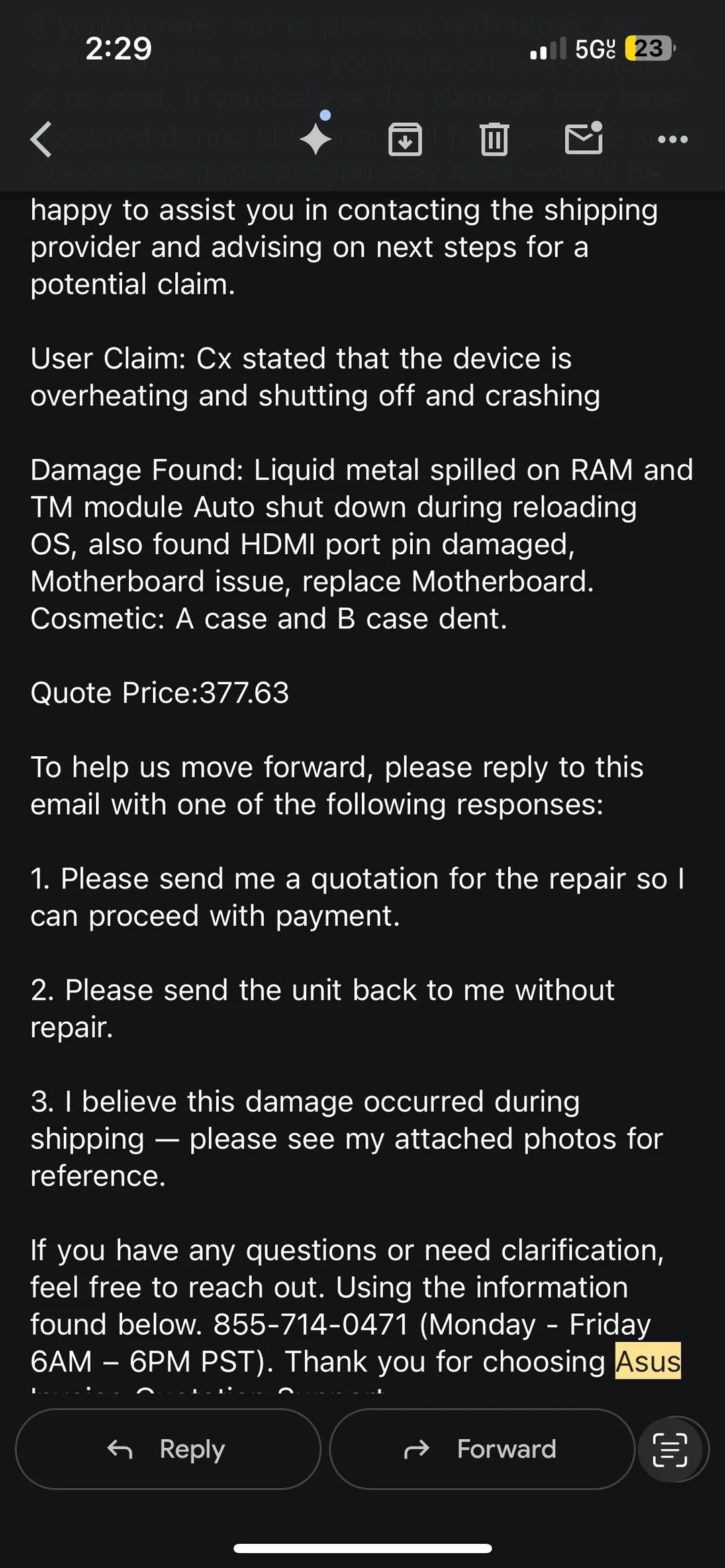
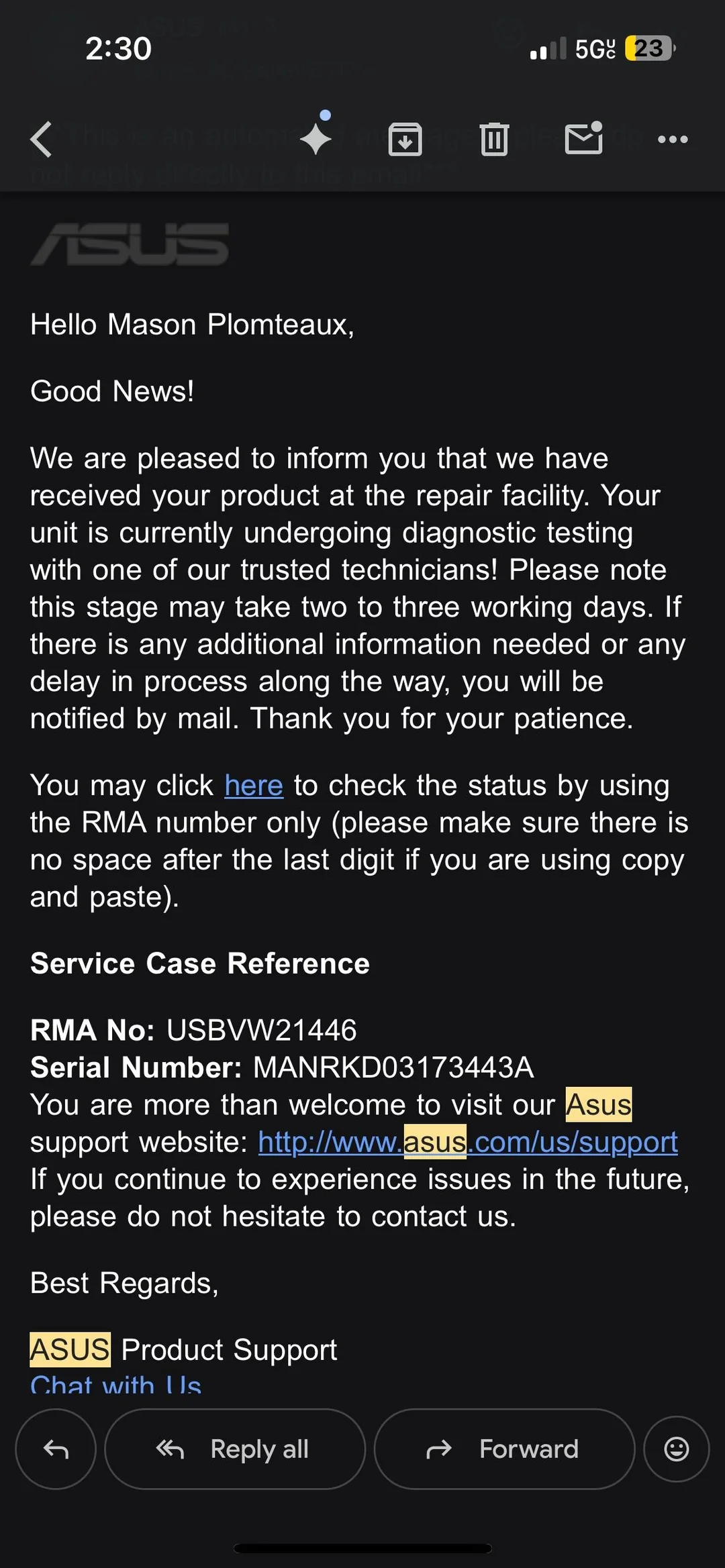
From a consumer trust perspective, this is exactly the kind of story that can do real damage, especially in the gaming laptop segment where premium branding depends heavily on service confidence as much as performance. A single failure can sometimes be dismissed as bad luck. A report of the same laptop allegedly failing 3 times, then shifting from warranty repair to customer blamed damage, creates a much more serious perception problem, particularly when the thermal material involved is one the manufacturer chose and publicly highlighted as a premium engineering feature. This conclusion is an inference based on the reported repair timeline and ASUS’s own product claims.
For now, the safest reading is this: a user has publicly accused ASUS of refusing a third warranty style repair on a ROG Strix G15 Advantage Edition after 2 earlier RMAs for an alleged liquid metal related failure, and ASUS’s own product page confirms the model uses liquid metal with special containment design. Unless ASUS responds publicly or the case is escalated further, the full technical and warranty picture remains incomplete.
What do you think, should repeated failures tied to a manufacturer’s own thermal design automatically trigger a replacement instead of another repair dispute?
