
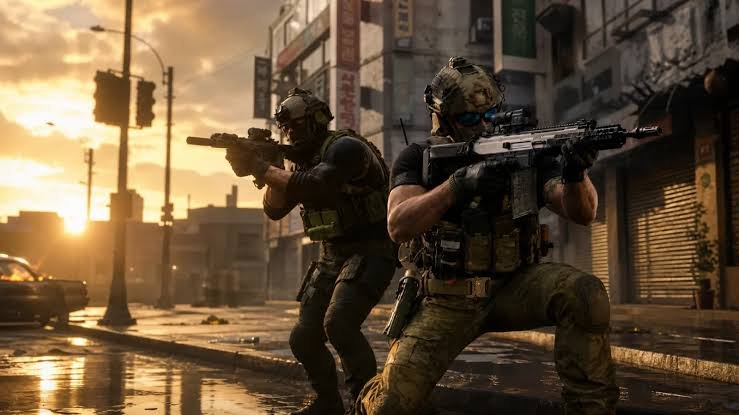
Activision is exploring a controversial application of artificial intelligence that could allow NPCs to learn how to react, celebrate, and trash talk by analyzing real player voice conversations. A patent application published on November 12, 2026, describes a system capable of collecting voice chat recordings, identifying reactions to specific gameplay events, and using machine learning to generate realistic dialogue for computer controlled characters. The technology could eventually transform multiplayer experiences such as Call of Duty, although its proposed integration with external communication platforms raises significant questions about privacy, consent, and player data ownership.
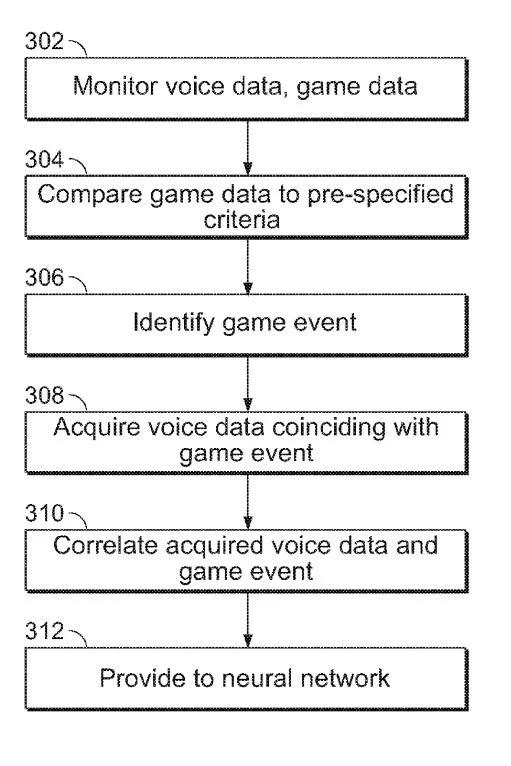
The patent application US 2026/0355629 A1, titled Methods and Systems for Applying Machine Learning to Generate Gameplay Audio, was filed on July 16, 2026, building upon an earlier application dating back to December 2023. The proposed system analyzes events such as eliminating an opponent, getting killed, encountering unexpected gunfire, or celebrating an achievement. In one example, the software captures voice recordings from 10 seconds before an event until 10 seconds afterward, connecting the player's emotional reaction with the corresponding gameplay situation.
These recordings would become training material for a neural network capable of generating contextually appropriate NPC dialogue. For example, an AI controlled opponent could celebrate a successful elimination, mock another player after winning a fight, or react angrily after being defeated. The technology could also provide automatically generated voice reactions for player characters whose users do not have microphones or prefer not to speak. Rather than relying exclusively on a limited library of prerecorded dialogue, the system could produce responses influenced by real multiplayer interactions.
The most controversial aspect involves the potential collection of voice conversations from external applications. Activision's original patent documentation specifically references Discord, TeamSpeak, and Ventrilo as possible communication sources. The proposed technology could associate conversations occurring through these applications with gameplay events, potentially creating training datasets containing private discussions between players. However, the patent does not establish that Activision currently records private Discord conversations or possesses unrestricted access to these services.
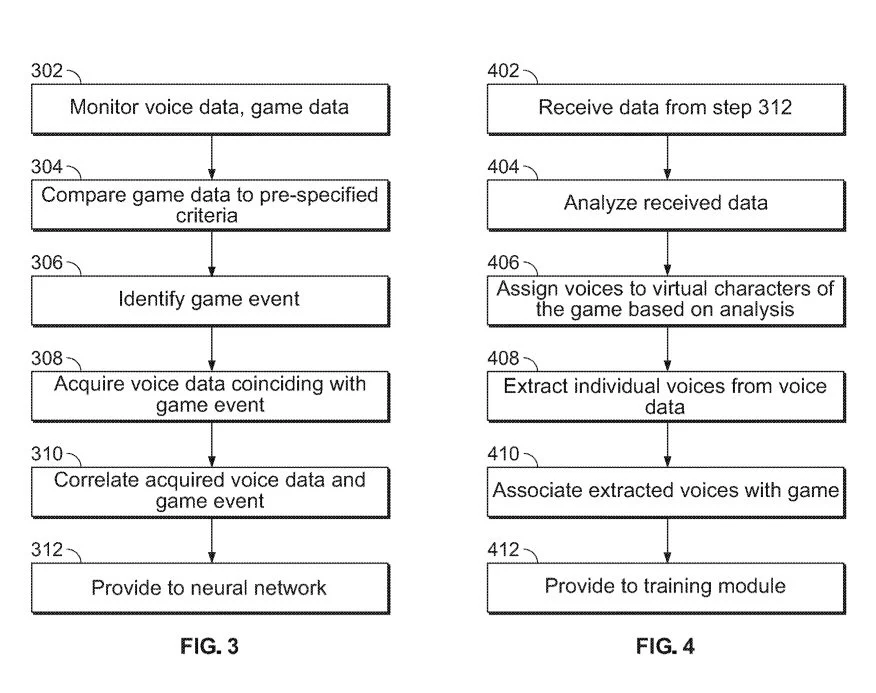
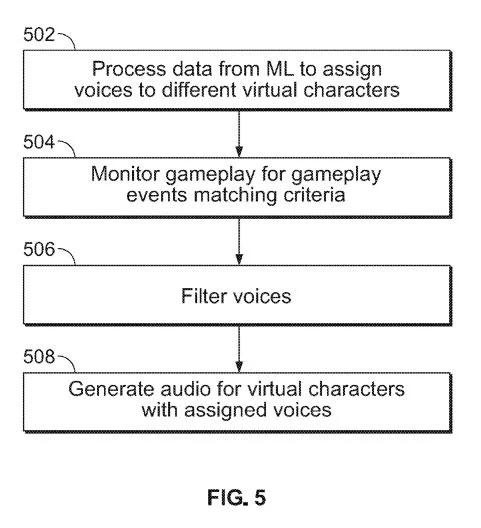
The system also describes personalization mechanisms that could adapt NPC dialogue according to a player's language, location, emotional reactions, and engagement history. Machine learning models could evaluate how users respond to particular comments and adjust subsequent dialogue accordingly. Activision includes filtering mechanisms intended to remove abusive or offensive content, although the documentation does not clearly establish how consent for collecting and repurposing external conversations would be obtained.
Activision already uses artificial intelligence for communication monitoring through Modulate's ToxMod technology, which analyzes voice chat to identify harassment, discrimination, and violations of community guidelines. However, the existing moderation system is separate from the proposed NPC dialogue generation technology and does not establish that player conversations are currently being collected to train character voices.
The filing follows growing industry interest in adaptive characters, including Sony's patent for NPCs that learn from player behavior and community projects such as GTA V's NPCTalk modification, which enables conversations with computer controlled characters using AI generated dialogue.
Although the technology could make multiplayer environments considerably more immersive, implementing it would introduce additional challenges involving voice data protection, offensive language filtering, artificial intelligence processing costs, and the rights of voice actors whose work could potentially be replaced or replicated.
Activision has not announced plans to introduce this system into Call of Duty or any other game. The published application represents a proposed technology rather than confirmation of an upcoming commercial feature.
Activision's proposal demonstrates how artificial intelligence could introduce more dynamic and entertaining multiplayer interactions. NPCs capable of responding naturally to gameplay events would be an interesting improvement over repetitive prerecorded dialogue, particularly in competitive shooters where player reactions are an important part of the experience.
However, using private voice conversations as AI training material without clear and informed consent would be unacceptable. Players should retain ownership and control over their communications, including the ability to decide whether their voices and conversations can be stored, analyzed, or used to generate artificial dialogue.
There is also a significant difference between creating more responsive NPCs and designing characters that deliberately provoke players to increase engagement. Competitive gaming already struggles with harassment and toxic communication, and introducing automated characters trained on those behaviors could make the situation worse without effective safeguards.
AI should enhance gameplay rather than become another mechanism for collecting user information or replacing creative professionals. Developers can build advanced character systems using properly licensed datasets, original performances, and transparent privacy controls.
The future of AI in gaming should prioritize player freedom, privacy, and meaningful gameplay improvements rather than treating every conversation as a resource for machine learning.
Would you enjoy Call of Duty NPCs that learn to trash talk like real players, or would you consider using Discord and other voice conversations for AI training an unacceptable invasion of privacy?
