
Veteran Game Artist Defends DLSS 5, Arguing Critics Are Missing How Dramatically Lighting Can Change a Face
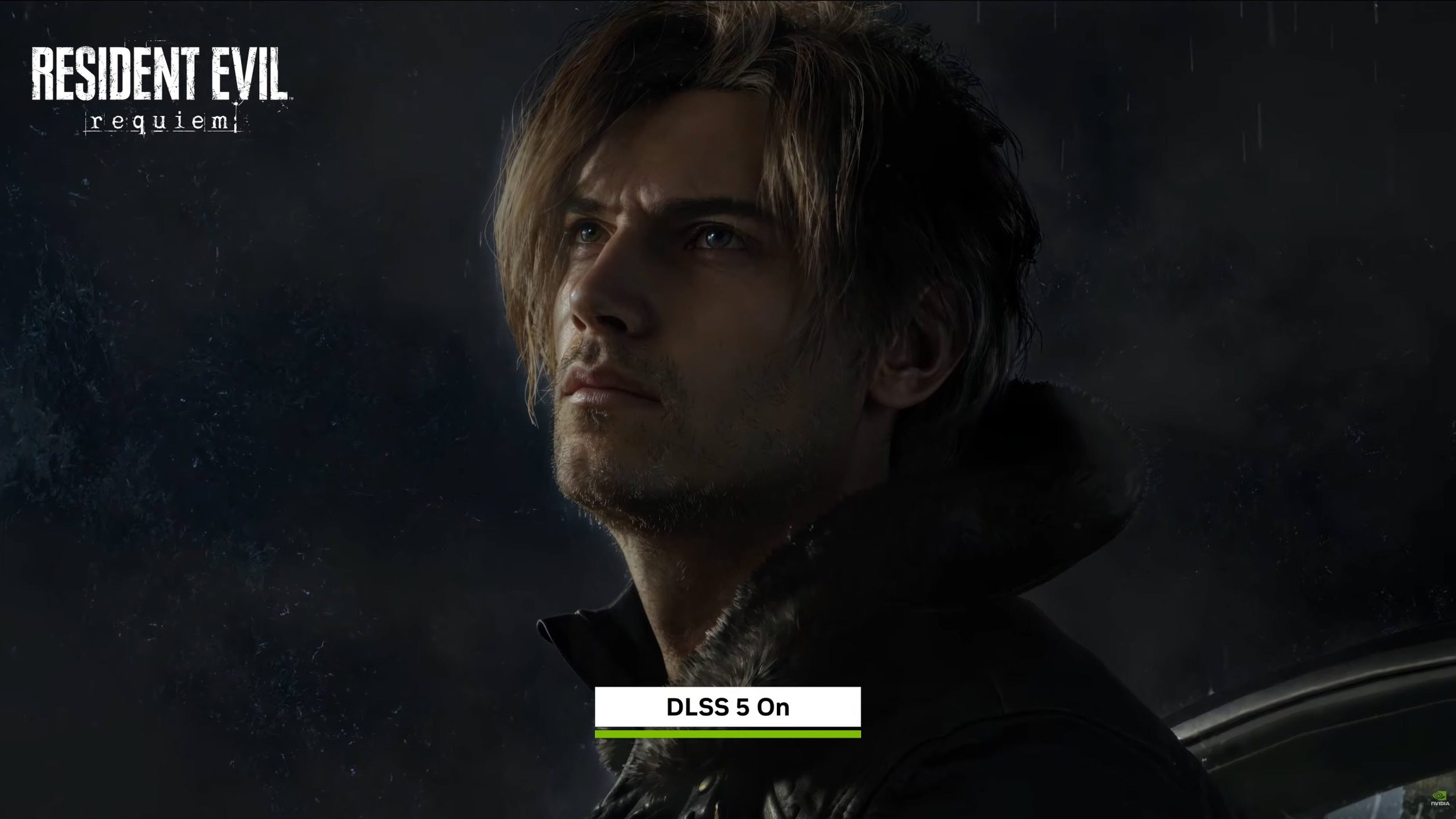
The DLSS 5 backlash is not slowing down, but one veteran game artist says much of the criticism is built on a fundamental misunderstanding of what the technology is actually doing. Georgian Avasilcutei, whose credits include Remember Me, Life is Strange, Dishonored 2, Dishonored: Death of the Outsider, and Hogwarts Legacy, pushed back hard on X this week, arguing that many people attacking DLSS 5 are reacting to the word “AI” without understanding the rendering side of the conversation. In the post, he described many detractors as sitting at the “peak of ignorance,” and said DLSS 5 is not a prompt based image generator but a system that uses the game’s own scene data to improve lighting and shading.
After this whole debate about DLSS 5 I came to the conclusion that most of the people talking about it are completely unaware of what they don't know...they're on the peak of ignorance and don't even grasp how little they understand.
— Georgian Avasilcutei (@nimlot26) March 18, 2026
They just heard generative AI and like… pic.twitter.com/zp69BPHAVA
That distinction lines up with NVIDIA’s official description of DLSS 5. In its GTC 2026 announcement, NVIDIA says DLSS 5 takes a game’s frame color and motion vectors as input and uses a real time neural rendering model to infuse scenes with more photoreal lighting and materials while staying anchored to source 3D content and remaining consistent from frame to frame. NVIDIA also says the SDK gives developers controls for intensity, color grading, and masking so artists can decide where and how the effect is applied.
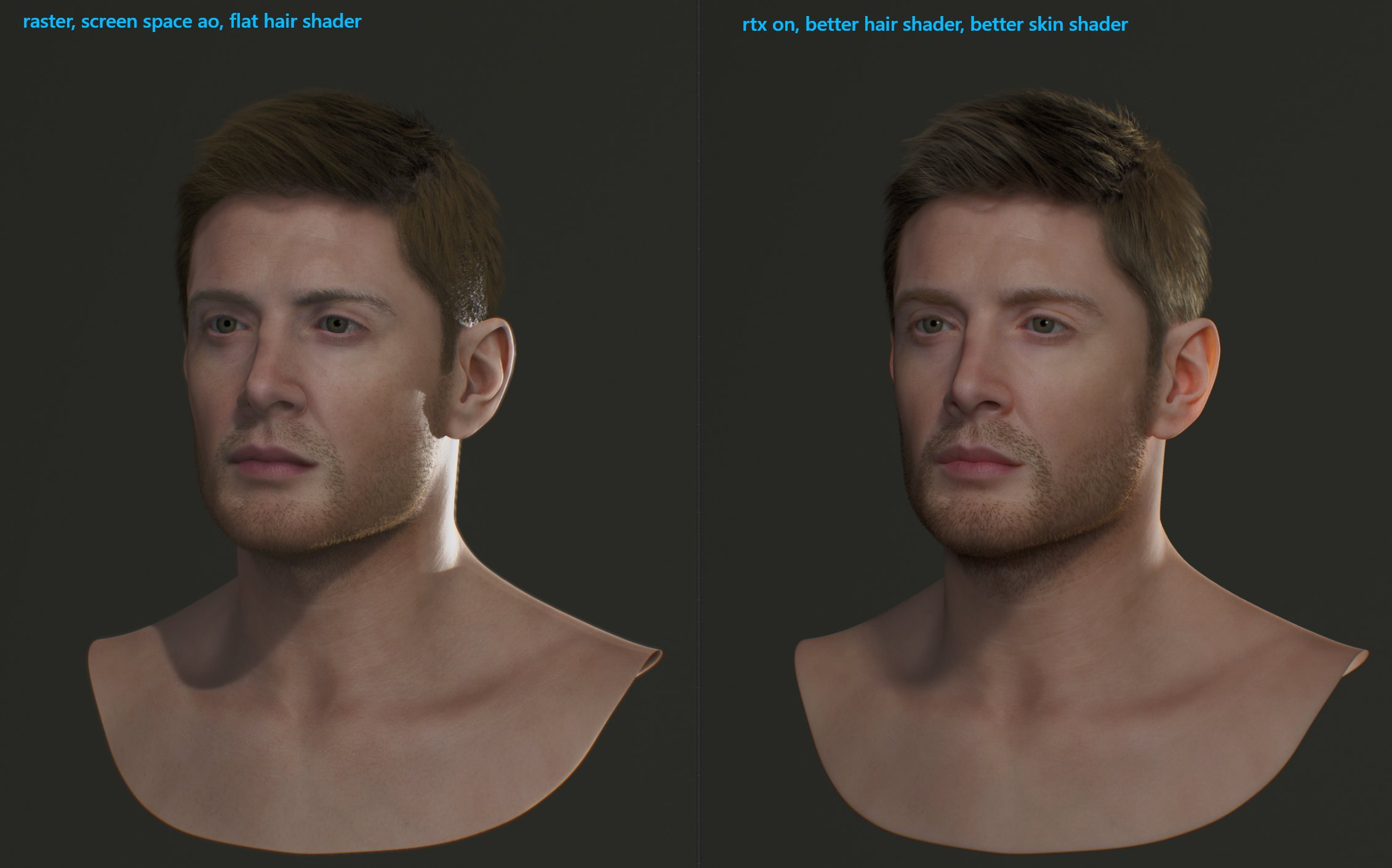
Avasilcutei’s central argument was simple and visual. He posted a comparison using a character model he worked on, showing how the same face can appear dramatically different depending on the lighting model and shader quality. His point was not that the geometry changed, but that more accurate lighting, skin response, and hair shading can make the exact same underlying model look like a different person to the viewer. That mirrors one of the most consistent defenses of DLSS 5 so far: supporters argue that many players are misreading lighting driven appearance changes as geometry manipulation.
That view is also increasingly shared by people who saw the DLSS 5 demo in person. NVIDIA’s press release says the model is trained to understand complex scene semantics such as characters, hair, fabric, translucent skin, and lighting conditions like front lit or back lit scenarios. Ryan Shrout and other early supporters have argued that the most visible changes happen on faces because people are naturally hyper sensitive to them, even though the broader gains extend across materials, foliage, water, shadows, and scene depth.
At the same time, the criticism is not imaginary. A big part of the backlash comes from players who feel that some early DLSS 5 examples make characters look too processed, too beautified, or simply less faithful to the original artistic identity. That concern became strong enough that Bethesda publicly stepped in to clarify its own implementation, calling the current DLSS 5 showcase a “very early look,” saying its art teams will continue tuning the effect, and emphasizing that the feature will remain under artist control and optional for players.
So the real divide is no longer just “AI good” versus “AI bad.” It is a more specific fight over authorship and perception. Avasilcutei is effectively saying that many critics are confusing real time rendering limitations with artistic intent, and that if artists had always been able to afford better real time lighting and shader behavior, many of them would have chosen it. NVIDIA’s own messaging strongly supports that interpretation, presenting DLSS 5 as a bridge between existing real time rendering and the kind of lighting and material quality usually associated with offline film workflows.
Whether players buy that argument will probably depend less on social media threads and more on how DLSS 5 looks once it appears in finished games this fall. For now, though, the artist side of the debate is becoming clearer. At least some developers and senior artists do not see DLSS 5 as an insult to visual design. They see it as a tool that may finally let real time scenes get closer to the lighting quality they always wanted in the first place.
Do you think DLSS 5 is revealing how powerful lighting really is, or do you still feel it risks changing a game’s identity too much?
