
Veteran Developer Calls Clair Obscur: Expedition 33 a Gaming Mystery as a 30 Person Core Team Delivers AAA Level Quality
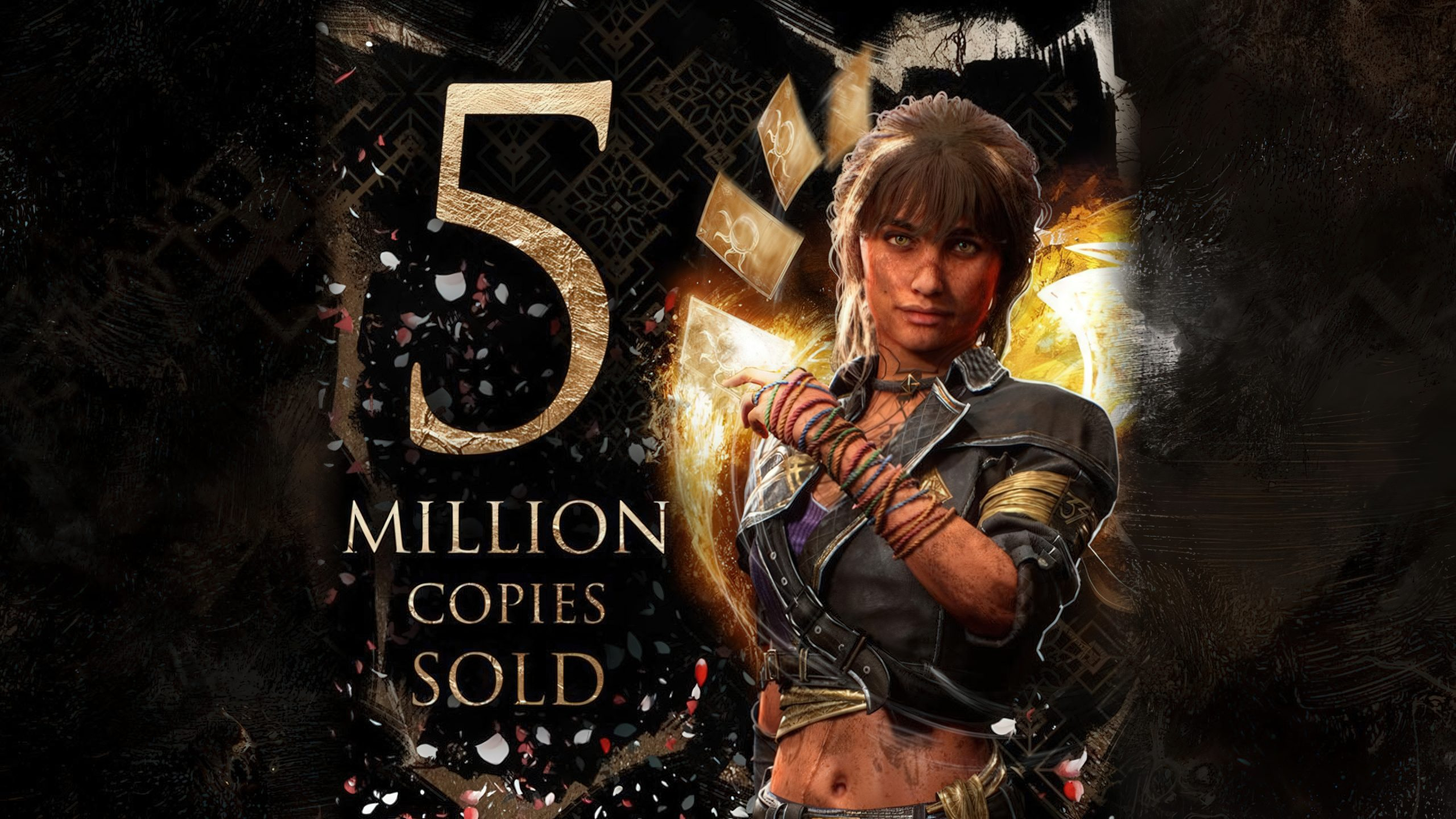
Clair Obscur: Expedition 33 keeps generating the kind of industry conversation that usually only happens when a project breaks the assumed rules of production scale. The game has been widely discussed as a high quality JRPG style single player experience delivered on a budget reported to be under 10,000,000$ and built by a core team of around 30 people, with many first time developers involved. That combination is exactly why The Astronauts founder and chief executive Adrian Chmielarz says he cannot wrap his head around how Sandfall Interactive pulled it off.
In an interview with GamesIndustry.biz, Chmielarz describes Clair Obscur: Expedition 33 as the biggest mystery in gaming right now. His reaction is not framed as casual praise. It is framed as a direct challenge to his professional worldview after learning the project reportedly hired many newcomers who had not shipped a game before, yet still delivered a cohesive package with strong story direction, convincing gameplay, striking visuals, and sound work that reads like a full AAA production.
Chmielarz brings the discussion back to practical craft, and that is where the analysis becomes valuable for developers and players alike. He acknowledges that outsourcing played a role, pointing to the long credits as evidence that external contributors helped ship the final product. Still, he insists that outsourcing does not erase the core point, which is that the central creative execution and production leadership appears to have been driven by a relatively small internal team. In his view, that is what makes the result so hard to explain, because the output is not just polished, it is coherent, and coherence is usually the first casualty when teams are small, inexperienced, or stretched.
He also highlights a few design decisions that he reads as smart production levers rather than compromises. He points to enemies that lack faces by design, which reduces the animation burden. He also notes that the highest quality story scenes are staged more like theatrical plays, where characters do not heavily interact with the environment, avoiding one of the most time intensive and failure prone elements of cinematic production. Those are the kind of targeted scope controls that can preserve ambition while keeping a small team from drowning in edge cases, but they also require strong direction to ensure the final presentation still feels intentional rather than limited.
The bigger takeaway is that Clair Obscur: Expedition 33 is becoming a proof point for an emerging model in premium games. A small core team can build something that looks and feels far larger when it combines disciplined scope choices, highly selective complexity, strong art direction, and outsourcing used as an amplifier rather than a crutch. Whether that model is repeatable is the real question, and that is why veteran developers are studying it like a case file, not just celebrating it.
Do you think Clair Obscur: Expedition 33 proves small teams can regularly ship AAA quality with smart scope control, or is this a rare lightning strike that will be difficult for other studios to replicate?
