
Steam Machine Moves Closer To Launch After Appearing In Official Vulkan 1.4 Conformant Product Database
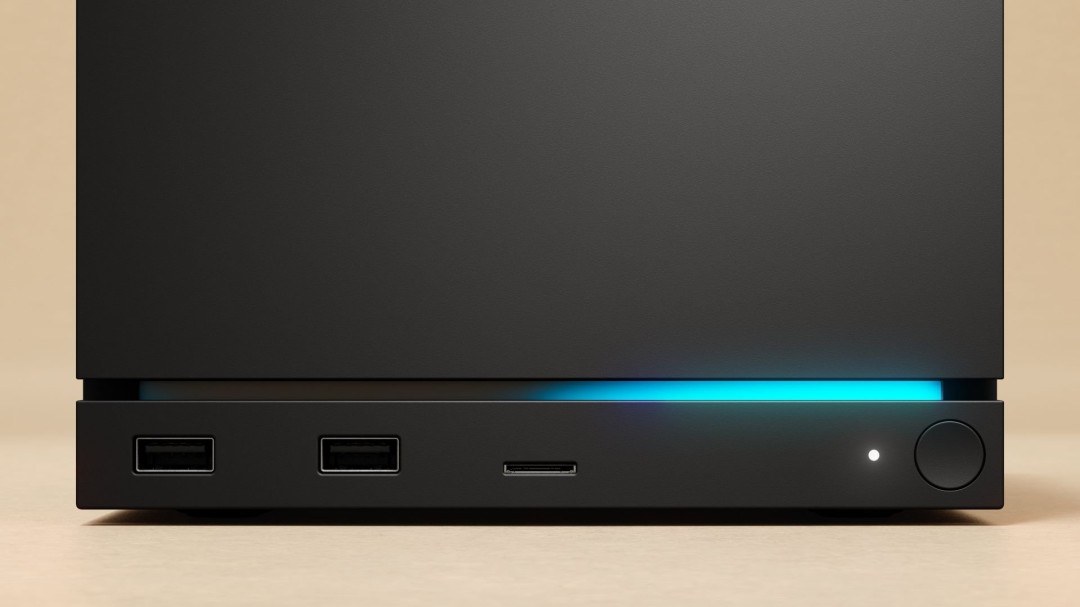
Valve’s upcoming Steam Machine appears to be moving closer to release, as the system has now been added to the official Khronos Vulkan conformant products database. While Valve has still not confirmed a release date, the new entry suggests that one of the final technical validation steps for the gaming system has already been completed.
The listing was added on May 23 and identifies the system as the AMD Steam Machine. It also provides additional hardware and software details, confirming Vulkan 1.4 support through an open source AMD GPU driver. According to the database, the system uses CTS Version 1.4.5.3, belongs to the RADV NAVI33 product family, and runs on the Mesa RADV driver. The CPU is listed as AMD Custom CPU 1772, while the operating system is shown as a Valve customized Linux 6.16.12 build under the Neptune branch.
Although certification in the Vulkan conformant product database does not confirm an exact release date, it is a meaningful sign that Valve is preparing the hardware for market. Vulkan conformance is an important step for gaming devices because it confirms that the graphics implementation meets official Khronos standards, which is especially relevant for a Linux based gaming system expected to run a broad PC game library through SteamOS and compatibility layers.
The Steam Machine has already become one of the most closely watched upcoming gaming systems because it sits in an unusual position between traditional consoles and PC gaming hardware. Valve has already proven with the Steam Deck that it can build a strong hardware ecosystem around SteamOS, Proton, and a large existing game library. A living room focused Steam Machine could extend that strategy into the console space, offering a more open PC style alternative for players who want Steam access on a dedicated gaming box.
Former Xbox executive Mike Ybarra has previously suggested that the Steam Machine could become PlayStation’s true competitor in the future. That comparison will depend heavily on price, performance, ease of use, software compatibility, and how aggressively Valve positions the device against traditional consoles. Unlike PlayStation or Xbox, Valve does not need to build its entire value proposition around exclusive games. Its biggest advantage is access to the Steam ecosystem, frequent sales, a huge PC library, mod support, cloud saves, and a flexible software environment.
However, pricing may become the biggest challenge. Reports suggest that the Steam Machine’s internal price target has increased due to rising RAM costs. The ongoing memory price surge has already affected PCs, GPUs, AI hardware, and consumer systems, and Valve may not be immune from those pressures. If the final retail price is higher than expected, the system could lose some of the mainstream appeal it needs to compete directly with consoles.
Scalping is another concern. Valve recently faced demand issues with the launch batch of the new Steam Controller, where early units quickly ended up in the hands of resellers. For the Steam Machine, that risk could be even higher if supply is limited at launch. Valve is reportedly preparing a queue system to help manage demand and reduce scalper activity, which could be important if the system receives strong early interest from PC gamers and console players alike.
The Steam Machine’s real market impact will come down to execution. If Valve can deliver console style simplicity, strong performance, broad game compatibility, fair pricing, and reliable supply, the system could become a compelling alternative to traditional living room consoles. If memory prices push the price too high or launch availability becomes difficult, the device may appeal more to enthusiasts than mainstream players.
For now, the Vulkan 1.4 certification is a strong signal that Valve is getting closer to launch. The Steam Machine is not officially dated yet, but its appearance in the Khronos database shows that the hardware is progressing through key technical milestones. After the success of Steam Deck, Valve’s next move into dedicated gaming hardware could be one of the most important platform stories to watch.
Would you consider buying a Steam Machine if it offered strong performance and full Steam library access, or would pricing decide everything for you?
